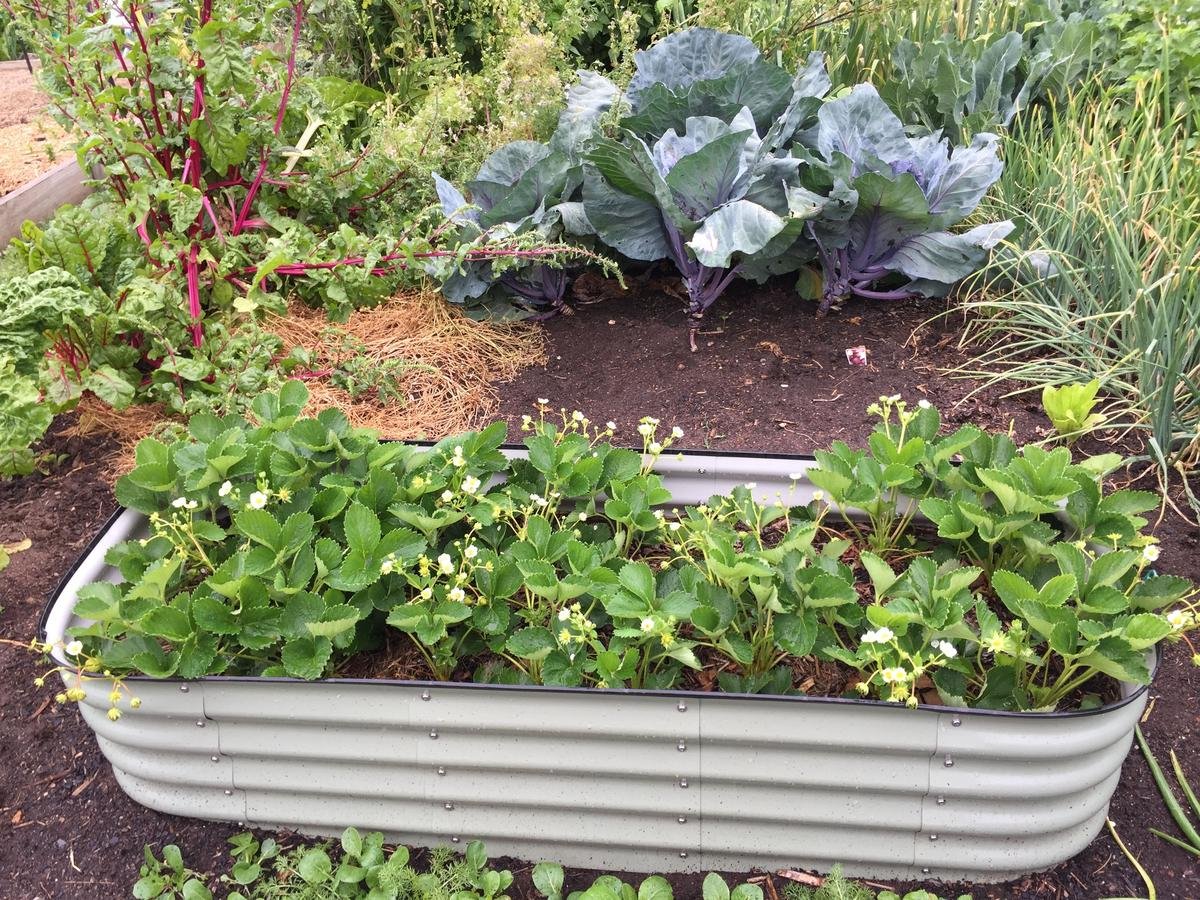
Figuring out how much to plant per person is one of the biggest challenges for both new and experienced gardeners. Plant too little, and you will find yourself buying store produce halfway through the summer. Plant too much, and you will be buried under bushels of zucchini and tomatoes that spoil before your family can eat them.
While general garden rules suggest dedicating about 150 to 200 square feet of growing space per person for a full year of fresh produce, the real answer depends on what your household actually eats. By calculating crop yields and understanding your family habits, you can design a garden that produces just the right amount of food without unnecessary waste.
Factors That Influence Crop Numbers
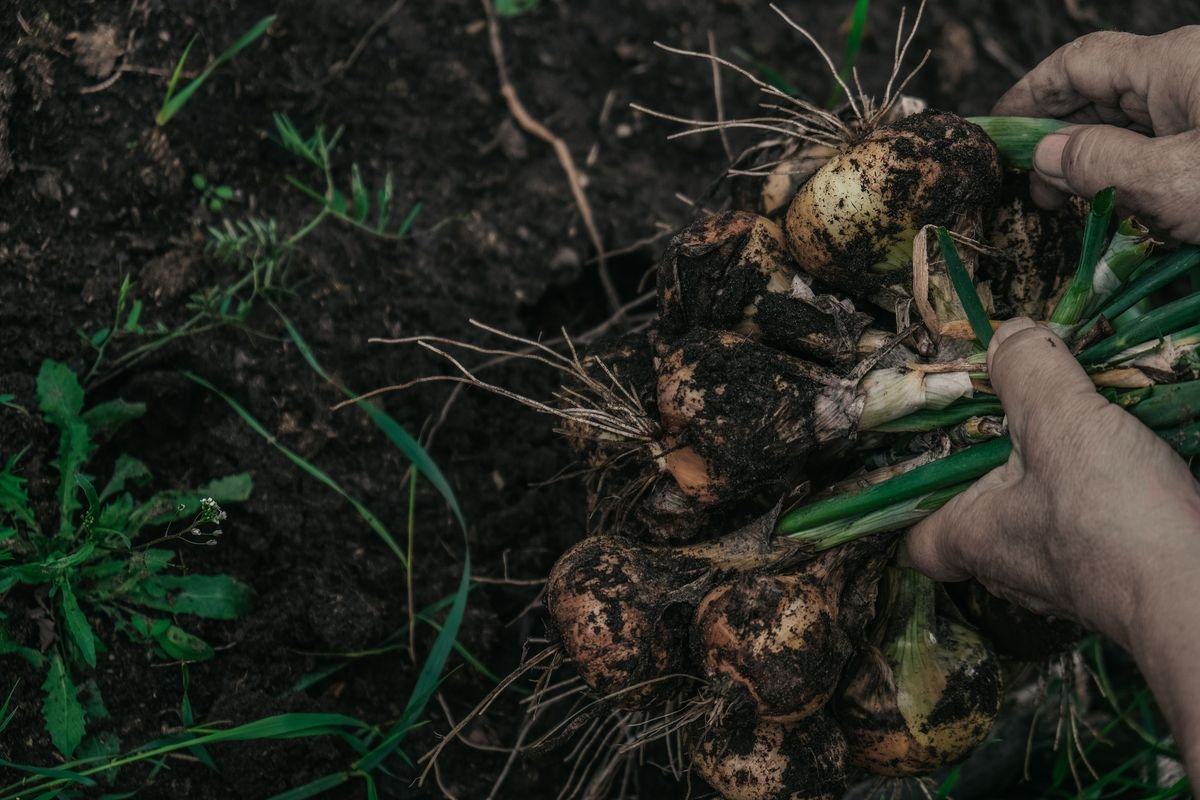
Before you buy seed packets or map out your garden beds, you need to evaluate several key variables that change your harvest goals.
A single number rarely fits every family. A household that eats mostly plant-based meals will require significantly more produce than a household that only serves side salads a few times a week.
Taking time to calculate your specific needs now will save hours of garden labor and prevent wasted harvest later in the season.
Household Eating Habits and Diets
Start by tracking what your family actually eats over the course of a typical week. If nobody in your home enjoys cooked beets or spicy radishes, there is no reason to dedicate valuable garden beds to them.
Vegetarian and vegan households naturally consume a much higher volume of greens, legumes, and root crops. If someone follows a low-carb diet, you will likely want to grow extra summer squash, broccoli, and cauliflower while skipping heavy starch crops like sweet corn.
Consider portion sizes as well. Children eat smaller servings than teenagers and active adults, so adjust your total counts accordingly.
Available Garden Space and Layout
Your physical space determines how many plants you can comfortably support. Squeezing plants too close together reduces airflow, increases disease risk, and often results in smaller total yields.
If you have limited ground space, focus on vertical gardening. Vining crops like pole beans, cucumbers, and small winter squashes can climb trellises rather than sprawling across the ground.
For patio gardens, compact bush varieties grown in sturdy containers can produce impressive amounts of food in tight quarters.
Regional Climate and Growing Seasons
The length of your frost-free growing season impacts your overall planting strategy. Gardeners in warm zones with long summers can plant multiple successions of beans, greens, and squash in a single year.
In cooler northern regions with short seasons, you only have one window to grow warm-weather crops like tomatoes, peppers, and melons. In those areas, you must plant enough all at once to meet your seasonal goals.
Using season-extending tools like cold frames, floating row covers, and hoop houses can help you stretch your growing window by several weeks in both spring and autumn.
Fresh Eating Versus Long Term Preserving
Decide whether your garden is meant strictly for fresh summer dining or if you want to store food for winter consumption.
Growing for food preservation requires substantially more plants. If you plan to can marinara sauce, ferment pickles, freeze blanched green beans, or store winter squash in a root cellar, you should double or triple the standard per-person plant counts.
Plan your harvest timing carefully if preserving is your goal. You will want crops like sauce tomatoes to ripen in large batches rather than trickling in slowly over several months.
Vegetable Planting Guide Per Person
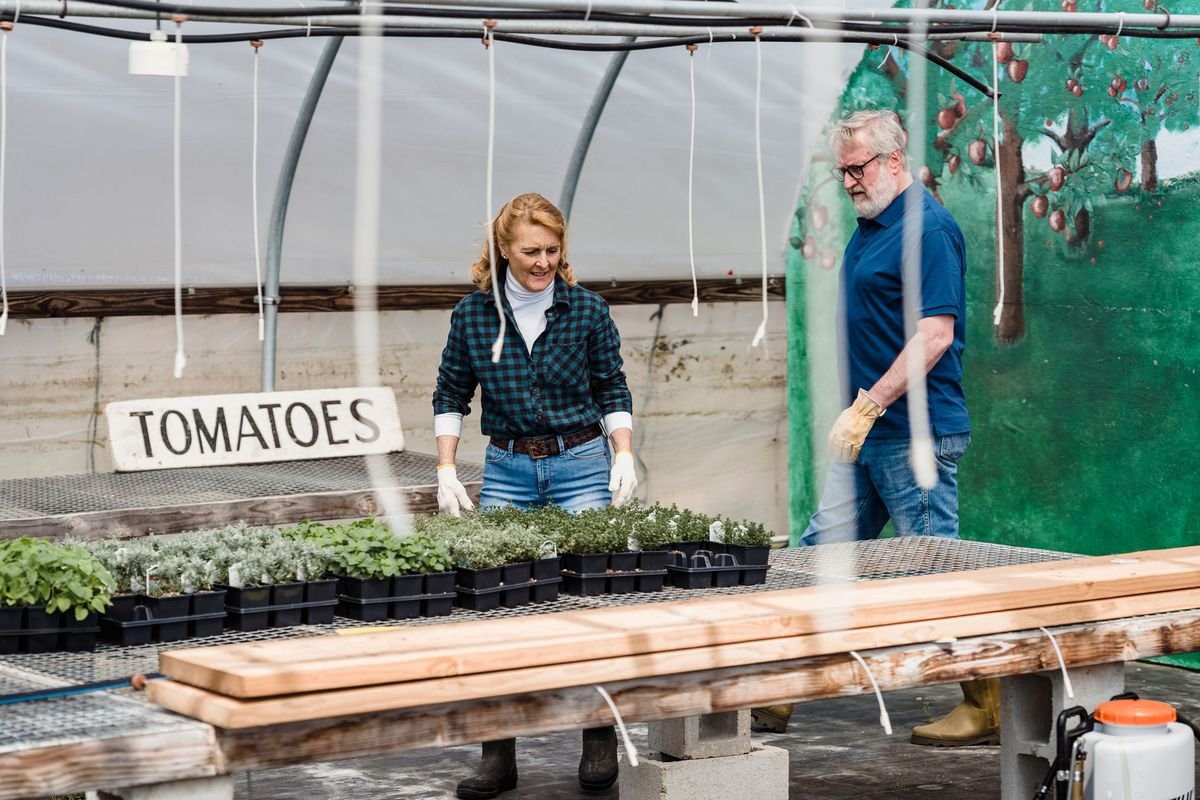
To help you organize your seed orders, here are realistic recommendations for common backyard crops. These estimates assume typical harvest yields under average growing conditions for fresh seasonal eating.
Leafy Greens and Salad Crops
Leafy greens provide continuous harvests if you pick outer leaves using the cut-and-come-again method.
For loose-leaf lettuce, plant 4 to 6 plants per person. If you prefer heading lettuce, sow 8 to 10 plants per person across staggered intervals so they do not mature simultaneously.
For spinach and arugula, aim for 6 to 10 plants per person. Kale and Swiss chard are exceptionally productive, requiring only 2 to 4 sturdy plants per person to provide fresh greens all season long.
Root Vegetables and Tubers
Root vegetables yield one harvest per plant, meaning you must sow generous numbers to feed your household.
For fresh eating, plant 25 to 35 carrots per person. If you want carrots stored in cold storage for winter, increase that number to 70 or more.
Radishes mature in under a month, so planting 10 to 15 seeds per person every two weeks will maintain a steady supply. For onions and garlic, plant 15 to 25 sets or cloves per individual. Potatoes yield roughly 5 to 10 pounds per seed piece, so 6 to 10 potato plants per person is usually ideal for summer and fall eating.
Fruiting Vegetables and Nightshades
Fruiting crops produce heavy yields over an extended window when properly supported and watered.
For tomatoes, 2 to 3 indeterminate slicing plants per person will provide an abundance of fresh fruit. If you enjoy cherry tomatoes for snacking and salads, 1 plant per person is often plenty.
Bell peppers and hot peppers are moderately productive, so plan for 2 to 3 plants per person. Summer squash and zucchini are famous for heavy production, meaning 1 to 2 plants per household is frequently enough to keep up with daily meals.
Pods and Legumes
Legumes enrich your soil with nitrogen while producing protein-rich pods throughout the warm months.
Bush beans produce their crop all at once over a two-week period. Plant 10 to 15 bush bean plants per person for a reliable harvest.
Pole beans climb trellises and continue producing until frost. For pole varieties, 4 to 6 plants per person will supply continuous pods for weekly dinners. For shelling peas or snap peas in early spring, sow 15 to 20 plants per person.
Succession Planting for Continuous Harvests
One of the most common gardening mistakes is planting all your seeds on a single weekend in spring. This creates a massive harvest wave followed by weeks of empty garden beds.
Succession planting solves this problem by spreading out your seeding dates. Instead of planting thirty heads of lettuce at once, plant ten heads every two weeks.
This technique works wonders for bush beans, cilantro, radishes, baby carrots, and greens. It keeps your produce fresh and spreads your harvesting labor evenly across the entire growing year.
Smart Ways to Maximize Small Plots
If your plant count exceeds your physical garden square footage, you can use intensive planting techniques to boost productivity.
Intercropping allows you to plant quick-maturing crops like radishes and baby greens beneath slow-growing crops like tomatoes and broccoli. By the time the larger crops cast dense shade, the quick crops are already harvested.
Keep your soil rich with aged compost and balanced organic amendments. Well-fed soil with high organic matter supports closer plant spacing and delivers significantly higher yields per square foot.
Garden Crop Sizing Assessment
Answer 4 quick questions to see your result