
Dieffenbachia is one of the most recognizable and beloved indoor plants in modern homes. With its broad, patterned foliage and remarkable tolerance for dim rooms, it adds a lush tropical feel to almost any living space.
Beneath those striking leaves lies a potent natural defense mechanism. Dieffenbachia contains toxic chemical compounds that can cause burning, swelling, and temporary speech loss when chewed or handled improperly. If you share your home with children or curious pets, understanding how this plant functions and how to react in an emergency is essential.
Understanding Dieffenbachia Toxicity
Dieffenbachia belongs to the Araceae family, which is known for producing specialized cellular defenses. While it is often labeled simply as a poisonous houseplant, the way it causes harm is unique compared to ordinary toxic flora.
The plant contains insoluble calcium oxalate crystals alongside specialized proteolytic enzymes. When the foliage is crushed or chewed, these substances work together to trigger an immediate and painful inflammatory response.
Ingestion rarely causes fatal outcomes in healthy adult humans, but the physical distress it produces can be severe. Understanding the exact nature of this toxicity helps plant owners take reasonable precautions without giving in to unnecessary panic.
Why the Plant Earned the Name Dumb Cane
Dieffenbachia has carried the common moniker dumb cane for generations across various cultures.
This title originated from the temporary inability to speak that occurs after someone bites into the raw stems or foliage. The chemical irritation causes rapid swelling in the tongue, lips, and vocal cords, leaving the victim physically unable to articulate words for hours or days.
Historically, this property was documented in early botanical records and sadly used as a tool of punishment in colonial plantation systems. Today, the name serves as a stark reminder of the plant’s potent physiological impact.
The Science Behind Insoluble Calcium Oxalates
The primary cause of discomfort from Dieffenbachia is the presence of microscopic calcium oxalate crystals known as raphides.
Unlike soluble oxalates that absorb into the bloodstream and damage internal organs such as the kidneys, insoluble raphides act like microscopic physical weapons. They are shaped like slender double-ended needles bundled tightly inside specialized plant cells called idioblasts.
When a person or animal applies pressure by biting a leaf, these idioblasts rupture under hydrostatic pressure. The microscopic needles shoot out rapidly into the soft mucosal tissues of the mouth, tongue, and throat.
In addition to the physical puncture wounds, the plant releases proteolytic enzymes that break down proteins and stimulate the rapid release of histamines, compounding the swelling and pain.
How Raphide Crystals Cause Immediate Pain
The sensation caused by Dieffenbachia sap is almost instantaneous. Unlike some poisons that take hours to show biological symptoms, raphide crystals inflict mechanical damage the exact second moisture and pressure are introduced.
Saliva in the mouth causes the specialized cells to swell and forcefully eject thousands of crystal darts directly into the gums, cheeks, and palate.
This creates a sharp, stinging sensation similar to chewing on fiberglass shards. The body immediately responds with an acute inflammatory cascade, sending fluid and white blood cells to the area, which causes rapid tissue swelling.
Common Symptoms of Ingestion in Humans
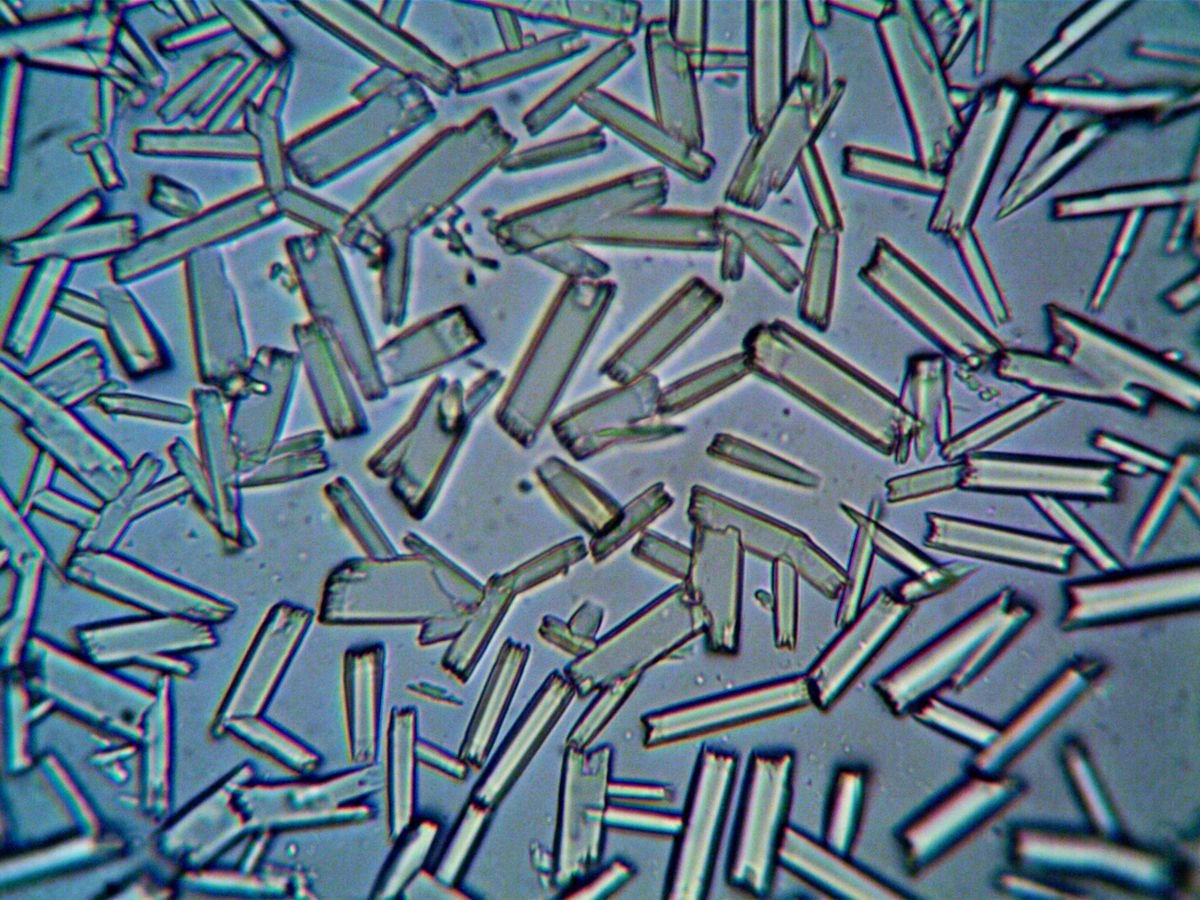
When a human chews or swallows parts of a Dieffenbachia plant, symptoms usually present within seconds to minutes. The severity of the reaction depends largely on how much plant tissue was chewed and whether it was swallowed.
Typical clinical signs include:
- Intense burning and stinging sensations on the lips, tongue, and oral cavity
- Noticeable swelling of the lips, tongue, and soft palate
- Excessive salivation and drooling due to oral irritation
- Difficulty swallowing or a persistent sensation of a lump in the throat
- Hoarseness, muffled speech, or total temporary loss of voice
- Nausea, stomach cramps, and vomiting if large pieces are swallowed
In rare circumstances involving extensive airway swelling, breathing can become compromised, requiring immediate emergency medical evaluation.
Skin Irritation and Allergic Reactions
Ingesting the foliage is not the only way Dieffenbachia causes problems. The milky sap contained within the stems and leaf petioles can cause notable skin reactions upon direct contact.
When sap touches bare skin, the microscopic oxalate needles can penetrate the outer epidermal layer, introducing irritating plant proteins directly beneath the skin barrier.
This often leads to contact dermatitis characterized by redness, itching, mild burning, and occasionally small localized blisters or hives. Individuals with sensitive skin or existing eczema are particularly susceptible to severe localized rashes.
What to Do If Ingested by a Person
If you discover that a child or adult has taken a bite of a Dieffenbachia leaf, it is vital to remain calm and follow structured first aid procedures.
First, remove any remaining plant material from the mouth immediately. Use a wet washcloth to gently wipe out the oral cavity to clear away residual sap and crushed foliage.
Have the person rinse their mouth thoroughly with cold water without swallowing it. Cold liquids help soothe the stinging sensation.
Offering small sips of cold milk, ice chips, or a spoonful of plain yogurt can help coat the irritated mucous membranes and provide temporary comfort.
Contact your regional Poison Control Center at 1-800-222-1222 for personalized guidance. If the individual exhibits stridor, severe wheezing, blue-tinted lips, or severe difficulty breathing, call 911 immediately.
Immediate First Aid for Eye Contact
Getting Dieffenbachia sap in the eyes is considered a medical urgency because the sharp raphide crystals can scratch the cornea and cause severe ocular inflammation.
If sap is transferred to the eyes via unwashed fingers or accidental splashing, follow these steps immediately:
- Flush the affected eye with lukewarm, clean tap water or saline solution for at least fifteen to twenty minutes continuously.
- Keep the eyelids held open during irrigation to ensure the liquid reaches all surfaces beneath the lids.
- Do not rub the eyes, as rubbing drives the sharp crystal needles deeper into the corneal tissue.
- Remove contact lenses immediately if they are present.
- Seek prompt medical evaluation from an ophthalmologist or urgent care facility to check for corneal abrasions.
Handling Skin Contact and Sap Burns
When pruning, propagating, or repotting your Dieffenbachia, sap exposure on your hands or forearms can occur easily.
As soon as you realize skin contact has happened, wash the area thoroughly with warm water and a degreasing dish soap or gentle bar soap. Wash for at least two full minutes to dissolve and lift away the sap residue.
Avoid scratching or aggressively scrubbing the skin, which can push the microscopic crystals deeper into the pores.
Applying a cold compress or an over the counter hydrocortisone cream can help calm localized redness and itching. Aloe vera gel can also offer cooling relief for mild burning.
Is Dieffenbachia Dangerous to Dogs
Dogs, especially energetic puppies and curious foragers, often explore their surroundings using their mouths. Chewing on a Dieffenbachia plant can lead to sudden distress for a canine companion.
Because the mechanical pain is immediate, most dogs stop chewing after the first bite. However, even a small taste can cause profuse drooling, pawing at the mouth, head shaking, and vocal whining.
In some dogs, swallowing plant parts causes gastritis, leading to vomiting, decreased appetite, and lethargy. While systemic poisoning is uncommon, severe pharyngeal swelling can occasionally lead to airway restriction, which warrants prompt veterinary attention.
Signs of Dieffenbachia Poisoning in Cats
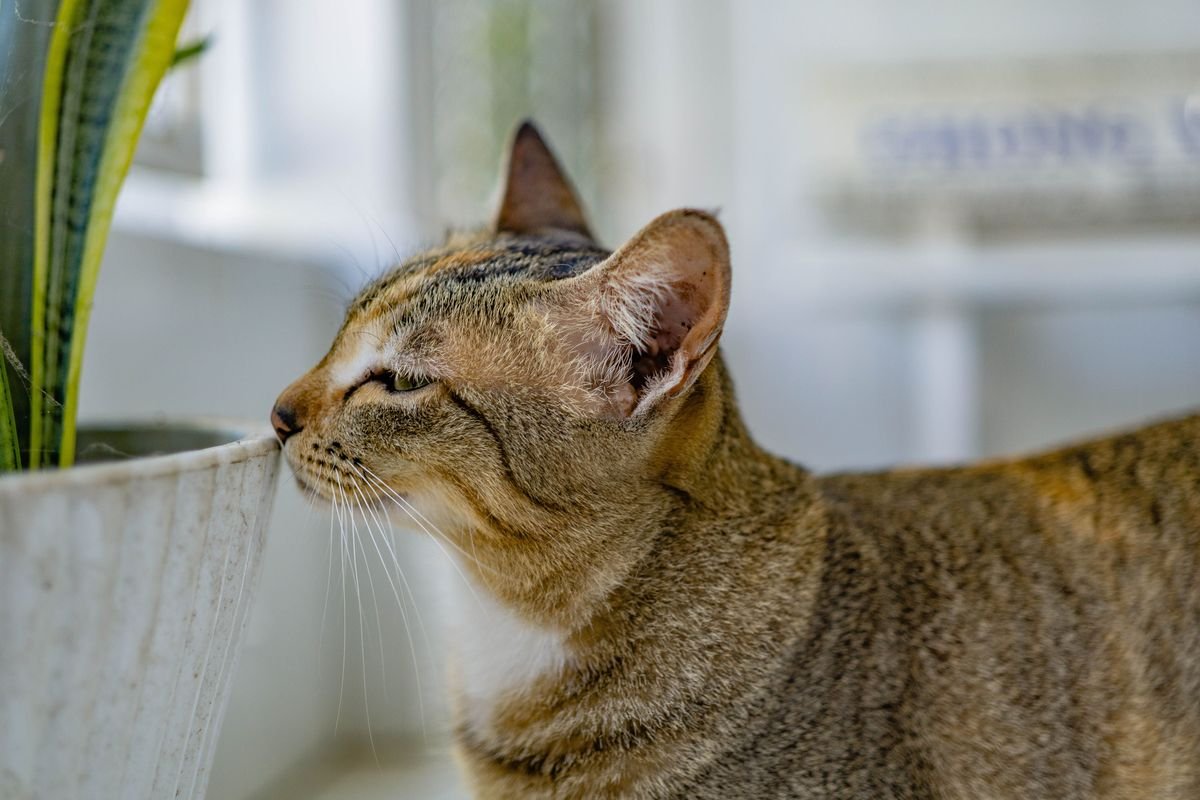
Cats are particularly sensitive to household toxins and possess a natural instinct to chew on fibrous green leaves.
When a cat bites into a Dieffenbachia stem or leaf, the reaction is swift and visible. The feline may violently shake its head, foam at the mouth, and retreat into hiding due to the sudden burning sensation.
Common clinical signs in felines include:
- Continuous hyper-salivation and thick foaming around the mouth
- Pawing at the muzzle and face in an attempt to dislodge pain
- Refusal to eat dry food or drink water due to severe oral pain
- Vomiting containing visible green plant fibers and clear foam
- Swelling of the tongue and inner cheeks
- Lethargy and vocal distress
Effects on Pet Birds and Small Animals
Pet birds, such as parakeets, cockatiels, and parrots, are curious chewers that often investigate indoor plants during free flight time.
Because birds have small body masses and delicate respiratory systems, exposure to Dieffenbachia poses significant risks. The sharp raphides can cause severe swelling of the tongue, crop, and esophagus, preventing the bird from eating or breathing normally.
Small mammals like rabbits, guinea pigs, and ferrets are equally vulnerable. Ingestion can quickly lead to gastrointestinal stasis or oral ulcerations, making it essential to keep all Dieffenbachia specimens completely out of rooms where small pets roam.
Why Pets Are Attracted to Indoor Foliage
Many pet owners wonder why an animal would chew on an indoor plant in the first place, especially carnivores like cats.
Felines in the wild periodically consume fibrous grasses to aid digestion and help expel hairballs. When confined indoors without access to natural grass, they often target whatever greenery is available on tables and floor stands.
Dogs frequently chew on plants out of boredom, teething discomfort, or simple curiosity. Understanding these natural drives allows owners to satisfy their pets’ instinctual needs through safe alternatives rather than leaving toxic houseplants within easy reach.
Emergency Veterinary Steps for Ingestion
If you suspect your dog or cat has chewed on a Dieffenbachia, taking quick, methodical steps will minimize discomfort and complications.
First, gently clear any leftover leaf fragments from your pet’s mouth if it is safe to do so without being bitten.
Offer a small bowl of cold water, low sodium broth, or a dab of plain yogurt or milk to help rinse and soothe the oral tissues. The calcium in dairy products can help bind to free oxalates, providing mild symptomatic relief.
Do not induce vomiting at home unless specifically directed by a veterinarian, as bringing the sharp crystals back up through an already inflamed esophagus can cause further irritation.
Call your primary veterinary clinic or an animal poison hotline such as the ASPCA Animal Poison Control Center at (888) 426-4435 for professional evaluation.
Are Certain Dieffenbachia Varieties More Toxic
The genus Dieffenbachia includes dozens of popular cultivars, including Dieffenbachia seguine, Camille, Tropic Snow, and Compacta.
While leaf color patterns, size, and growth habits vary widely across cultivars, all varieties contain calcium oxalate raphide crystals and associated enzymes. No variety of Dieffenbachia is non toxic.
Larger, more mature specimens tend to contain denser concentrations of raphides within their thick main stems and older foliage compared to juvenile sprouts. However, even the smallest leaf on a miniature hybrid can cause painful oral swelling.
Safe Plant Handling and Pruning Tips
You do not necessarily have to get rid of your Dieffenbachia if you love its aesthetic qualities, provided you practice disciplined handling routines.
Whenever you prune dead foliage, propagate stem cuttings, or repot the plant, always wear protective rubber or nitrile gloves.
Consider wearing protective safety glasses during heavy pruning to prevent sap droplets from accidentally splashing toward your face.
Use dedicated shears or scissors for your plants, and wash the blades thoroughly with warm soapy water immediately after use. Always wash your hands and arms with soap after finishing plant maintenance, even if you wore gloves throughout the process.
Non Toxic Alternatives for Pet Owners
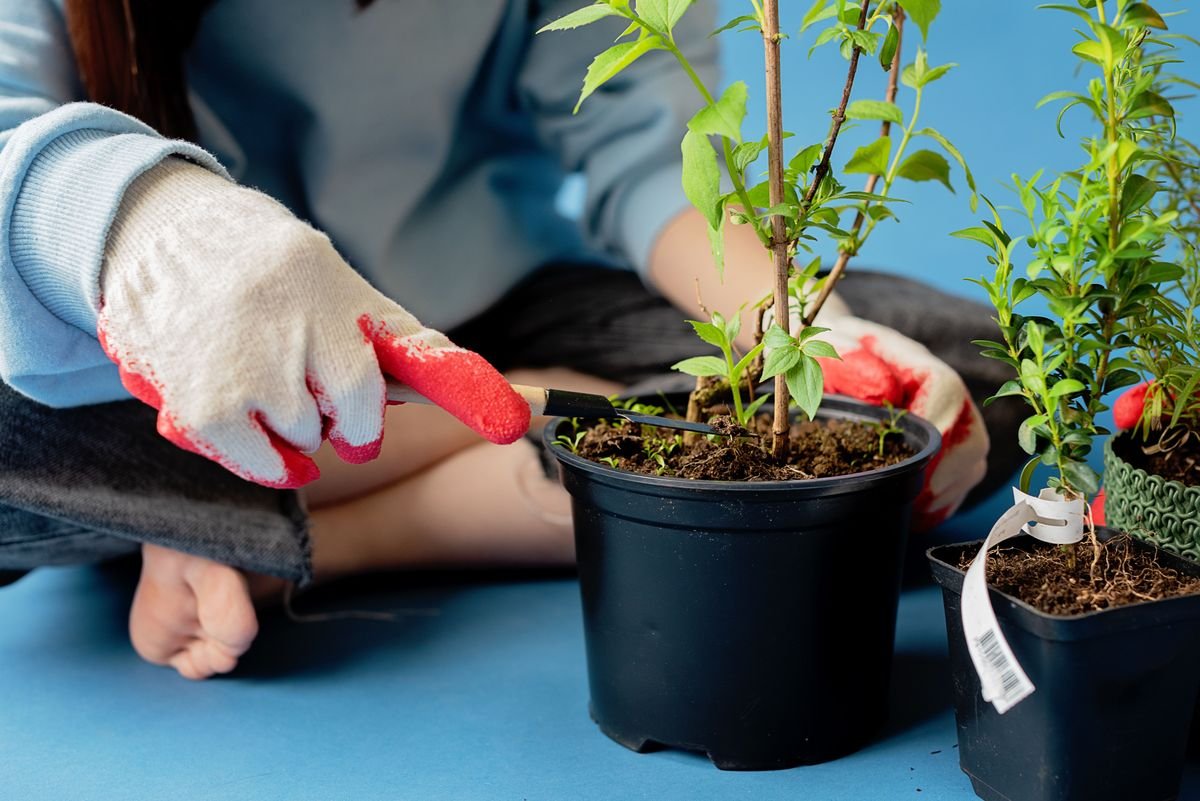
If you prefer to eliminate the risk entirely, numerous gorgeous houseplants deliver lush tropical aesthetics without containing harmful calcium oxalates.
Consider replacing your Dieffenbachia with one of these completely pet safe selections:
- Calathea and Maranta (Prayer Plants): Renowned for intricate, colorful leaf patterns that rival any dumb cane variety.
- Cast Iron Plant (Aspidistra elatior): Highly tolerant of deep shade and neglect, perfect for low light corners.
- Spider Plant (Chlorophytum comosum): Fast growing, air purifying, and completely non toxic to cats and dogs.
- Boston Fern (Nephrolepis exaltata): Adds dramatic cascading green textures without any toxic chemical defenses.
- Peperomia varieties: Compact foliage plants that come in diverse shapes, textures, and variegated patterns.
Assess Your Dieffenbachia Household Risk Level
Answer 4 quick questions to see your result