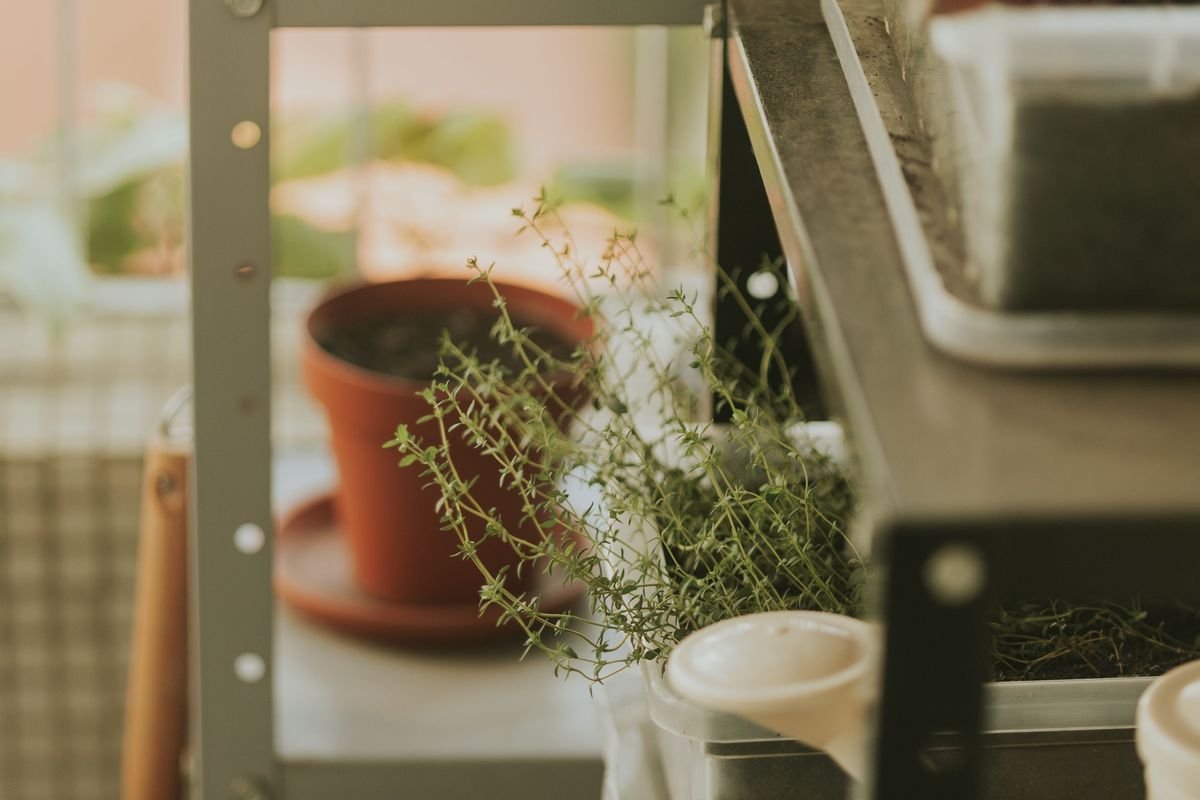
Living in a compact apartment does not mean you have to give up on growing your own fresh produce. While having a sprawling backyard garden is lovely, you can produce a surprising amount of fresh food right from your living room, kitchen, or balcony.
All it takes is a bit of creativity, the right containers, and a solid understanding of what indoor plants need to thrive. With a few simple strategies, you can turn sunny corners and empty wall space into a vibrant, edible indoor oasis.
Why Apartment Food Gardening Is Worth It
Growing food inside your home offers benefits that go far beyond saving a few dollars at the grocery store. Freshly picked herbs and greens have significantly more flavor and nutritional value than produce that has spent days in transit.
Indoor plants also purify your indoor air and provide a calming, rewarding daily routine. Tending to small green seedlings after a busy workday is one of the best ways to unwind in a city environment.
Starting a Windowsill Garden
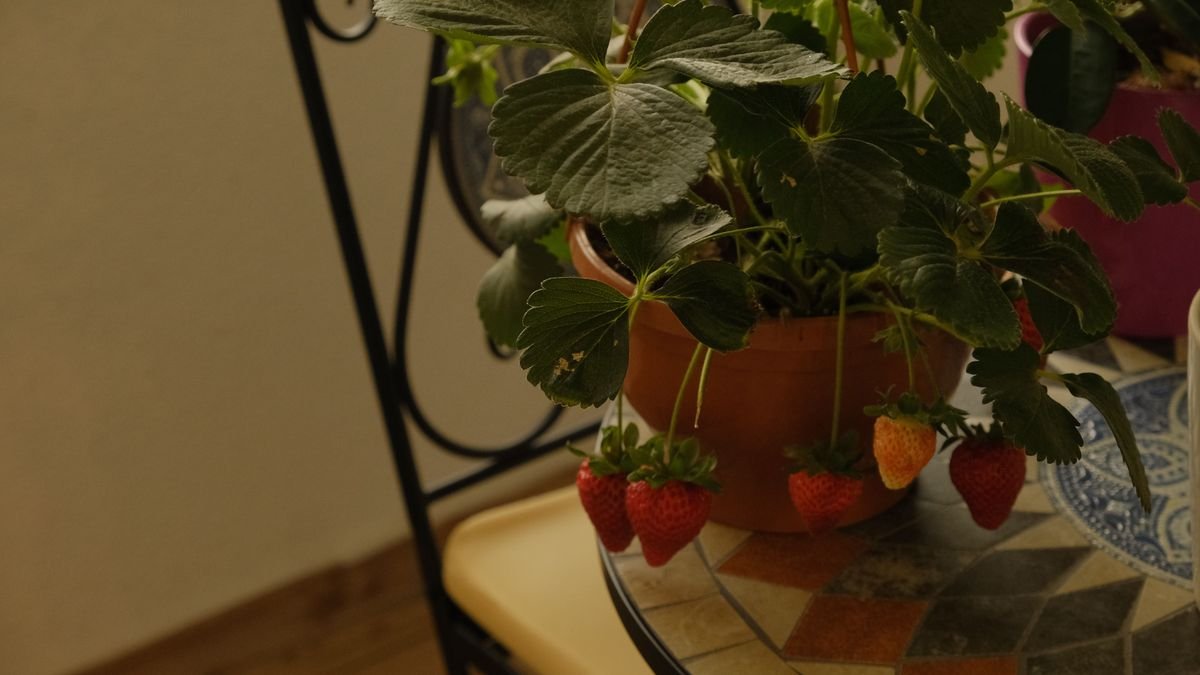
A windowsill garden is the easiest entry point for any urban gardener. Windowsills offer direct access to natural daylight without taking up valuable floor space in your home.
Even narrow sills can support a line of small pots filled with fresh culinary herbs or microgreens. If your sill is too narrow, you can easily widen it by placing a slim console table or floating shelf directly beneath the window frame.
Choosing the Best Window
Not all windows provide the same quality of light. South-facing windows are the gold standard for indoor food production because they receive bright, direct light for most of the day.
East-facing windows offer gentle morning sun, which works well for delicate leafy greens like spinach and loose-leaf lettuce. West-facing windows provide intense afternoon heat, while north-facing windows rarely offer enough natural light for edible crops without supplemental help.
Essential Supplies for Sills
To build a successful windowsill garden, you only need a handful of basic tools and materials.
- Drainage-ready pots or long window planter boxes
- Deep drip trays to protect your wooden sills and flooring
- A lightweight, nutrient-rich potting mix
- A small, narrow-spout indoor watering can
- High quality seeds or starter nursery plants
Exploring Vertical Garden Systems
When floor space is limited, the only direction left to grow is up. Vertical gardening allows you to stack your harvest along walls, doors, or room dividers without cluttering your walkways.
By taking advantage of vertical real estate, you can grow dozens of individual plants in a footprint that takes up less than two square feet of floor space.
Wall Mounted Planters and Trellises
Wall pockets made of breathable felt or modular plastic planters can turn an empty indoor wall into a lush green tapestry. These systems are ideal for shallow-rooted plants like herbs, strawberries, and cut-and-come-again lettuces.
If you want to grow climbing plants like peas or miniature beans, install a simple wooden or wire trellis against a bright wall. Always ensure there is a small gap between the planter and your drywall to prevent moisture buildup.
Hanging Baskets and Tiered Stands
Hanging planters suspended from ceiling hooks are perfect for trailing crops like cherry tomatoes and strawberries. They keep plants up in the air where airflow is continuous and sunlight is plentiful.
Tiered plant stands and ladder shelves are another great option. They allow you to arrange pots at different heights, ensuring that taller plants do not cast shade over smaller ones.
Managing Light in Small Spaces
Light is the single most important factor when growing edible plants indoors. Unlike decorative foliage plants that tolerate dim corners, edible crops require substantial energy to produce leaves, flowers, and fruit.
Most fruiting vegetables need at least six to eight hours of direct light daily, while leafy greens can get by with four to five hours.
Maximizing Natural Sun
Make the most of the sunlight your apartment already receives by keeping your window glass spotless. Dust and grime on window panes can block up to twenty percent of incoming sunlight.
You can also position mirrors or white surfaces across from sunny windows to reflect light back onto your plants. Regularly rotating your pots by a quarter turn every few days prevents plants from leaning and growing lopsided.
Using Supplemental Grow Lights
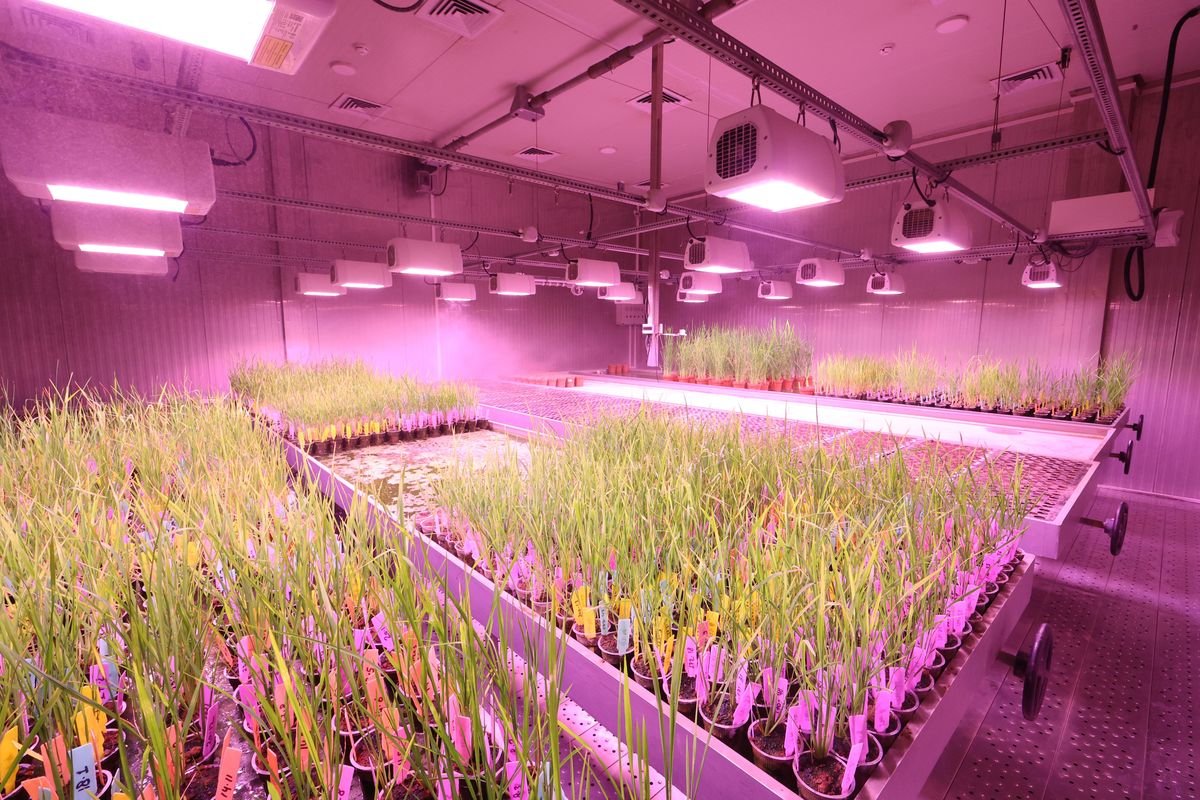
If your apartment lacks bright natural exposure, modern LED grow lights offer an affordable and highly effective solution. Full-spectrum LED bulbs fit into standard lamp fixtures and consume very little electricity.
Place grow lights roughly six to twelve inches above your plants and keep them running on a timer for twelve to fourteen hours a day. This consistent light cycle guarantees strong, compact growth without leggy stems.
Mastering Watering in Containers
Water management in an apartment requires a delicate balance. Indoor pots dry out differently than garden beds because indoor airflow and humidity levels vary greatly between seasons.
Always check the moisture level of the potting mix with your fingertip before adding water. If the top inch feels dry, water thoroughly until you see excess liquid draining into the saucer below. Always empty drip trays after thirty minutes to prevent root rot.
Selecting the Best Indoor Soil Mix
Never use heavy garden soil from outside in your apartment containers. Outdoor dirt compacts easily in pots, drains poorly, and often harbors unwanted pests or fungus.
Instead, choose a high quality potting soil designed specifically for indoor container gardening. A good blend contains peat moss or coconut coir for moisture retention, perlite for aeration, and organic compost or worm castings to feed your plants over time.
Top Edible Crops for Apartments
Selecting the right varieties is the secret to an abundant harvest in a small space. Focus on compact, fast-growing plants that give you multiple harvests rather than crops that take months to produce a single yield.
High-turnover plants give you the most culinary value per square inch of potting space.
Easy Fresh Herbs
Culinary herbs are the undisputed champions of indoor gardening. Basil, mint, chives, parsley, and cilantro grow quickly and can be harvested continuously throughout the season.
Keep woody Mediterranean herbs like rosemary and thyme in your sunniest window, as they require sharp drainage and plenty of warmth to maintain their aromatic oils.
Fast Growing Leafy Greens
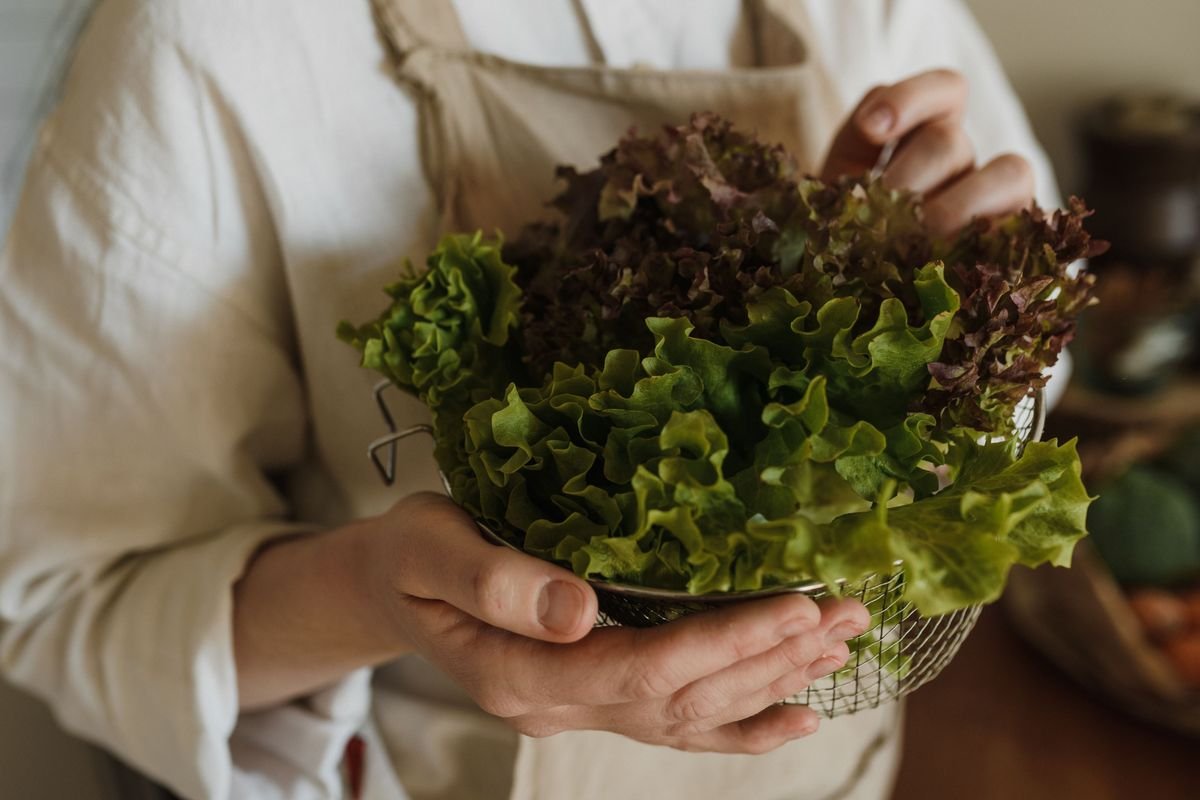
Leafy greens produce some of the highest yields indoors. Loose-leaf lettuce, baby kale, arugula, and Swiss chard can be harvested using the cut-and-come-again method.
Simply snip the outer leaves for your salads, and the center of the plant will continue generating new growth for weeks. Microgreens are another fantastic choice, going from seed to harvest in as little as ten to fourteen days.
Compact Root Vegetables
While large root crops like standard potatoes require deep garden beds, several smaller root vegetables thrive in containers. Radishes mature in less than a month and need only four to six inches of soil depth.
Green onions are another nearly foolproof option. You can even regrow store-bought scallions by placing their white root bases directly into a pot of moist soil.
Simple Steps to Start Today
Starting an indoor food garden does not require an all-or-nothing commitment. Begin with a single pot of your favorite herb or a shallow tray of salad greens on your brightest windowsill.
As you become comfortable with watering routines and lighting adjustments, you can gradually expand your collection into vertical planters and tiered stands. Within just a few weeks, you will enjoy the satisfaction of harvesting homegrown food straight from your apartment.
What Is Your Apartment Gardening Potential?
Answer 4 quick questions to see your result