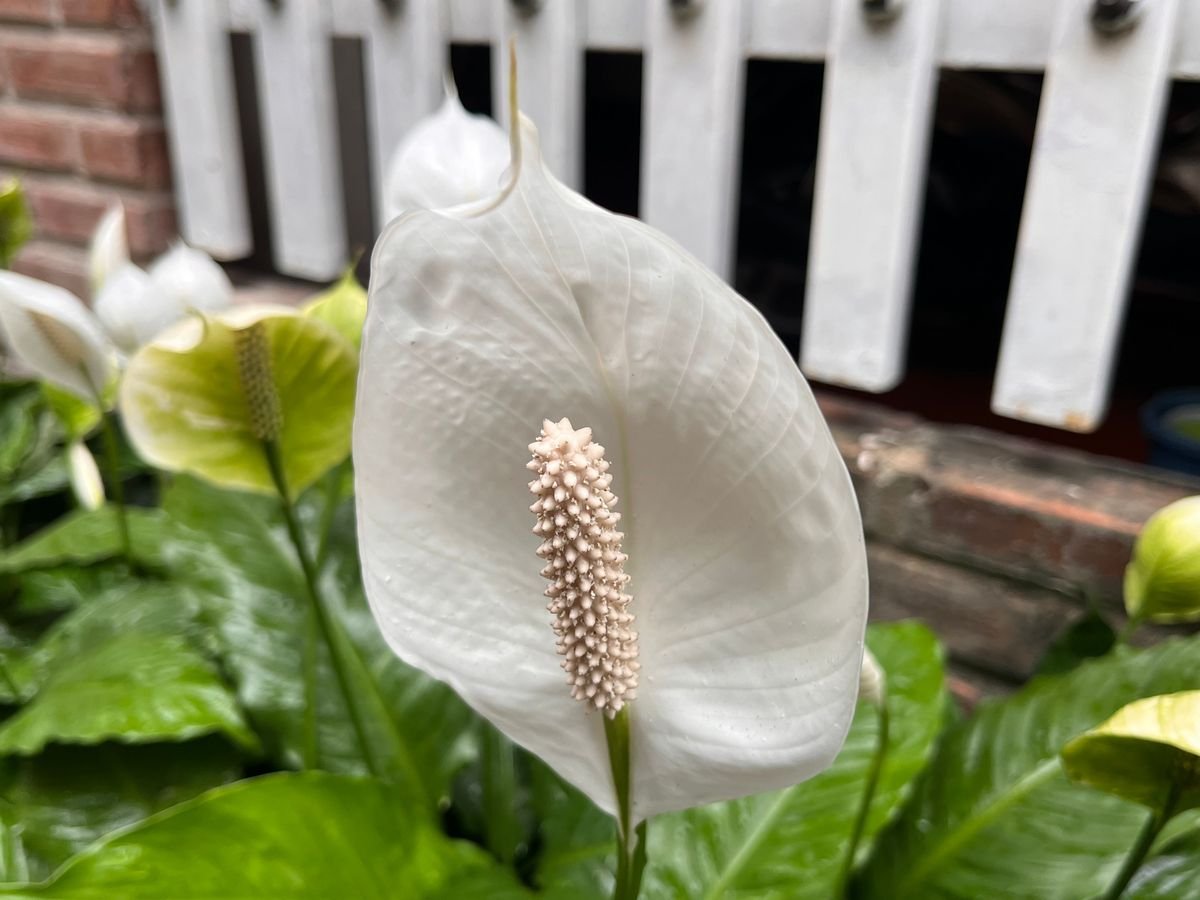
Peace lilies are among the most recognizable indoor houseplants around the world, celebrated for their deep green foliage and elegant white blooms. Because they are so common in living rooms and office spaces, many plant owners assume these tropical wonders can only survive inside four walls.
Under the right outdoor conditions, peace lilies can thrive and grow significantly larger than their indoor counterparts. Moving your plant outside allows it to absorb natural humidity, enjoy gentle breezes, and produce lush foliage, provided you meet its specific shade, soil, and moisture needs.
Understanding the Natural Origins of Peace Lilies
Peace lilies belong to the genus Spathiphyllum and originate in the tropical rainforests of Central and South America as well as parts of Southeastern Asia. In their native habitats, they grow beneath dense forest canopies where direct sunlight rarely reaches the ground.
Because the jungle floor is warm, humid, and constantly shaded, these plants evolved to process gentle, dappled light and absorb nutrients from rich, decaying organic matter.
When you move a peace lily outdoors, your primary goal is to replicate this warm, shaded forest floor environment as closely as possible.
Benefits of Moving Peace Lilies Outdoors
Keeping your peace lily outdoors during warm seasons offers several distinct advantages for plant development. The natural airflow outdoors strengthens plant stems and reduces stagnant moisture around the base of the plant.
Higher ambient humidity levels outside encourage larger leaf growth and vibrant, glossy green foliage that is often difficult to achieve in dry, air-conditioned indoor rooms.
Outdoor peace lilies also tend to bloom more reliably. The natural shift in outdoor temperatures between day and night encourages the plant to set flowers, resulting in magnificent white spathes throughout the spring and summer.
Determining Your Climate and Hardiness Zone
Peace lilies are true tropical perennials that cannot tolerate freezing temperatures. They grow year-round in the ground only in USDA hardiness zones 10, 11, and warmer parts of zone 9.
In these warm regions, gardeners can plant peace lilies directly in landscape beds under large shade trees or against north-facing walls.
If you live in USDA zones 3 through 8, you can still grow peace lilies outside as seasonal patio plants during late spring and summer. Once autumn arrives and night temperatures dip below 55 degrees Fahrenheit (13 degrees Celsius), you must bring potted specimens indoors to keep them safe from thermal shock.
Finding the Perfect Outdoor Light
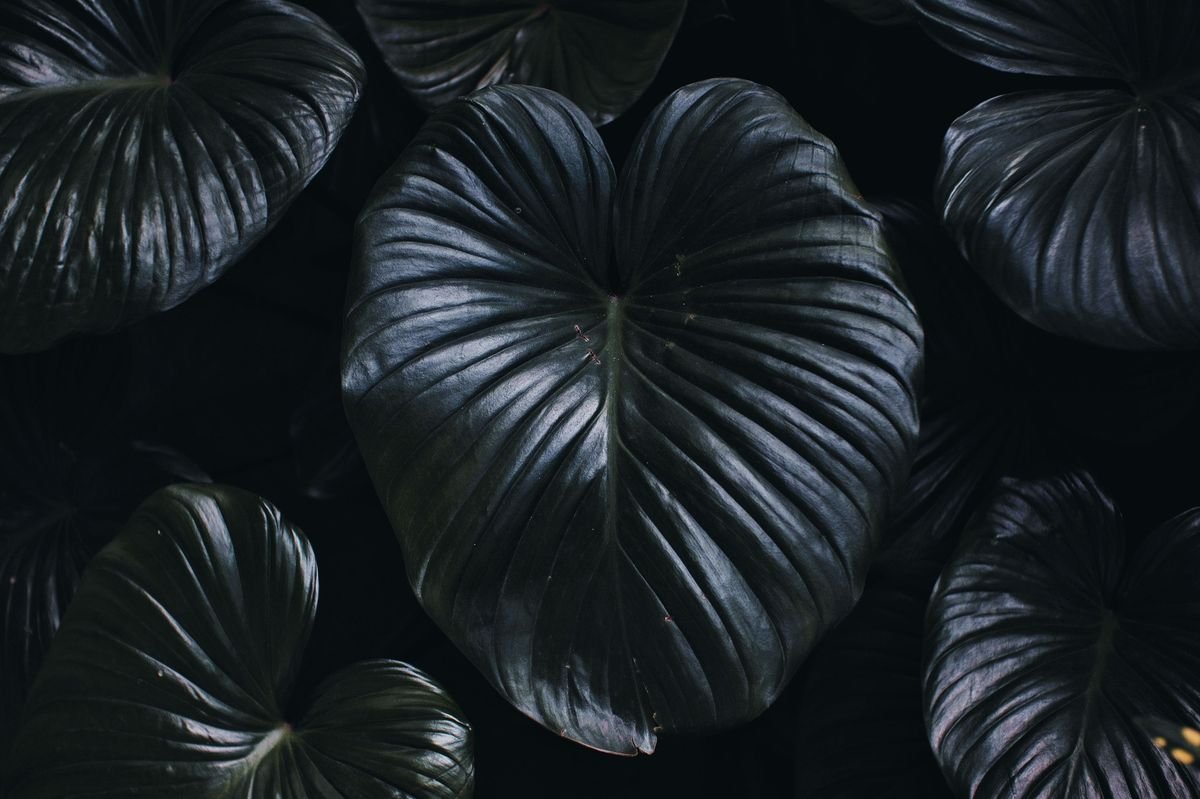
Lighting is the single most critical factor when growing peace lilies outside. Because these plants are native to dense jungle understories, they cannot handle direct sunlight.
The ideal outdoor location provides deep to moderate shade with plenty of bright, indirect ambient light. Porches, covered patios, shade structures, and the north side of your home are prime spots for outdoor peace lilies.
Filtered morning sun for thirty to sixty minutes is generally tolerable, but intense midday or afternoon sun will quickly ruin the foliage.
Preventing Leaf Sunburn and Heat Damage
Direct sun exposure damages the delicate cell structure of peace lily leaves within hours. Sunburned foliage looks bleached, pale yellow, or scorched with crisp, papery brown patches.
To prevent sunburn, look closely at how the sun moves across your yard throughout the day before setting down your plant.
If you notice leaves turning light green or developing faded white patches, move the plant into deeper shade immediately. Sunburned leaves do not recover their original green color, so you will eventually need to prune damaged foliage away.
Preparing the Best Outdoor Soil Mixture
Outdoor soil must strike a delicate balance between moisture retention and rapid drainage. Heavy garden clay holds too much water and suffocates the root system, leading to rapid root rot.
If planting directly in the garden, amend the native soil heavily with organic matter to improve porosity and structure.
- Blend aged compost, coarse perlite, and pine bark fines into the native garden bed.
- Maintain a slightly acidic to neutral soil pH between 5.8 and 6.8 for optimal nutrient uptake.
- For container growing, use a high quality potting mix amended with twenty percent perlite and ten percent orchid bark.
Watering Schedules for Outdoor Plants
Outdoor peace lilies consume water much faster than indoor plants due to outdoor heat, natural air circulation, and active transpiration through their broad leaves.
Instead of watering on a rigid calendar schedule, test the moisture level with your fingers daily during warm summer spells. Water thoroughly whenever the top inch of soil feels dry to the touch.
When watering, saturate the soil completely until moisture flows freely from the drainage holes or sinks deep into the garden bed. Always apply water directly to the soil rather than pouring it over the crown of the plant.
Managing Rainfall and Drainage
Natural rainfall is wonderful for peace lilies because it flushes built up minerals from the soil and provides natural hydration without tap water chemicals. However, persistent heavy rain can create waterlogged soil.
Always verify that outdoor containers have generous drainage holes that allow surplus water to escape rapidly.
If your pots sit on solid ground or saucers, elevate them slightly with pot feet to ensure water drains freely away from the base during extended rainy spells.
Feeding and Fertilizing for Lush Leaves
Peace lilies are moderate feeders that appreciate consistent nutrition during their peak spring and summer growing period. A balanced, water-soluble fertilizer provides the steady nutrients needed for strong roots and deep green leaves.
Dilute a balanced 10-10-10 or 20-20-20 liquid fertilizer to half strength and apply it once every four to six weeks from April through August.
Avoid over-fertilizing your peace lilies. Excessive mineral salts cause brown, crispy leaf tips and can damage tender roots. Never apply synthetic fertilizer to bone-dry soil, and cease all feeding during the late autumn and winter months.
Common Outdoor Garden Pests to Watch
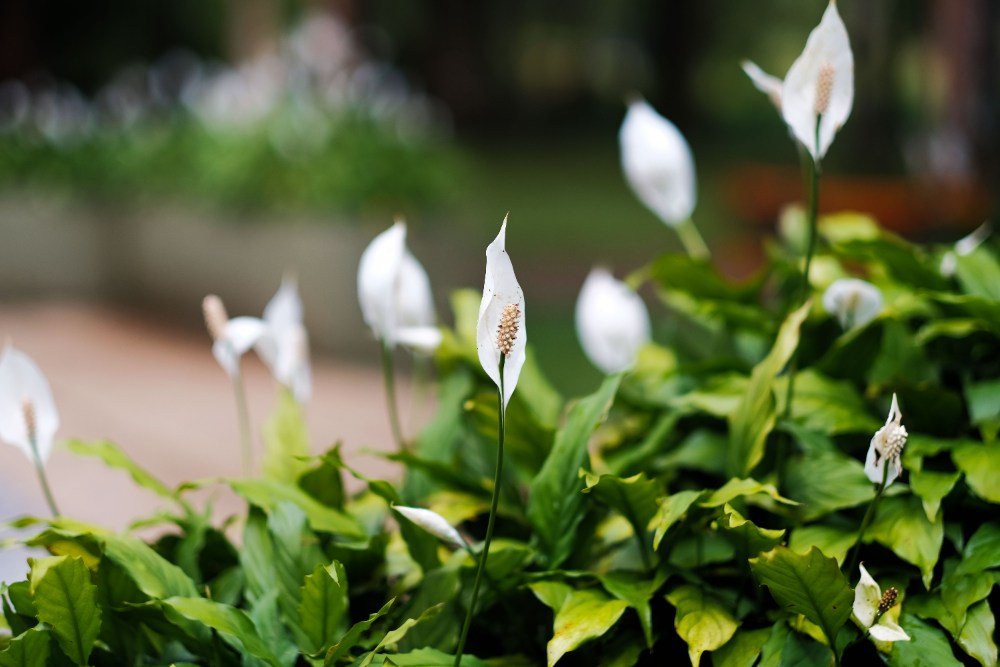
Moving plants outside exposes them to natural garden insects that rarely enter homes. Keeping a close watch on your peace lily allows you to catch minor pest issues before they become full infestations.
Inspect the undersides of leaves and the bases of stems regularly for signs of unwanted visitors.
- Aphids: Small green or black bugs clustered around new tender shoots, causing curled foliage.
- Mealybugs: Cotton-like white fluff hidden in leaf crevices that feeds on plant sap.
- Spider Mites: Tiny arachnids that produce fine webbing beneath dusty, discolored leaves during dry weather.
- Scale Insects: Small, immobile brown bumps attached along leaf midribs and stems.
Preventing Fungal Diseases and Leaf Spot
Warm outdoor humidity combined with poor air circulation can encourage fungal leaf spot diseases such as Phytophthora or Cylindrocladium rot. These infections appear as dark brown or black circular spots with yellow halos on the leaves.
Prevent fungal problems by spacing your outdoor plants far enough apart to encourage healthy air movement.
Water the base of your plants early in the morning so any accidental splashes on foliage dry quickly in the daytime breeze. If fungal spots appear, trim off infected leaves with sanitized shears and apply an organic copper fungicide spray.
Choosing Between Garden Beds and Patio Pots
Deciding whether to plant your peace lily directly in the landscape or keep it in a container depends largely on your regional climate and gardening goals.
Garden beds allow the root system to spread out freely, resulting in impressive clump sizes and dramatic tropical borders in frost-free zones.
Container planting offers unmatched flexibility for most gardeners. Pots let you move the plant around to follow ideal shade patterns, protect it from unexpected windstorms, and bring it indoors before the first autumn freeze.
Acclimating Indoor Peace Lilies to the Outdoors
Never move an indoor peace lily straight into full outdoor conditions in a single day. The sudden change in temperature, light intensity, and wind speed can cause severe shock, resulting in leaf drop or yellowing.
Acclimate your plant gradually over a period of seven to ten days using a process called hardening off.
- Place the plant in complete shade in a sheltered outdoor spot for two to three hours on the first day.
- Gradually increase the outdoor time by two hours each subsequent day while keeping the plant in full shade.
- After one week of progressive exposure, your peace lily is ready to stay in its permanent outdoor summer location full-time.
Protecting Peace Lilies from Winter Cold
Peace lilies possess zero frost tolerance. Their soft, fleshy foliage collapses and turns black as soon as temperatures drop near the freezing mark of 32 degrees Fahrenheit (0 degrees Celsius).
Even temperatures below 50 degrees Fahrenheit (10 degrees Celsius) can stunt growth and cause root stress.
In border zones where occasional light frosts occur, cover in-ground peace lilies with frost blankets or burlap cloth anchored to the ground to trap residual soil heat overnight.
Bringing Peace Lilies Back Inside for Winter
When autumn night temperatures consistently fall below 55 degrees Fahrenheit, it is time to move potted peace lilies indoors for their winter rest.
Before bringing containers inside your home, inspect the foliage thoroughly to ensure you do not bring outdoor pests into your indoor plant collection.
Hose down the foliage with a gentle spray of water, wipe down the leaves, and treat the soil with an organic neem oil drench if necessary. Once inside, place your peace lily in a bright room with indirect light away from heating vents.
Signs Your Outdoor Peace Lily Is Struggling
Peace lilies are expressive plants that visually communicate when their environmental needs are not being met. Learning their body language helps you correct mistakes quickly.
Pay attention to sudden changes in leaf posture, color, and texture throughout the growing season.
- Dramatic Drooping: The plant is severely thirsty or experiencing root rot from waterlogged soil.
- Yellowing Leaves: A natural sign of aging if only on the lowest leaves, but widespread yellowing indicates overwatering or excess sun.
- Crisp Brown Tips: Low atmospheric humidity, salt buildup from hard water, or excessive chemical fertilizer.
- Pale or Faded Foliage: The plant is receiving too much ambient light and needs deeper shade.
Frequently Asked Questions
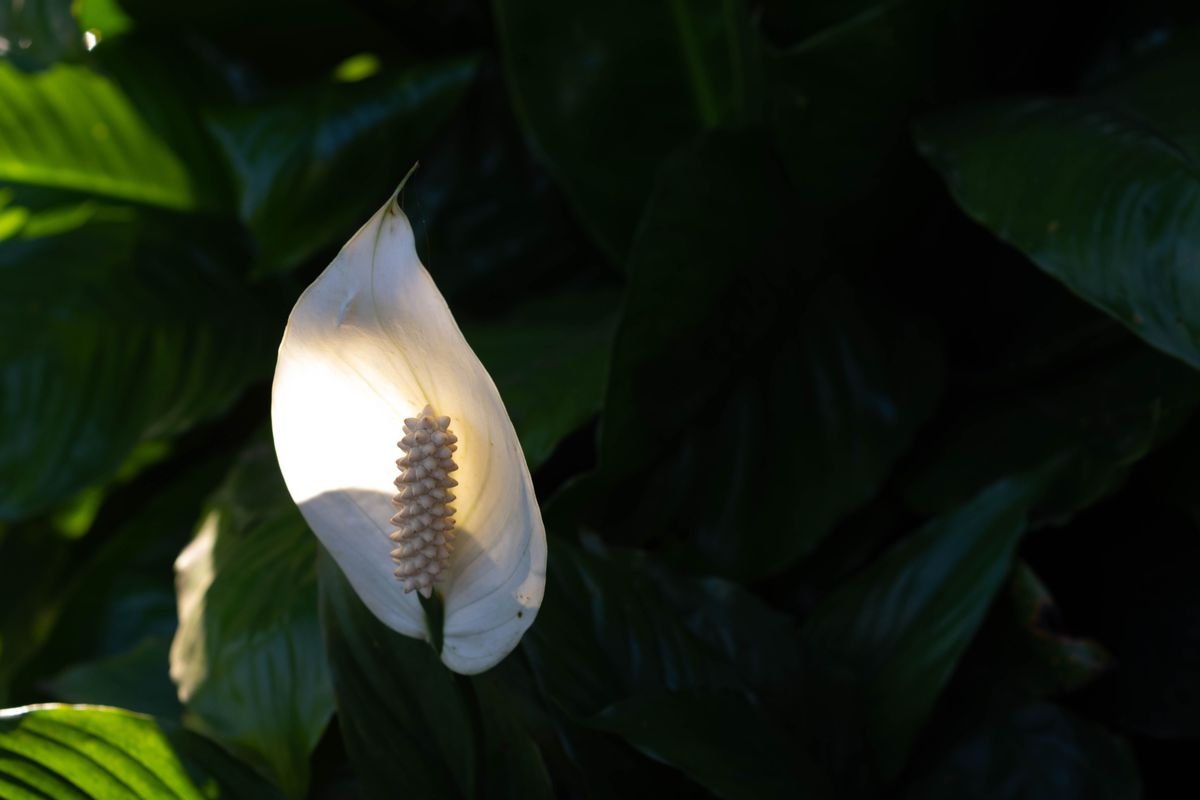
How often should outdoor peace lilies be watered? During peak summer heat, outdoor peace lilies generally need watering every two to four days, depending on container size, air temperature, and wind exposure. Always check the top inch of soil before adding water.
Can peace lilies survive in full shade outdoors? Yes, peace lilies thrive in full outdoor shade. While they require bright indirect ambient light to produce frequent white blooms, deep shade protects their leaves from damaging sun scald.
How long can peace lilies live outdoors? When grown in suitable frost-free climates with proper shade and nutrition, peace lilies can live for ten to twenty years or longer, continually producing new offshoots and expanding their clumps.
Is Your Outdoor Space Ready for Peace Lilies?
Answer 4 quick questions to see your result