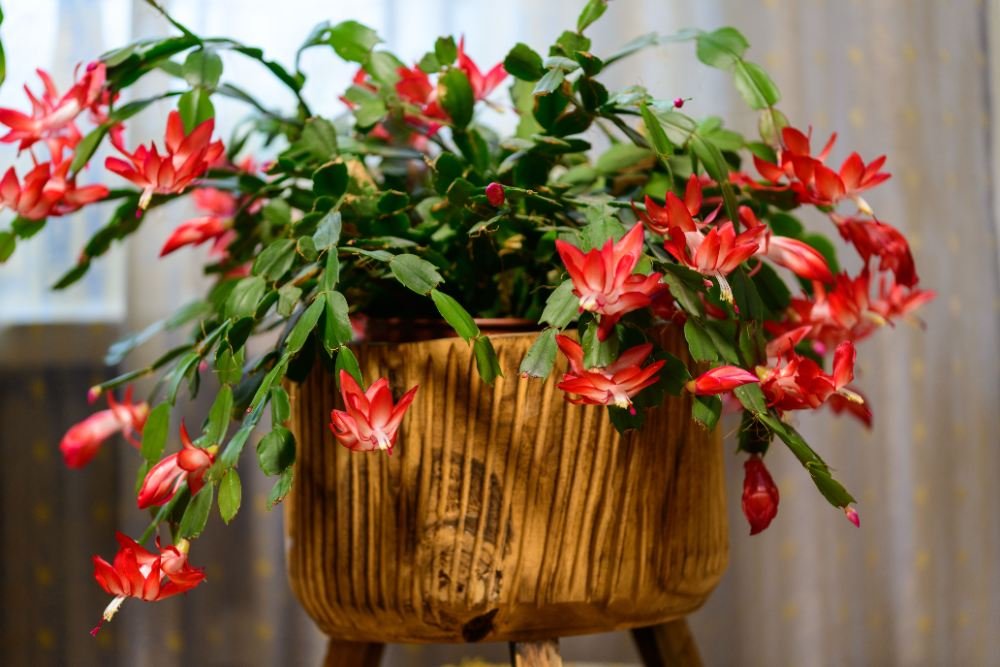
Christmas cacti are beloved around the world for their stunning holiday blooms and flat, glossy stem segments. While many gardeners keep them strictly as indoor houseplants, moving your Christmas cactus outside for the warmer months can give it a massive boost in vitality, growth, and future blossom production.
Taking your plant outdoors requires a solid understanding of its natural environment. Unlike typical desert cacti, Christmas cacti have delicate foliage that cannot handle scorching sunlight or freezing nights. Here is everything you need to know to safely keep your holiday cactus outdoors and help it thrive.
Understanding the Natural Habitat of Christmas Cactus
To understand how a Christmas cactus behaves outdoors, you first need to look at where it originates in nature. The Christmas cactus (Schlumbergera bridgesii) is not a desert plant.
In the wild, these plants are native to the coastal rainforests of southeastern Brazil. They grow as epiphytes, meaning they attach themselves to tree branches and rocky crevices high in the canopy rather than growing in dense ground soil.
Because they grow beneath dense tree branches, wild holiday cacti receive dappled sunlight, high humidity, and frequent showers of rain that drain away rapidly. When you move your potted plant into your yard or onto your patio, your goal is to recreate these warm, sheltered rainforest conditions as closely as possible.
Safe Outdoor Temperatures for Holiday Cacti
Temperature is the single most critical factor when deciding whether your Christmas cactus can spend time outside. These plants love moderate warmth but suffer quickly when exposed to temperature extremes.
As a general rule, the ideal outdoor temperature range for a Christmas cactus is between 65 and 80 degrees Fahrenheit during the day. Nighttime temperatures between 55 and 65 degrees are perfectly fine and can actually help support balanced growth.
Never allow your Christmas cactus to stay outside if temperatures are expected to drop below 50 degrees Fahrenheit. Cold drafts and sudden freezes will damage the tender leaf segments, leading to black spots, wilting, and complete plant collapse. If you live in USDA hardiness zones 9 through 11, you may be able to keep your cactus outdoors for most of the year, but gardeners in cooler zones should only treat outdoor time as a seasonal summer vacation.
Finding the Perfect Outdoor Location
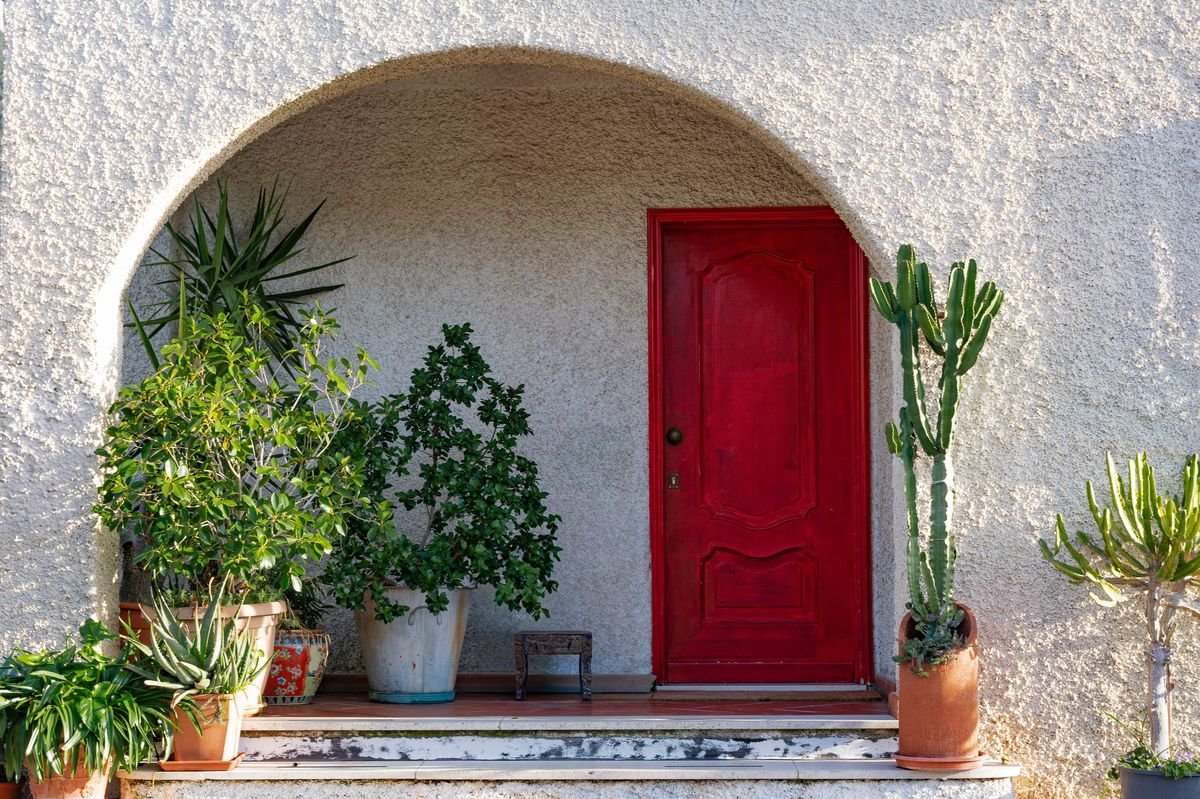
Choosing the right location in your yard or on your balcony is essential. Direct afternoon sunlight is one of the quickest ways to ruin an otherwise healthy Christmas cactus.
Direct sun can scorch the cladodes (leaf segments), turning them a dull reddish-purple color or bleaching them pale yellow. Once sunscald occurs, the damaged tissue cannot repair itself and may dry out into papery brown patches.
Place your plant in a spot that receives bright, indirect light or filtered morning sun. Excellent outdoor spots include:
- Beneath a covered porch or covered patio roof
- Under the dappled shade of large garden trees
- On the east side of your home where it only gets gentle dawn light
- Hanging under a pergola fitted with shade fabric
Avoid setting the pot directly on hot concrete or stone slabs, as radiant ground heat can cook the root system during warm summer afternoons.
Ideal Soil and Potting Mix for Outdoor Pots
When a Christmas cactus lives outdoors, it is subject to natural rainfall and wind. This means your soil mix must drain far more efficiently than standard garden dirt.
Heavy garden soil holds too much water and will rapidly suffocate the fine roots of an epiphytic cactus. Instead, use a light, airy potting blend that allows excess water to rush straight through the container.
A great homemade potting mix for outdoor containers contains:
- Two parts standard organic potting soil
- One part perlite or coarse pumice for aeration
- One part fine orchid bark to mimic natural tree bark habitat
- A small handful of horticultural charcoal to keep the soil fresh
Always ensure that the pot you choose has multiple drainage holes at the bottom. Hanging plastic pots, unglazed terracotta pots, or fabric containers work exceptionally well because they promote oxygen flow around the root zone.
Acclimating Your Plant to the Outdoors
You should never move a Christmas cactus directly from a dim living room into a bright outdoor garden in a single afternoon. Sudden changes in light intensity, wind speed, and humidity will shock the plant, causing it to drop segments and bud sites.
Acclimation, often called hardening off, should take place gradually over the course of seven to ten days. Start by placing your container in deep shade on a sheltered porch for two to three hours on a mild day, then bring it back indoors.
Over the next week, slowly increase the amount of time the plant spends outside each day. Move it gradually toward its final location with bright filtered light. This gentle transition allows the plant cuticle to thicken and adjust to outdoor air currents without unnecessary stress.
Outdoor Watering Tips to Avoid Root Rot
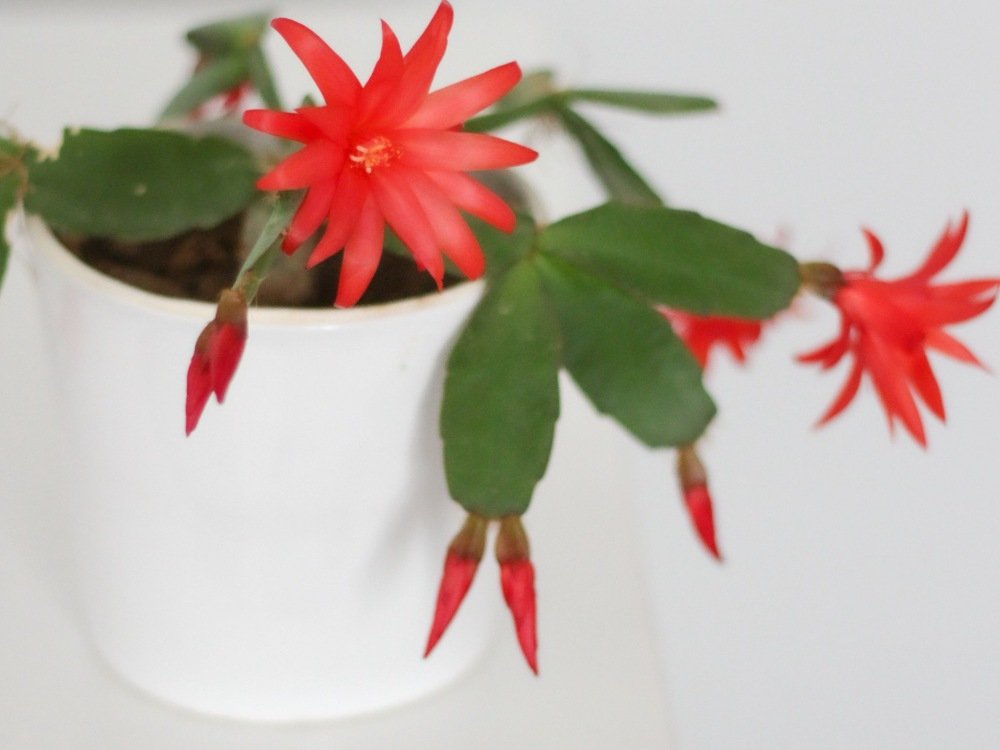
Watering an outdoor Christmas cactus requires a flexible approach because weather conditions change every day. A warm, breezy afternoon will dry out the soil much faster than a humid, overcast morning.
Check the moisture level by inserting your finger two inches into the potting mix. If the top two inches feel dry to the touch, give the plant a thorough, deep watering until water flows freely from the drainage holes. If the soil still feels cool and damp, hold off on watering for another day or two.
Be mindful of natural rainfall. If your area experiences consecutive days of heavy summer rain, move the pot under a solid awning or porch roof to prevent waterlogging. Standing water in saucers or trays must always be dumped out immediately to protect against root rot and fungal infections.
How Outdoor Air Triggers Flower Buds
One of the greatest benefits of keeping your Christmas cactus outdoors in early autumn is natural flower bud development. Christmas cacti require two key environmental triggers to set blooms: cool nighttime temperatures and longer periods of uninterrupted darkness.
In late summer and early fall, as nights naturally lengthen and temperatures begin to hover between 55 and 60 degrees Fahrenheit, the plant receives the exact cues it needs to form hundreds of tiny flower buds at the tips of its branches.
Indoor artificial lighting from lamps and televisions often disrupts this delicate photoperiod cycle. By letting your plant experience natural autumn twilight outside, you set the stage for an explosive floral display later in the holiday season. Just be certain to bring the plant inside before the first frost threatens.
Managing Outdoor Pests and Insects
While moving your plant outside offers fresh air and natural humidity, it also exposes the foliage to common garden pests. Inspecting your plant regularly helps you catch infestations before they get out of hand.
Keep a close eye out for these common garden intruders:
- Mealybugs: Small, white, cotton-like clusters hiding in stem joints
- Aphids: Tiny green or black insects that cluster around soft new growth
- Spider mites: Microscopic pests that create fine webbing under the leaf segments
- Slugs and snails: Nighttime chewers that leave ragged holes in fleshy leaves
If you spot sap-sucking insects, spray the entire plant thoroughly with organic neem oil or ready-to-use insecticidal soap. Make sure to spray in the early evening so the wet oil does not cause leaf scorch in the sun. If you hang your pot from a tree or shepherd hook, you will also naturally protect it from crawling slugs and garden snails.
When and How to Bring Your Plant Back Inside
As autumn progresses, you must prepare to transition your Christmas cactus back indoors before cold weather strikes. When nighttime temperatures consistently approach 50 degrees Fahrenheit, it is time to bring the container inside.
Before carrying the plant into your house, give it a complete inspection to avoid inviting garden bugs into your home. Wash the pot exterior with warm soapy water and spray the foliage with a gentle jet of water from the hose to dislodge any hitchhiking spiders or insects.
Place your cactus in a bright indoor room with moderate humidity, well away from hot radiator vents, wood stoves, or icy window drafts. Once inside, reduce your watering frequency slightly to match the slower indoor evaporation rate.
Common Mistakes to Avoid Outside
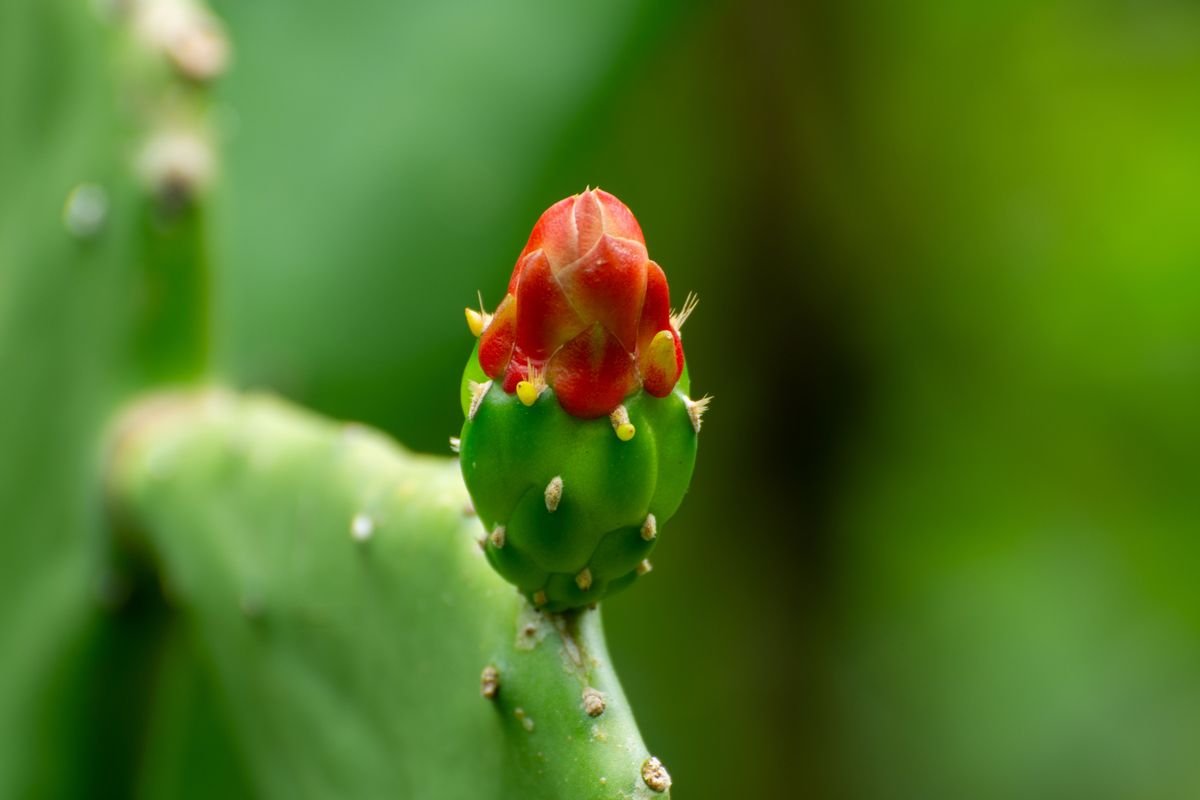
Caring for a Christmas cactus outdoors is relatively simple once you understand the plant, but a few common mistakes can derail your efforts. Being proactive will keep your plant green and vigorous.
Avoid these frequent outdoor care errors:
- Planting directly into heavy garden clay beds where roots cannot breathe
- Leaving pots in direct midday sun without any canopy protection
- Forgetting to check the weather forecast during unexpected cold snaps
- Letting pots sit in stagnant rainwater collecting inside deep saucers
- Skipping pest checks before moving the pot back inside for the winter
By providing dappled shade, airy soil, and timely protection from cold snaps, you can enjoy a vibrant, healthy Christmas cactus that produces spectacular blossoms year after year.
Is Your Outdoor Christmas Cactus Setup Safe?
Answer 4 quick questions to see your result