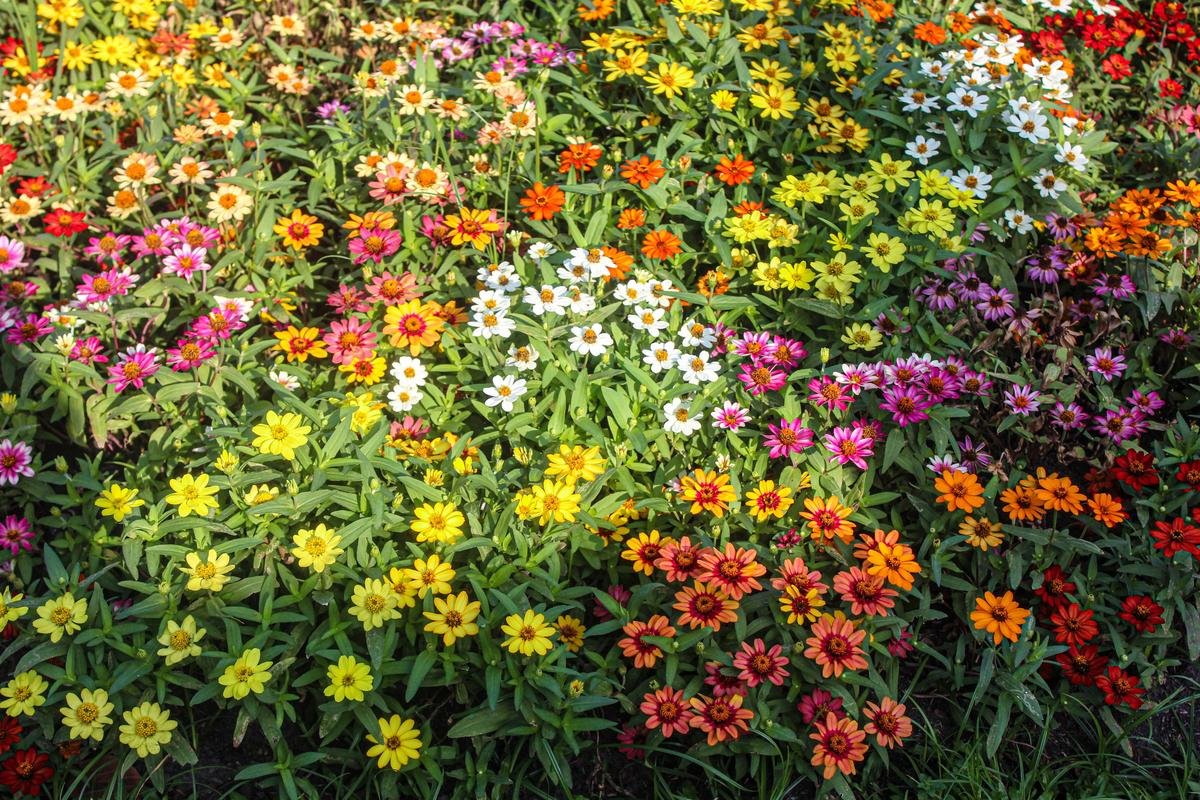
Few garden annuals can match the brilliant colors and sheer staying power of zinnias. These warm-weather favorites are beloved by gardeners around the world because they provide a continuous parade of showy blooms from early summer straight through the crisp days of autumn.
Whether you are growing dwarf varieties along a garden border or cultivating towering cut flowers for table arrangements, understanding their blooming cycle is the key to getting the most out of your planting season. With proper care, consistent sunshine, and regular deadheading, you can easily enjoy up to five months of non-stop color.
How Long Zinnias Bloom in the Garden
Under ideal outdoor conditions, individual zinnia flowers last on the plant for several weeks, while the plant itself can bloom continuously for anywhere from 60 days to more than five months.
Zinnias are true annuals that germinate quickly in warm spring soil. They typically begin producing their first flower buds roughly 60 to 75 days after seed germination. Once the initial buds open, the plant will not slow down as long as the temperature stays warm and you keep harvesting or trimming off fading blossoms.
Your regional climate plays a major role in the overall blooming window. In cooler northern zones, zinnias might bloom vigorously from July until early October. In warmer southern climates with longer growing seasons, zinnias planted in late spring can produce colorful blooms from May through November, only stopping when freezing temperatures arrive.
Popular Types of Zinnias and Their Growth Habits
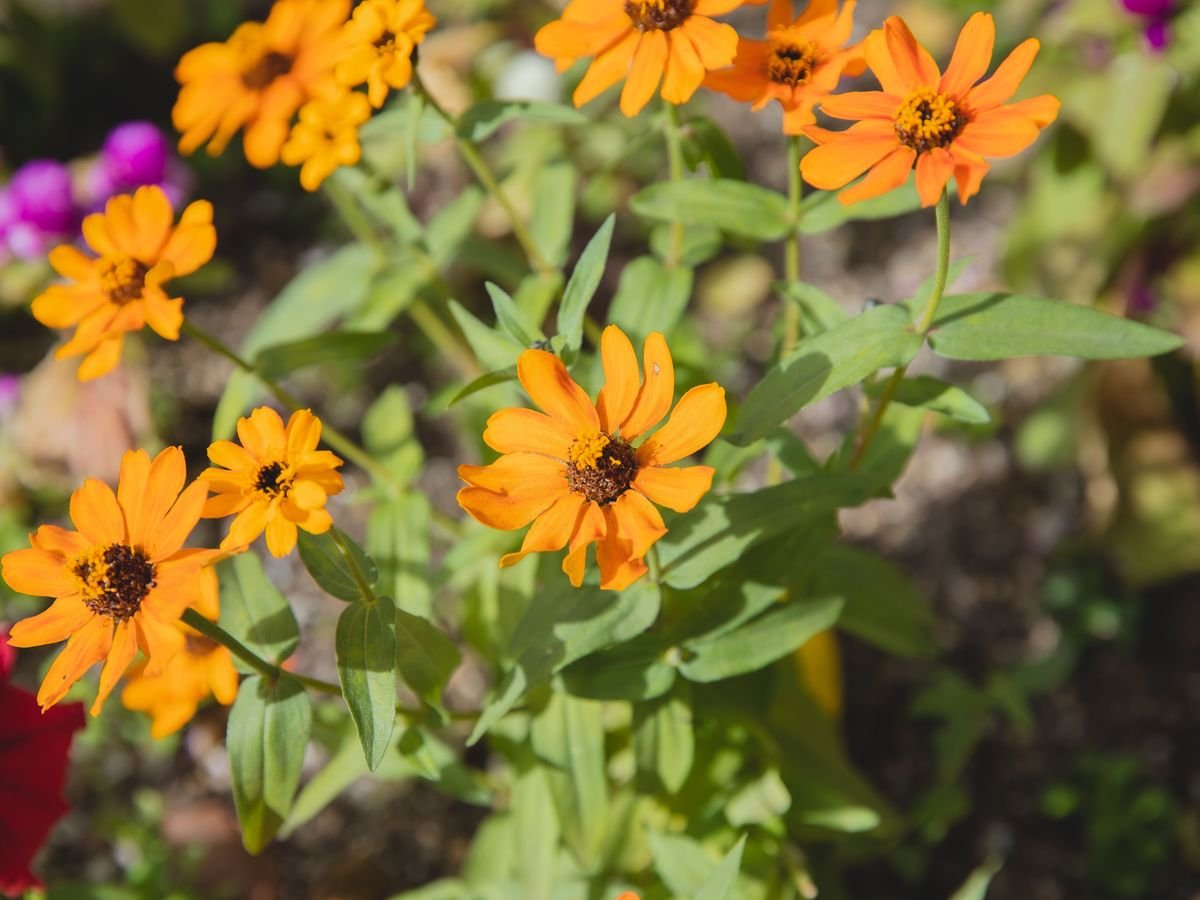
Zinnias come in an incredible variety of shapes, heights, and bloom structures. Knowing which variety you have will help you plan your garden layout and predict its growth.
Here are some of the most common zinnia groups you can grow in your garden:
- Zinnia elegans: This is the classic tall garden zinnia. Varieties like the Benary’s Giant or California Giant can reach three to four feet in height, featuring large dahlia-like double blooms that make incredible cut flowers.
- Zinnia angustifolia: Often called narrow-leaf zinnias, these plants naturally resist powdery mildew and grow in dense, spreading mounds between 10 and 16 inches tall. Cultivars like the Crystal or Star series produce abundant single daisy-like flowers.
- Zinnia marylandica: A modern cross between elegans and angustifolia, varieties such as the Zahara and Profusion series offer unmatched disease resistance, compact growth around 12 to 18 inches, and heat tolerance.
- Lilliput and Button Box Series: These dwarf to semi-dwarf types produce small, densely packed pompom blooms on stems ranging from 12 to 18 inches tall, making them perfect for containers and garden edging.
Each group has slightly different flowering habits, but all of them share the same love for warm sunshine and well-drained soil.
The Magic of Successive Planting
While a single zinnia plant can bloom for months, older plants can sometimes become tired, leggy, or susceptible to fungal issues by late summer. You can easily overcome this natural decline by practicing succession planting.
Succession planting simply means sowing new batches of zinnia seeds every two to three weeks starting after the last spring frost and continuing through mid-summer.
By staggering your plantings, you ensure a fresh wave of youthful, highly vigorous plants ready to burst into bloom just as the earliest batch begins to slow down. This guarantees top-quality cut flowers with long, sturdy stems throughout August and September.
Sunlight and Temperature Requirements
Zinnias are native to scrublands and grasslands in Mexico and Central America. Because of this background, they crave bright sunlight and warm temperatures to trigger heavy flower production.
To get the longest and brightest blooming display possible, plant your zinnias in a location that receives at least six to eight hours of direct, unfiltered sunlight each day. When planted in partial shade, zinnias produce weak, spindly stems and significantly fewer flowers. Low light also increases the likelihood of foliage diseases.
Zinnias have virtually zero tolerance for freezing temperatures. Wait until daytime temperatures consistently hover above 70 degrees Fahrenheit (21 degrees Celsius) and night temperatures stay above 50 degrees Fahrenheit (10 degrees Celsius) before direct sowing seeds or transplanting seedlings into the ground.
Soil Preparation and Feeding Tips
Healthy soil is the foundation for an abundant blooming season. Zinnias prefer a fertile, loamy soil with a neutral to slightly acidic pH between 6.0 and 7.0.
Before planting, enrich your garden bed with two to three inches of well-aged compost. Compost improves drainage in heavy clay soil while boosting moisture retention and biological activity in sandy soil. Good drainage is critical because waterlogged soil can lead to root rot and weak growth.
When it comes to fertilizer, moderation is key. A balanced, slow-release granular fertilizer applied at planting time provides steady nourishment. Avoid fertilizers with excessive nitrogen, as too much nitrogen causes lush green foliage growth at the expense of flower buds. A water-soluble bloom-boosting fertilizer applied once a month during peak summer can encourage continuous flower production.
How Deadheading Keeps Flowers Blooming
Deadheading is the single most effective gardening technique to prolong the zinnia flowering season. The biological goal of an annual plant is to produce flowers, get pollinated, develop mature seeds, and then die.
When you remove old, fading flowers before they set seed, you interrupt this reproductive cycle. The plant responds by sending energy back into vegetative growth and pushing out new flower buds.
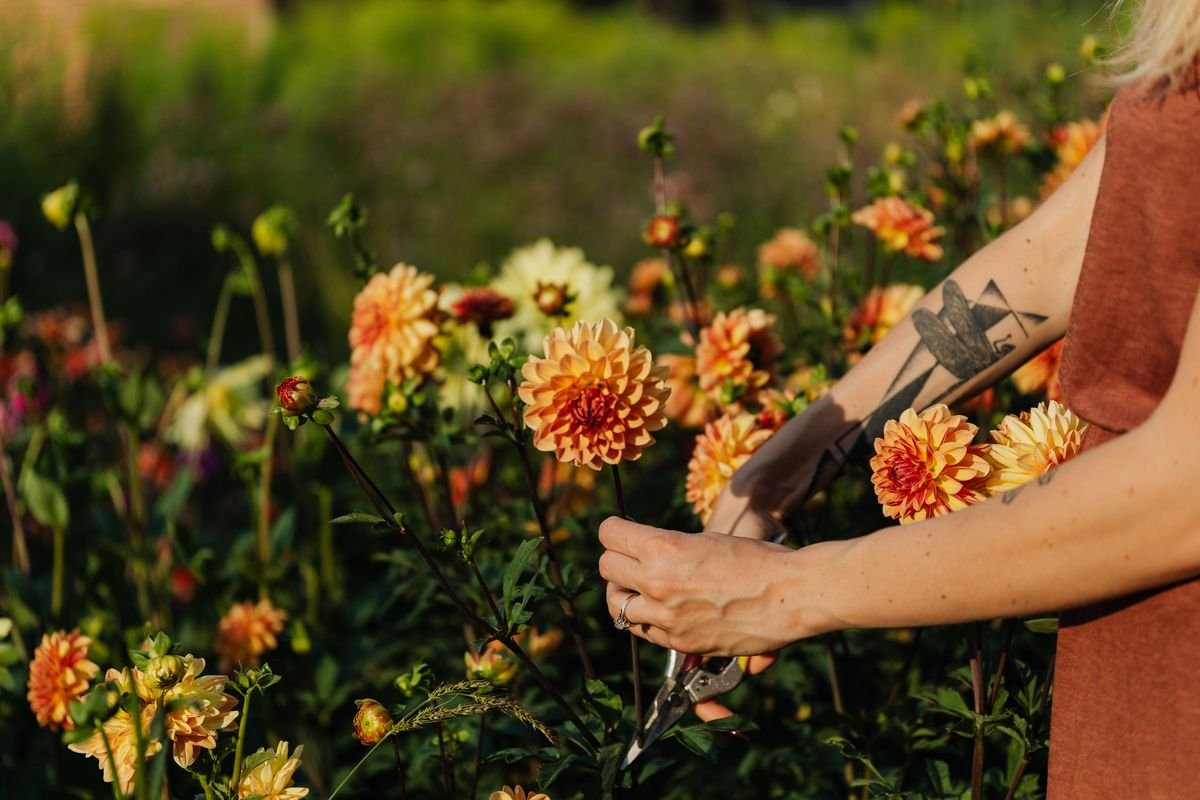
To deadhead properly, follow the stem down from the fading flower head to just above the first set of healthy leaves or a new side branch, then make a clean snip with sharp garden shears. Within a week or two, new flowering stems will emerge from the leaf nodes below your cut.
Harvesting fresh flowers for indoor bouquets serves the exact same purpose as deadheading. The more flowers you cut for vases, the more blooms your plants will produce.
Watering Practices That Prevent Powdery Mildew
Zinnias are reasonably drought-tolerant once established, but regular, deep watering ensures the longest blooming period and the largest flowers.
Water your zinnias at the base of the plant rather than spraying them from above with an overhead hose or sprinkler. Wet foliage combined with humid summer nights creates the perfect environment for powdery mildew, a fungal disease that coats leaves in a white powder and causes premature plant decline.
Using drip irrigation or a simple soaker hose delivers moisture directly to the root zone while keeping the leaves dry. Aim for approximately one inch of water per week through a combination of rainfall and supplemental irrigation. Applying a two-inch layer of organic mulch around the plants helps conserve soil moisture and suppresses weeds.
Extending Blooms Until the First Frost
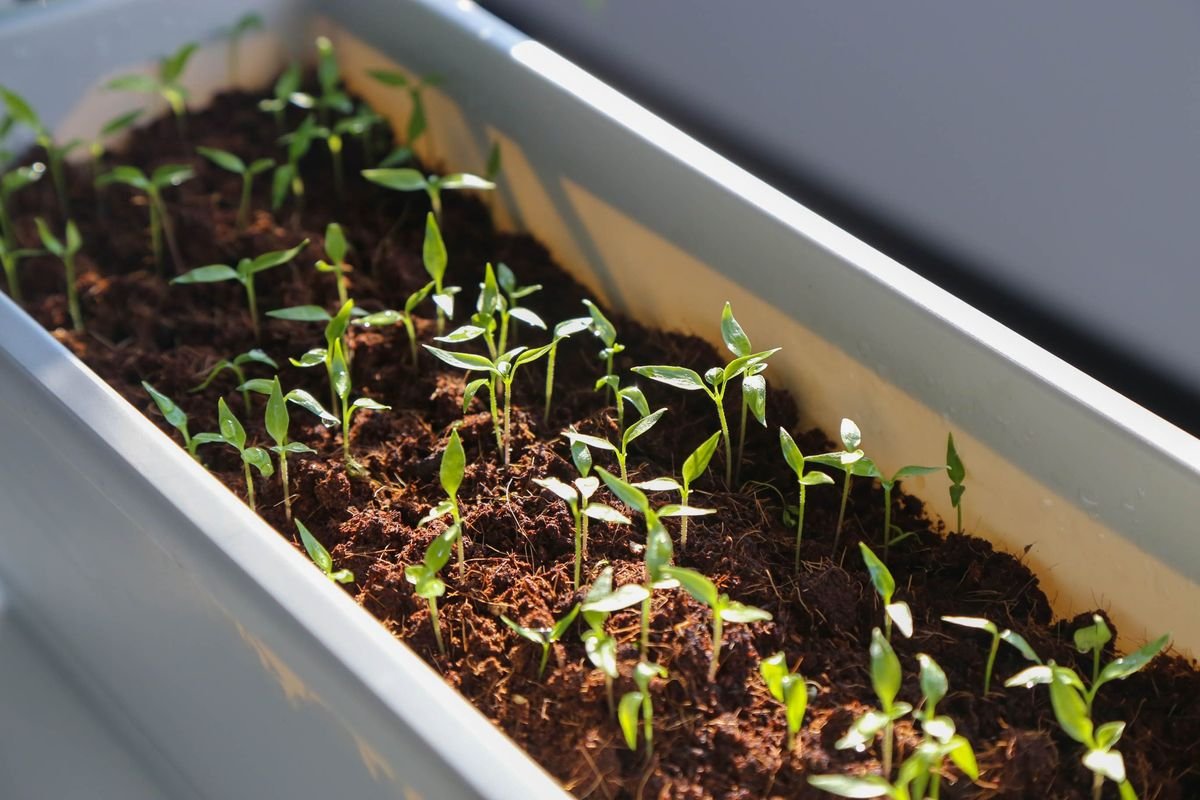
As autumn approaches and daylight hours decrease, you can take a few simple steps to protect your zinnias and stretch their blooming window as long as possible.
Keep an eye on local weather forecasts for the first predicted light frost. When a light frost threatens, you can cover your zinnia beds with lightweight frost cloth, old bedsheets, or floating row covers in the evening. Be sure to anchor the edges to the ground to trap heat radiating from the soil.
Remove the covers the following morning once temperatures rise above freezing and the sun is shining. This protective measure can buy you an extra two to four weeks of colorful blooms during pleasant autumn days, allowing you to enjoy your garden right up to the end of the season.
Are Your Zinnias Set Up for Nonstop Blooms?
Answer 4 quick questions to see your result