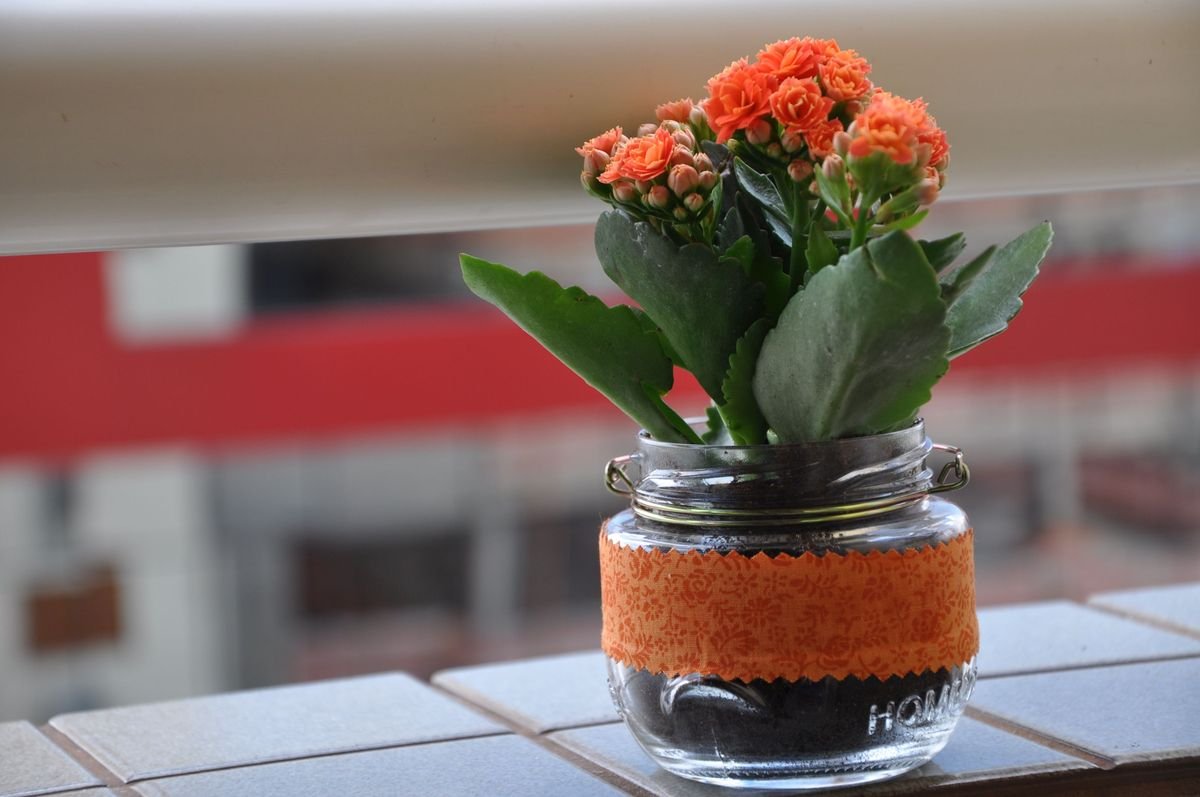
Kalanchoe plants are popular indoor succulents known for their thick green foliage and long lasting, colorful flowers. In their ideal environment, these plants maintain a dense, compact shape with tight clusters of leaves.
When conditions fall out of balance, your plant may start stretching upward with thin, weak stems and wide gaps between foliage. This common issue is known as legginess. While a stretched out kalanchoe can look sparse and untidy, you can easily correct the problem and restore your plant to full, bushy health.
What Does a Leggy Kalanchoe Look Like
A healthy kalanchoe features sturdy, upright stems packed with thick, fleshy leaves that grow closely together. The plant naturally stays relatively low and compact, focusing its energy on dense leaf production and vibrant flowering clusters.
When a kalanchoe becomes leggy, the distance between each set of leaves increases dramatically. Botanists call these gaps internodes. Instead of growing compact foliage, the stems stretch out rapidly, becoming pale, skinny, and fragile.
Over time, the top of the plant may become too heavy for the thin base to support. This causes the elongated stems to flop over the edge of the pot, bend downward, or even snap under their own weight. The leaves may also lose their rich green tone and appear smaller or thinner than usual.
Why Kalanchoe Plants Stretch and Get Leggy
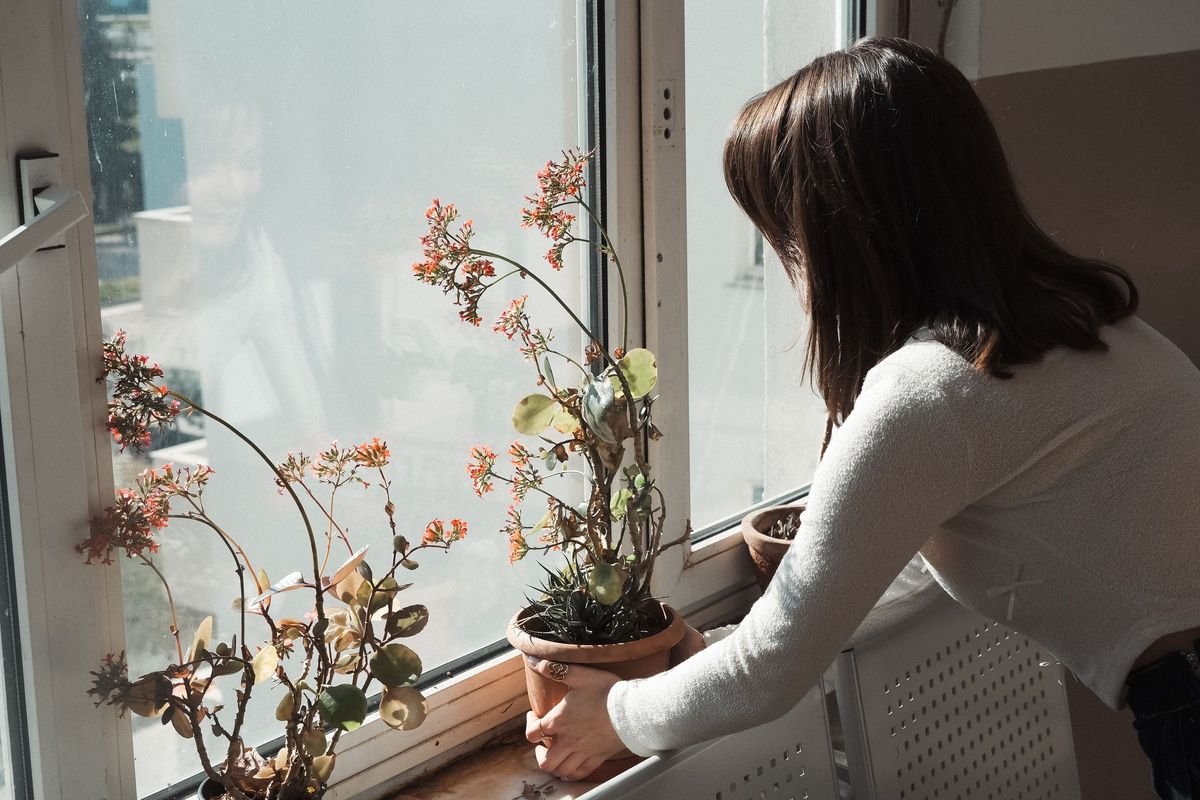
Plant stretching is a natural survival mechanism known scientifically as etiolation. When a plant senses that its environment lacks certain vital resources, it shifts all its stored energy into vertical growth.
Auxin, a plant growth hormone, concentrates on the darker side of the stems or at the apical tip. This hormone signals individual stem cells to elongate rapidly so the plant can reach higher toward a viable light or nutrient source.
While light starvation is the most frequent cause, several other environmental stressors can trigger this survival response. Understanding each factor helps you pinpoint exactly what your plant needs to recover.
Not Enough Natural Sunlight
The primary cause of legginess in kalanchoes is insufficient sunlight. Kalanchoes are native to arid, sun drenched regions of Madagascar, meaning they are biologically adapted to receive abundant light throughout the day.
When kept in dim rooms, dark corners, or far away from a window, the plant cannot perform photosynthesis efficiently. Photosynthesis is the chemical process by which the plant turns light, water, and carbon dioxide into sugars and energy.
Without adequate light energy, the plant panics and begins stretching directly toward the nearest light source. The resulting new stems are weak and fibrous because the plant prioritizes height over structural strength.
Incorrect Seasonal Placement
Seasonal changes in sunlight can catch many indoor plant owners off guard. A window sill that provides bright light during the summer months may receive significantly weaker rays during the short days of late autumn and winter.
As the sun sits lower in the sky, indoor light intensity drops sharply. If you keep your kalanchoe in the same location year round without adjusting for seasonal shifts, the plant may begin stretching during the winter months.
Additionally, moving your plant indoors after spending the warm summer months on an outdoor patio often causes a sudden light drop. This rapid change frequently triggers sudden stem elongation.
Lack of Regular Pruning
Kalanchoes produce prolific flower heads that can bloom for several weeks. Once those flowers fade and die, they continue to draw energy from the main plant if you leave them intact.
When spent blooms and dying stems linger on the plant, the kalanchoe diverts precious sugars and minerals toward maintaining those failing structures. This leaves fewer resources for healthy vegetative growth.
Furthermore, dense masses of old flowers and overgrown upper stems cast shade over the lower foliage. Deprived of ambient light, the lower leaves drop off, leaving bare, spindly stems at the bottom of the pot.
Watering Too Infrequently
Because kalanchoes are succulents, they store ample moisture inside their thick leaves and can tolerate periods of dry soil. However, chronic underwatering still causes severe stress.
When the root system remains completely dry for extended periods, the fine root hairs die back. This prevents the plant from absorbing whatever minimal moisture and nutrients remain in the potting mix.
In response to chronic dehydration, a kalanchoe may produce long, spindly shoots and aerial roots along its stems in an attempt to capture moisture from the surrounding air. The resulting growth is usually fragile, sparse, and pale.
Giving the Plant Too Much Water
Overwatering is one of the most destructive care mistakes you can make with any succulent. When the soil stays soggy, the spaces between soil particles remain filled with water rather than oxygen.
Roots need oxygen to respire and absorb minerals. Without air, the roots begin to suffocate and rot away. Once root rot sets in, the plant loses its ability to pull moisture and nutrients into its stems.
Even though the soil is wet, the foliage essentially starves. Confused by the nutrient deficit, the plant may stretch upward in an erratic attempt to find new resources while its lower leaves turn yellow and drop.
Small Pots and Root Bound Soil
Kalanchoe plants have relatively vigorous root systems that grow quickly when provided with proper care. If left in its original nursery container for too long, the roots will quickly fill the pot.
When a plant becomes root bound, the tightly coiled roots consume all available soil and push out organic matter. As a result, the pot holds very little water and fewer nutrients.
This lack of growing medium restricts normal stem thickening and foliage production. The constrained root ball can cause the plant to produce uneven, elongated shoots as it struggles to balance limited soil volume with upper plant growth.
Too Much Fertilizer
Giving your kalanchoe excessive plant food, especially formulas high in nitrogen, can backfire quickly. Nitrogen encourages rapid vegetative cell division and stem growth.
When fed too much nitrogen in low or moderate light, the plant shoots upward at an unnatural pace. The cell walls in these fast growing stems do not have enough time or sunlight to develop thick cellulose.
This creates soft, floppy, hyper elongated stems that cannot hold themselves upright. Succulents require only minimal feeding, so heavy fertilizer routines almost always degrade their natural compact form.
How to Fix a Leggy Kalanchoe
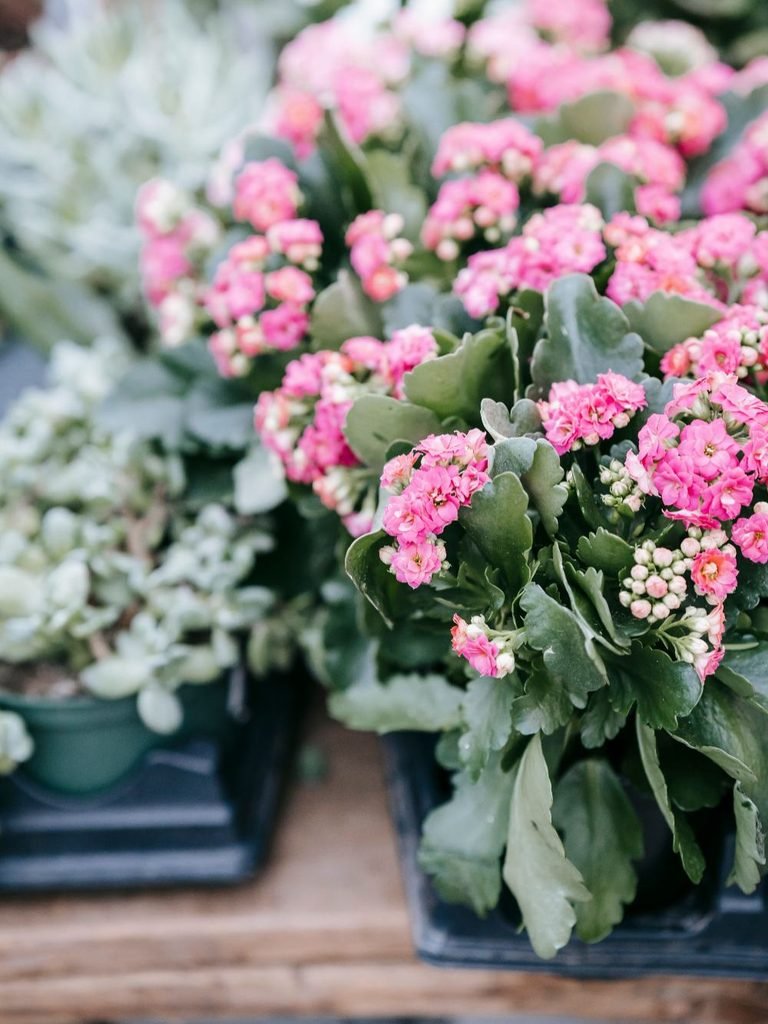
Once a stem has stretched out and become leggy, that specific part of the stem cannot shrink back to its original compact shape. However, you can completely rejuvenate the plant through a combination of pruning, propagation, and care adjustments.
By taking targeted corrective actions, you can prompt your kalanchoe to grow fresh, bushy branches from its base while using the cut stems to start brand new plants.
Following a systematic recovery plan will help your kalanchoe regain its vibrant form and prepare it for future blooming cycles.
Move the Plant to Brighter Light
Your first step is moving your kalanchoe to a location where it receives plenty of bright light. An east facing window that receives gentle morning sun or a south facing window with filtered light is ideal.
Always acclimate your plant gradually when increasing light exposure. Moving a shade adapted plant directly into intense afternoon sun can scorch its fleshy leaves, causing permanent white or brown burn marks.
Start by placing the plant in bright, indirect light for several days, then gradually introduce it to a few hours of direct morning sunshine over two weeks.
Supplement with Indoor Grow Lights
If your home lacks bright windows or your winters are dark and overcast, artificial grow lights provide a reliable solution. Modern full spectrum LED grow lights supply the exact wavelengths your plant needs for tight, compact growth.
Position the grow light roughly 6 to 12 inches directly above the top foliage of your kalanchoe. Keeping the light directly overhead encourages straight, upward growth rather than leaning.
Set the light on a simple timer to run for 12 to 14 hours per day. This consistent photoperiod prevents etiolation and supports healthy metabolic processes throughout the year.
Prune Stems to Encourage Bushy Growth
Pruning is essential to eliminate stretched growth and stimulate dense lateral branching. When you cut the top off a stem, you remove the apical bud, which breaks the hormone signal that drives vertical stretching.
Use sharp, clean pruning shears or scissors wiped down with rubbing alcohol to prevent introducing pathogens. Cut the leggy stems back by roughly one third to one half their total length.
Make each cut roughly one quarter inch above a healthy leaf node or pair of leaves. Within a few weeks, two new side shoots will emerge from that node, doubling the fullness of the stem.
Propagate the Cut Stems
Do not throw away the healthy stem pieces you remove during pruning. Kalanchoes root readily from stem cuttings, allowing you to turn your leggy plant into multiple new, compact specimens.
Select healthy cutting tops that are 3 to 4 inches long. Remove the lower leaves from the bottom two inches of each stem, leaving a bare section of stalk.
- Allow the cuttings to sit in a dry, shaded spot for two to three days until the cut ends form a dry callus.
- Insert the callused ends into a small pot filled with moist succulent soil mix.
- Place the pot in bright, indirect light and mist the soil lightly every few days until new roots form.
Adjust Your Watering Schedule
Adopting the proper watering technique ensures that your kalanchoe receives adequate hydration without risking root rot. The best approach for succulents is the soak and dry method.
Before watering, insert your finger or a wooden moisture meter at least two inches deep into the soil. If you detect any moisture, wait several more days before checking again.
When the top two inches are completely dry, water the potting mix thoroughly until moisture drains freely from the drainage holes at the bottom. Empty the drip tray promptly so the pot never sits in standing water.
Repot into Fresh Well Draining Soil
If your kalanchoe has outgrown its container or the soil has become compacted, repotting into a slightly larger pot will help revive it. Choose a container that is only 1 to 2 inches wider than the current root ball.
Unglazes terracotta pots are an exceptional choice for kalanchoes because the porous clay allows excess moisture to evaporate through the pot walls, reducing the risk of waterlogged soil.
Use a gritty, fast draining succulent or cactus potting mix. You can also make your own mix by blending two parts standard indoor potting soil with one part perlite and one part coarse horticultural sand.
Long Term Tips to Keep Kalanchoe Compact
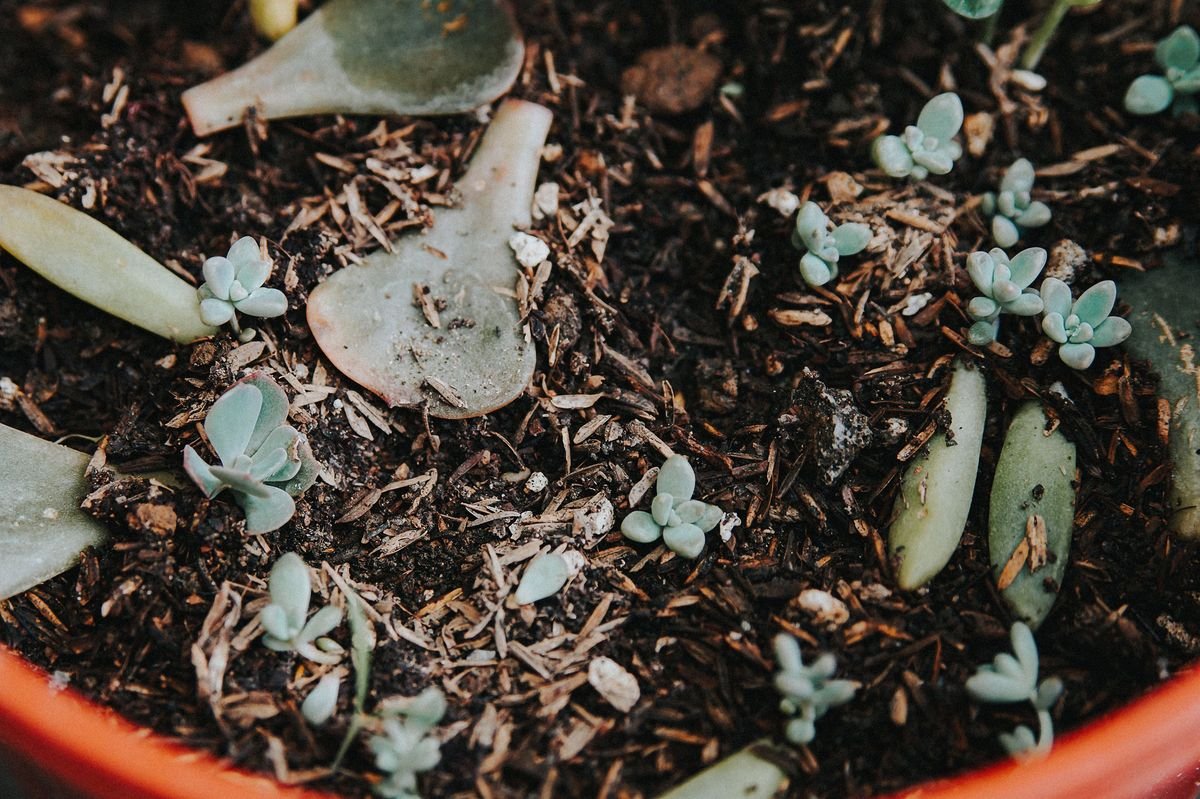
Maintaining a bushy, healthy kalanchoe over the long haul requires simple, consistent habits. Incorporating these basic maintenance steps into your plant care routine keeps stems sturdy and prevents future legginess.
- Rotate the pot a quarter turn every week so all sides receive balanced light and stems grow evenly upright.
- Pinch back new growing tips during the spring and summer to promote continuous lateral branching.
- Deadhead spent blossoms immediately after they fade to redirect energy into fresh foliage.
- Fertilize sparingly using a balanced houseplant fertilizer diluted to half strength only once a month during active growth.
- Inspect the undersides of leaves regularly for common pests like mealybugs and aphids that weaken stems.
With sufficient light, careful watering, and occasional pruning, your kalanchoe will stay compact, strong, and ready to put on a spectacular floral display year after year.
How Leggy Is Your Kalanchoe Plant?
Answer 4 quick questions to see your result