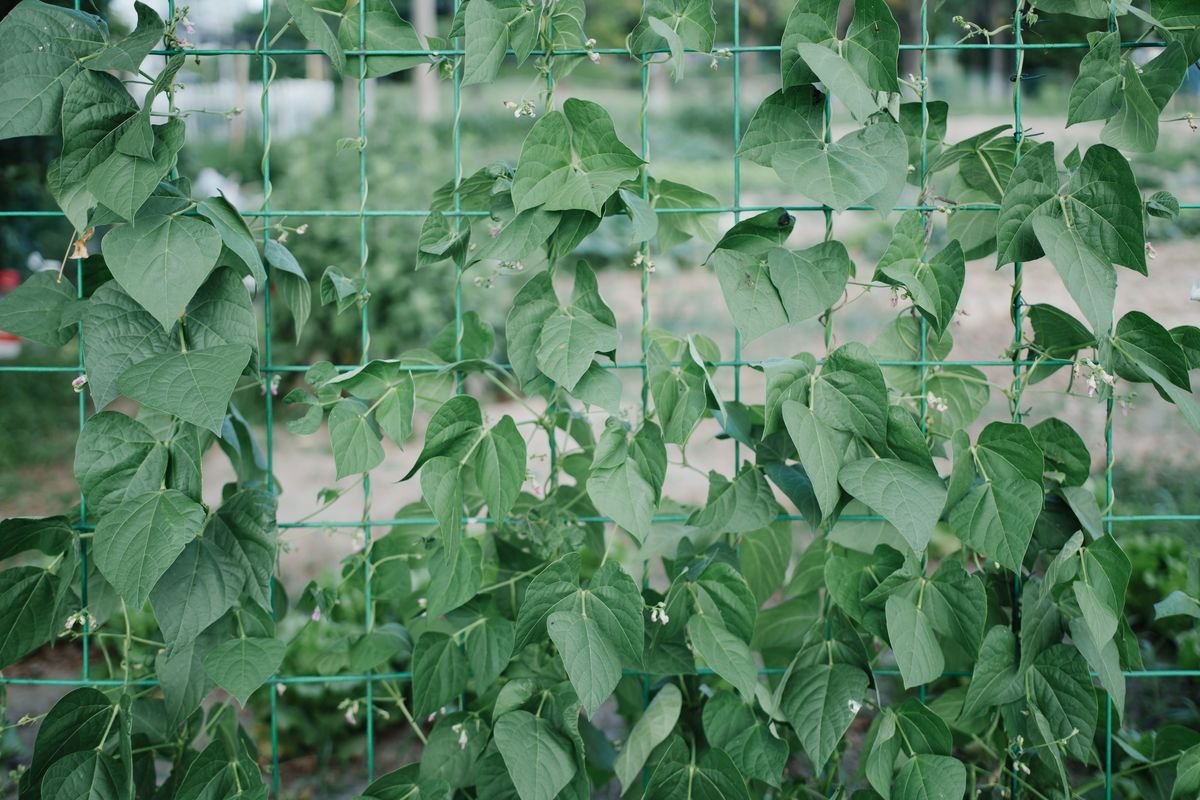
Bush beans are one of the most rewarding vegetables you can plant in a home garden. They germinate quickly, produce heavy yields in compact spaces, and generally do not demand complicated trellising.
It is deeply frustrating when your healthy seedlings suddenly stall out and refuse to develop new leaves or pods. If your bean patch looks frozen in time, simple environmental stressors or care mistakes are usually the culprit, and you can get them back on track quickly.
Reasons Your Bush Beans Stalled
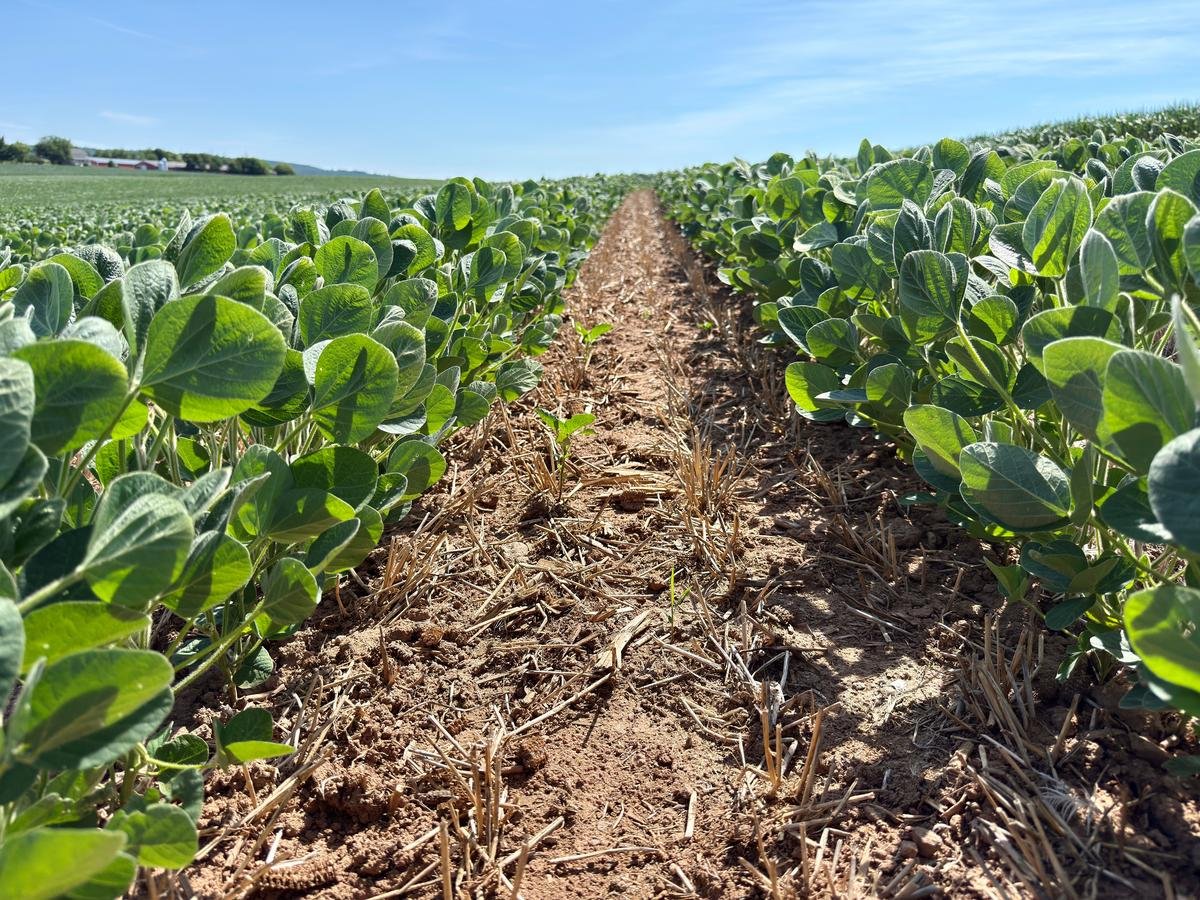
Bush beans have specific physiological triggers that control their growth cycles.
When any single environmental condition falls outside their comfort zone, the plants direct their energy toward basic survival rather than expanding their foliage or setting flowers. Finding the precise trigger is the first step toward reviving your harvest.
Cold Weather and Spring Chills
Bush beans originate from warm climates and have zero tolerance for cold conditions.
If daytime temperatures drop below 60 degrees Fahrenheit, cell division slows down dramatically. Cold soil also prevents delicate root hairs from expanding into new territory, leaving the top growth frozen in size until the weather warms up.
Excessive Summer Heat Waves
Intense heat is just as damaging to bush beans as sudden cold snaps.
When temperatures regularly exceed 85 to 90 degrees Fahrenheit, bean plants experience thermal stress. They often abort their blossoms, stop vegetative growth, and close their leaf pores to conserve internal moisture.
Compacted and Heavy Soil
Bean roots need oxygen just as much as they need moisture and nutrients.
Dense clay or compacted garden beds restrict airflow around root systems. This prevents roots from spreading outward, leading to stunted plants that cannot support new branches or leaves.
Incorrect Soil pH Levels
The acidity of your garden bed directly dictates whether your plants can absorb fertilizer.
Bush beans thrive in a slightly acidic to neutral pH between 6.0 and 6.8. When soil becomes too alkaline or overly acidic, essential minerals like phosphorus and iron become chemically locked away from the plant.
Underwatering and Dry Spells
Consistent hydration is crucial for the tender stems of green beans.
When topsoil dries out completely, the plant enters drought dormancy. The leaves lose turgor pressure, photosynthesis drops off, and stem elongation grinds to a halt to prevent total dehydration.
Overwatering and Poor Drainage
Giving your garden too much water creates an anaerobic zone around the roots.
Without oxygen, the root system begins to decay and succumb to fungal pathogens. As roots rot beneath the surface, the top of the plant stops growing because it can no longer draw water upward.
Destructive Garden Pests
Sap-feeding insects love the tender foliage of bush beans.
Pests such as aphids, spider mites, and thrips pierce plant tissue to drain vital sap. This constant loss of nutrients starves the plant, causing curled leaves, pale coloring, and a complete pause in new growth.
Bacterial and Fungal Diseases
Pathogens can quickly derail an otherwise healthy vegetable plot.
Bacterial blight and powdery mildew coat or damage leaf surfaces. This severely limits the plant’s ability to capture sunlight and carry out photosynthesis, depriving it of the fuel required for growth.
Overcrowding in Garden Rows
Sowing seeds too close together creates intense underground competition.
When seedlings grow on top of one another, their roots tangle and compete for the same small pocket of moisture and nutrients. The weaker plants end up dwarfed and unable to reach full maturity.
Nitrogen Toxicity in the Ground
Bush beans are legumes, meaning they host beneficial bacteria that fix their own nitrogen from the air.
If you feed them heavy synthetic fertilizers rich in nitrogen, it can disrupt their delicate root nodules. Too much nitrogen causes either leggy, fragile foliage with no bean production or root burn that halts growth entirely.
Steps to Restart Bush Bean Growth
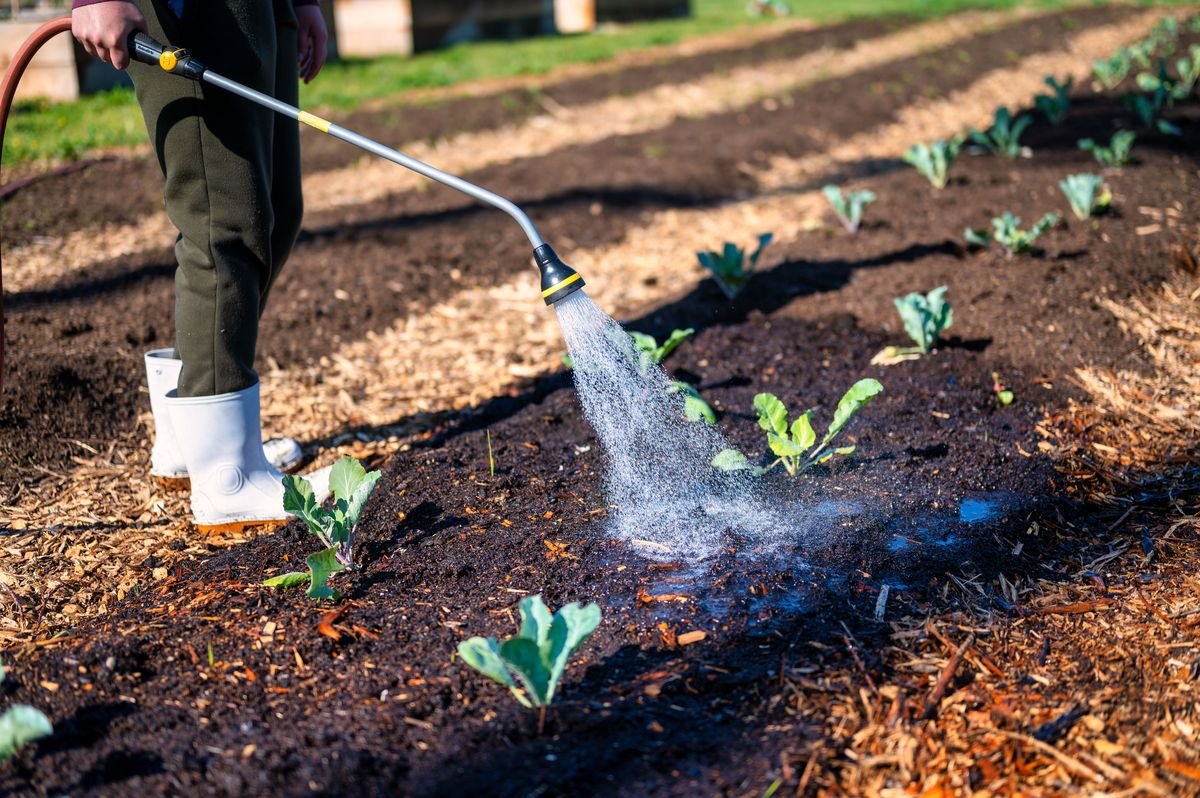
Once you have diagnosed the issue in your garden patch, you can take immediate action.
Bush beans are resilient annuals that can bounce back rapidly when given the right environmental corrections.
Optimize Your Soil Conditions
Loosen dense soil around your planting area and blend in mature compost.
Organic compost improves drainage in clay ground and boosts water retention in sandy beds. It also creates a loose structure that allows young bean taproots to dig deep without resistance.
Establish a Steady Watering Schedule
Provide roughly one inch of water per week, adjusting for natural rainfall.
Check the moisture level by inserting your finger two inches into the dirt. Water thoroughly only when that top layer feels dry, and always deliver moisture at the base of the plant to keep leaves dry.
Thin Seedlings for Proper Airflow
Give your beans room to breathe by thinning congested rows.
Use clean garden snips to trim extra seedlings down to the soil line rather than pulling them, which preserves neighboring roots.
- Keep individual bush bean plants 3 to 4 inches apart.
- Space garden rows at least 18 to 24 inches apart.
- Ensure sunlight reaches the lower stems of each plant.
Protect Plants from Temperature Extremes
Shield your crop from unseasonal temperature swings.
Use lightweight floating row covers during unexpected late spring chills to trap ground warmth. During midsummer heat waves, install a 30 percent shade cloth over the bed to reduce solar stress and drop ambient temperatures.
Treat Pests with Organic Solutions
Inspect the undersides of leaves weekly to catch insect populations early.
Wash away small colonies of aphids using a firm spray of water from your hose. For persistent infestations of spider mites or bean beetles, apply neem oil or insecticidal soap during the cool morning hours.
Prevent Common Foliar Diseases
Good garden hygiene is the best defense against fungal blights.
Always use drip irrigation or a soaker hose instead of overhead sprinklers. Remove any yellowed, spotted, or ground-touching leaves immediately to prevent fungal spores from spreading across the row.
Final Advice for Healthy Harvests
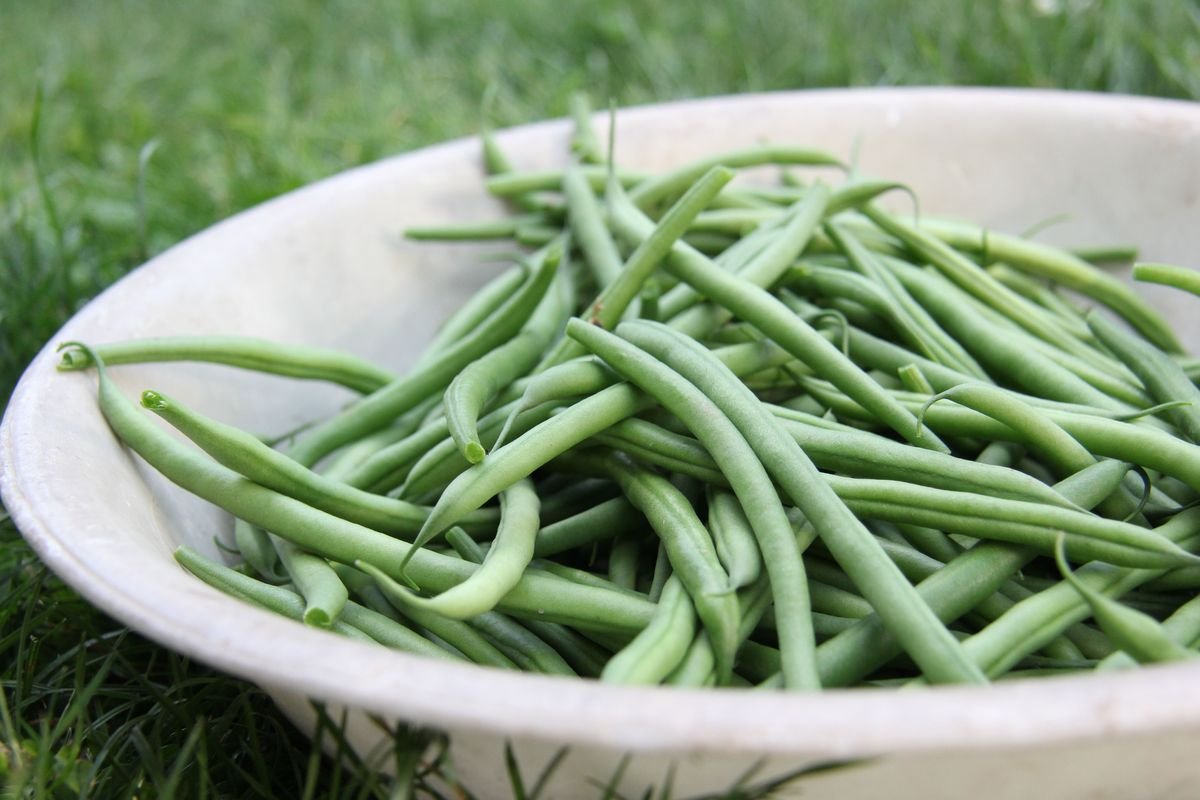
Bush beans grow quickly once their core environmental needs are met.
By ensuring loose soil, consistent moisture, and proper spacing, your bean plants will soon push out vibrant new leaves and a continuous supply of tender pods all season long.
Why Have Your Bush Beans Stopped Growing?
Answer 4 quick questions to see your result