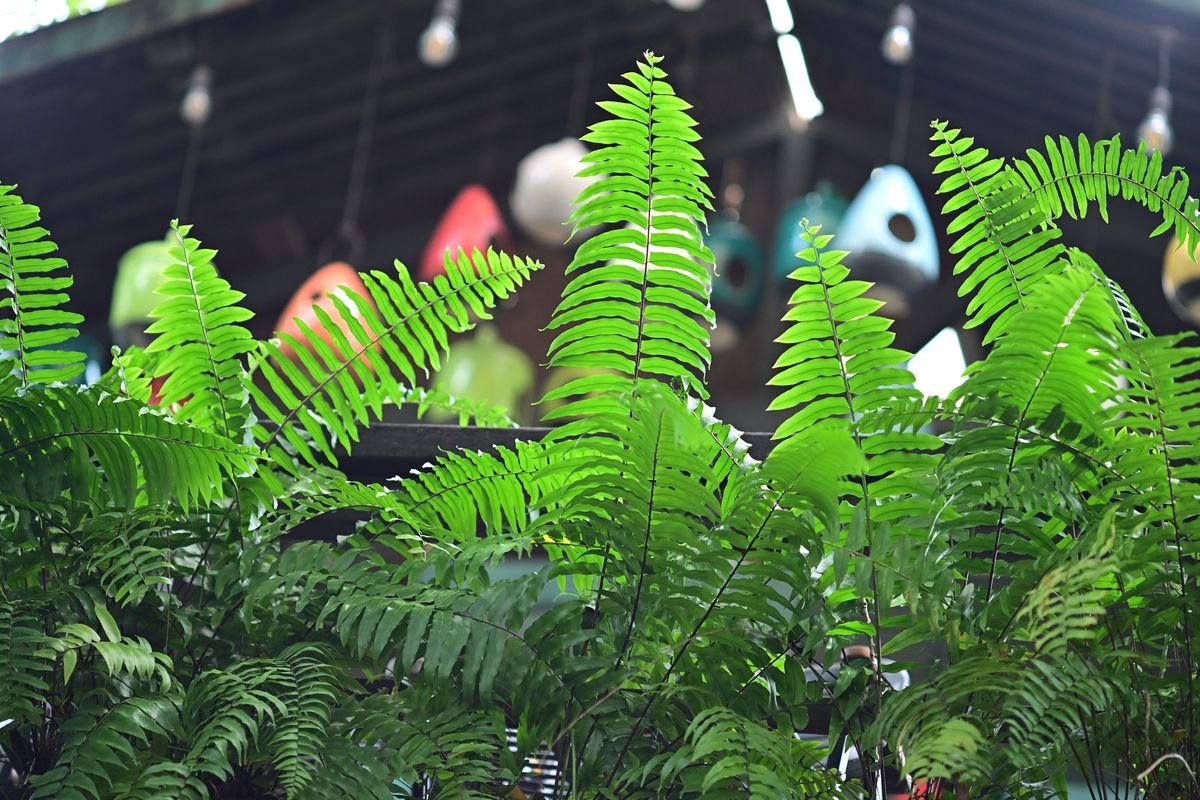
Boston ferns are celebrated houseplants known for their arching fronds, lush green foliage, and natural ability to increase indoor humidity. When you share your living space with curious four-legged companions, bringing any new greenery into the house naturally raises important safety questions.
Curious cats love to swat at feather-like leaves, while playful dogs often inspect new pots with their noses and mouths. Understanding whether the Boston fern poses a threat to your furry family members will give you peace of mind while keeping both your home decor and your pets healthy.
Understanding Boston Fern Safety for Pets
Pet owners can breathe a big sigh of relief when it comes to the classic Boston fern (Nephrolepis exaltata).
Major veterinary authorities, including the American Society for the Prevention of Cruelty to Animals (ASPCA), confirm that true Boston ferns are entirely non-toxic to both dogs and cats. They do not contain poisonous alkaloids, insoluble calcium oxalates, or lethal glycosides.
This non-toxic status makes the plant one of the top indoor choices for animal lovers who want a lush jungle aesthetic without putting their pets in danger.
Even though the plant is non-toxic, safe does not necessarily mean edible. Nibbling on fibrous plant material can still cause minor physical reactions in small animals, which makes mindful placement and pet management an essential part of responsible plant ownership.
What Makes Boston Ferns Unique
Boston ferns have been a favorite staple in indoor horticulture since the Victorian era.
They produce long, sword-shaped fronds covered in delicate, divided pinnae that gracefully arch downward as the plant matures. In nature, these epiphytic or terrestrial ferns thrive on the warm, moist forest floors of tropical and subtropical regions across the Americas.
Inside the home, Boston ferns serve as natural humidifiers by releasing moisture through normal transpiration.
They also help purify indoor air by filtering trace airborne compounds such as formaldehyde and toluene. Their preference for moderate, indirect sunlight and higher humidity levels makes them ideal candidates for bathrooms, kitchens, and bright living rooms.
Are Boston Ferns Safe for Cats
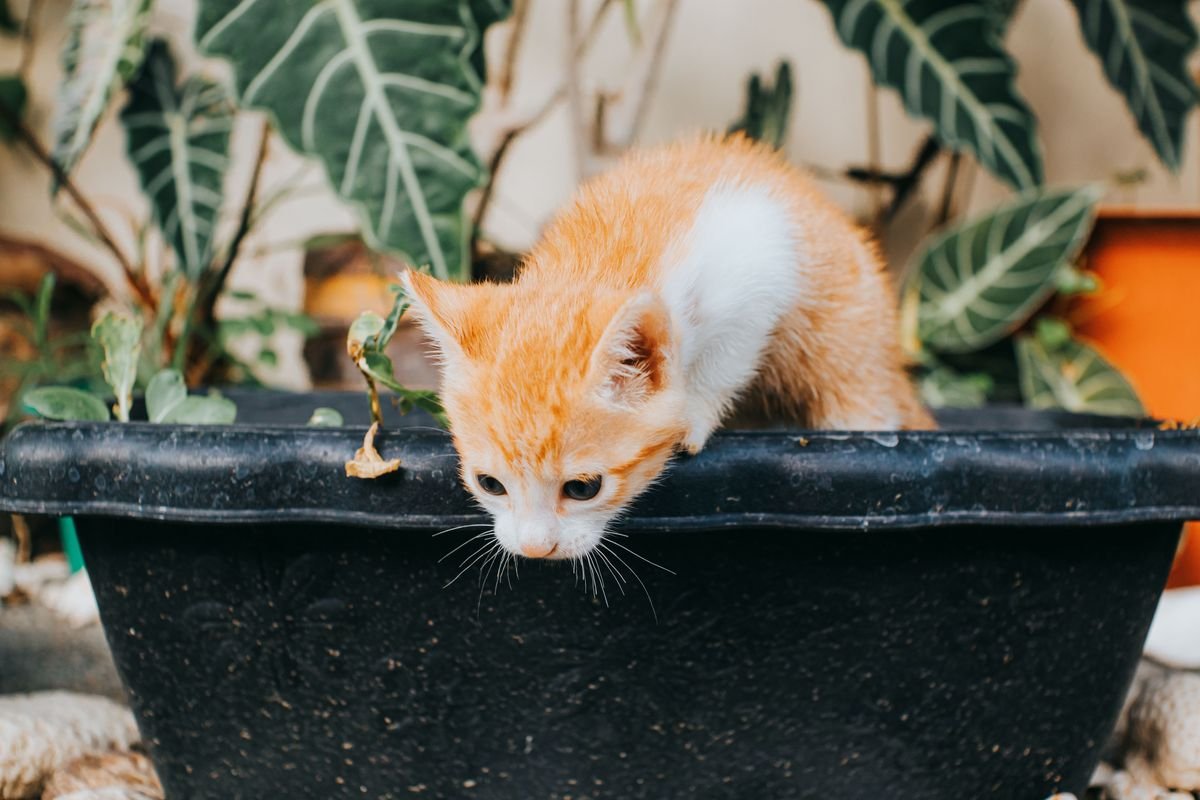
Cats are notoriously inquisitive creatures that frequently investigate dangling stems, fluttering foliage, and soft green textures.
Because Boston ferns lack systemic poisons, your cat will not suffer severe organ damage, neurological problems, or life-threatening poisoning if they take a quick bite from a trailing frond.
Feline safety is one of the primary reasons veterinarians and horticulturists recommend this plant over other popular house greenery.
However, a cat that consumes large quantities of tough, cellulose-heavy leaves can still develop mild physical discomfort. The plant fronds are not designed to be a main staple in a strict carnivore diet.
Reasons Your Cat Chews on Fern Fronds
Understanding why your feline friend targets your fern can help you address the behavior effectively. Cats often chew on indoor plants for several distinct behavioral and physiological reasons:- Natural instinct to aid digestion and manage pesky hairballs in the stomach
- Boredom or lack of mental stimulation during long hours alone indoors
- Playful attraction to the wispy, moving leaflets that mimic small prey or toys
- Nutritional curiosity or a desire for fresh, crunchy dietary fiber
- Stress or anxiety relief through repetitive chewing habits
Potential Symptoms if a Cat Eats Boston Fern
While non-toxic, consuming large amounts of fern leaves can overwhelm a cat digestive system. Felines lack the specific enzymes required to break down dense plant cellulose efficiently. If your cat munches down several full fronds, you might observe a few mild, short-lived symptoms:- Mild nausea and temporary loss of appetite
- Spontaneous vomiting, often containing intact green leaf fragments
- Loose stools or mild diarrhea lasting a short duration
- Excessive drooling caused by mechanical irritation in the mouth or throat
- Lethargy or sluggishness due to minor abdominal cramping
What to Do if Your Cat Eats Too Much
If you catch your cat devouring half of your Boston fern, stay calm and assess the situation.
First, remove any loose frond remnants from your cat mouth and move the plant out of reach to prevent further consumption.
Offer fresh, clean water to help soothe their throat and prevent dehydration if vomiting has occurred.
Monitor your pet closely for the next twelve to twenty-four hours. In most instances, the stomach upset resolves on its own once the plant material passes through their system.
If vomiting persists continuously for more than twenty-four hours, or if your cat becomes unusually weak and refuses water, contact your veterinarian for supportive care.
Are Boston Ferns Safe for Dogs
Dogs are naturally curious explorers who interact with the world through their mouths and noses.
Whether you have an energetic puppy exploring every floor-level object or an adult dog with a habit of foraging, Boston ferns will not poison your canine companion.
The plant contains no harmful resins, toxic sap, or deadly compounds that affect canine kidney or liver function.
Your dog can safely walk past, sniff, and lightly brush against the foliage without any danger of absorbing toxic chemicals through their coat or skin.
Why Dogs Might Nibble on Indoor Plants
Canine plant chewing can stem from both dietary instincts and daily lifestyle factors. Dogs are opportunistic omnivores that naturally consume occasional vegetation in the wild. Common triggers for dogs chewing on household plants include:- Exploratory puppy behavior and teething discomfort
- Underlying digestive upset where the dog seeks fiber to calm its stomach
- Dietary deficiency or a simple craving for fresh vegetable matter
- Separation anxiety, boredom, or excess energy from lack of exercise
- Curiosity triggered by the scent of fertilizers or rich organic potting soil
Signs Your Dog Ingested Excessive Foliage
A small nibble from a Boston fern leaf will rarely cause any noticeable change in your dog behavior. However, if a medium or large dog eats an entire potted fern, the sheer volume of tough greenery can cause gastrointestinal distress. Watch for the following physical indicators:- Regurgitation or vomiting containing leafy plant fibers
- Abdominal gurgling, bloating, or mild stomach sensitivity
- Watery or soft bowel movements over the next day
- Lip licking, drooling, or throat clearing caused by tickling frond fibers
Steps to Take When Your Dog Gets Sick
When your dog shows signs of stomach distress after raiding your houseplant collection, take prompt, organized action.
Check the plant pot immediately to confirm that no other dangerous items, like chemical fertilizer spikes or toxic plant neighbors, were ingested alongside the fern.
Withhold heavy meals for a few hours to give the digestive tract a chance to settle, but always provide clean drinking water.
You can offer a small, bland meal such as boiled white chicken breast and plain white rice once vomiting stops.
Reach out to your veterinary clinic if your dog exhibits severe lethargy, blood in their vomit or stool, or sustained abdominal pain.
Are Boston Ferns Safe for Children and Adults
The non-toxic nature of the Boston fern extends to humans of all ages, including toddlers and young children.
Health agencies and poison control centers categorize Nephrolepis exaltata as harmless to humans upon accidental ingestion.
Curious toddlers frequently explore indoor environments by placing leaves, soil, and dropped plant debris into their mouths.
While consuming large amounts of raw fronds can lead to minor stomach cramps or throat irritation in small children, the plant poses no chemical toxicity danger.
Always ensure that fallen leaves are cleaned up promptly to eliminate any minor choking hazard for infants.
Possible Skin Reactions and Irritation
Direct contact with Boston fern foliage is safe for the vast majority of people and pets. However, sensitive individuals or pets with fragile skin barriers may occasionally develop mild contact dermatitis. The undersides of mature fern fronds produce microscopic spores housed inside small brown structures called sori. Handling these spores or rubbing against brittle, dry foliage can occasionally cause:- Mild localized skin redness or itching
- Temporary allergic sneezing in sensitive individuals
- Minor skin hives in people with known botanical sensitivities
Practical Ways to Protect Your Plants and Pets

Even though Boston ferns are safe, you still want to keep your houseplants healthy, full, and intact.
Constant nibbling, pawing, and tugging can turn a magnificent, bushy fern into a ragged cluster of bare stems.
Implementing physical barriers, behavioral deterrents, and positive distractions creates a peaceful living environment where both your greenery and your animal companions can thrive side by side.
A multi-layered approach works best to discourage curious paws and persistent teeth.
Use Hanging Baskets and High Shelves
Elevating your Boston fern is one of the most effective and aesthetically pleasing ways to keep it out of reach.
Boston ferns look spectacular when suspended from ceiling hooks, macrame hangers, or wall-mounted plant brackets.
Floating shelves and tall plant stands also work wonders for keeping greenery away from dogs and less acrobatic pets.
When hanging ferns in homes with cats, ensure there are no nearby tables, couch backs, or bookshelves that a cat could use as a launching pad to jump onto the plant.
Apply Safe Pet Repellents
Taste and scent deterrents are helpful tools for discouraging pets from testing your plants.
Commercial bitter apple sprays and citrus-scented plant sprays create an unappealing taste without damaging the fern leaves.
You can also make a simple homemade deterrent by mixing equal parts water and white vinegar in a spray bottle, adding a few drops of mild dish soap, and misting the outer pot rim.
Never use hot pepper sprays, cayenne powder, or concentrated essential oils on your houseplants.
Hot spices can cause severe pain and corneal ulcers if pets get the powder in their eyes or on their sensitive noses.
Work on Consistent Pet Training
Training provides long-term behavioral changes that protect all the items in your home.
Teach your dog the fundamental leave it command using positive reinforcement, high-value treats, and patient repetition.
Whenever your dog approaches the plant, issue the command and reward them generously when they turn their attention back to you.
For cats, direct punishment rarely works and often increases stress.
Instead, use gentle redirection with an interactive feather wand or toss a favorite toy in the opposite direction whenever you see them eyeing the fronds.
Offer Pet Friendly Greens Instead
If your pets show an irresistible urge to graze on fresh vegetation, provide them with their own personal plant bar. Offering designated safe greens satisfies their natural dietary craving without sacrificing your decorative houseplants. Excellent pet-safe grass options include:- Organic wheatgrass (commonly sold as cat grass)
- Oat grass sprouts
- Barley grass trays
- Fresh catnip or catmint plants grown in sturdy pots
- Fresh spider plant offsets placed in pet-accessible areas
Prevent Pot Digging in Plant Containers
Cats and small dogs often find the loose, moist potting soil inside a fern container just as appealing as the foliage.
Cats may view a wide plant pot as an inviting secondary litter box, while dogs enjoy digging for moisture and organic matter.
To protect the soil surface, place large, smooth river stones, decorative lava rock, or breathable soil grids across the top of the potting medium.
Ensure the stones are large enough that your pet cannot accidentally swallow them.
Keeping your cat litter box meticulously clean also reduces their desire to seek out alternative digging spots around the house.
Keep Pets Stimulated with Toys and Play
A bored pet is far more likely to seek out trouble among your indoor plant collection.
Providing adequate physical exercise and mental stimulation channels their energy away from destructive habits.
Engage dogs with puzzle feeders, chew toys, and daily outdoor walks to tire them out both mentally and physically.
For cats, provide vertical climbing trees, scratching posts near window sills, and scheduled daily play sessions with interactive laser pointers or teaser wands.
When pets are mentally content and physically relaxed, houseplants quickly lose their novelty as play targets.
Other Pet Safe Ferns You Can Grow
If you want to build a rich, diverse indoor garden filled with varied textures, you are not limited to just Boston ferns.
The botanical world offers numerous true fern varieties that are completely safe for households with animals.
True ferns reproduce via spores and do not produce true flowers or toxic berries.
Adding multiple non-toxic fern species allows you to create lush, tiered greenery displays while maintaining complete confidence in your pets safety.
Beautiful Non Toxic Fern Varieties
Here are several outstanding non-toxic ferns that thrive indoors and remain safe for cats and dogs:- Bird Nest Fern (Asplenium nidus): Features broad, glossy, undivided fronds that grow in an upright rosette.
- Staghorn Fern (Platycerium bifurcatum): Famous for its dramatic, antler-shaped fronds and ability to grow mounted on wood plaques.
- Maidenhair Fern (Adiantum raddianum): Offers delicate, lacy leaflets on contrasting dark, wiry stems.
- Button Fern (Pellaea rotundifolia): A compact fern with charming, small, round, leathery leaves.
- Rabbit Foot Fern (Davallia solida): Recognized for its fuzzy, creeping surface rhizomes and light, airy fronds.
- Holly Fern (Cyrtomium falcatum): Displays stiff, dark green, glossy pinnae that resemble holly leaves.
Dangerous Ferns You Should Avoid
While true ferns in the Polypodiopsida class are generally safe, several common plants that share the fern name are dangerously toxic.
Common plant naming conventions can be misleading because many species with delicate, fern-like foliage are actually members of entirely different botanical families.
Some of these plants contain potent saponins, cardiac compounds, and caustic juices capable of harming animals.
Always verify the scientific Latin name of any plant before introducing it into a home shared with curious animals.
Toxic Plants Frequently Confused with Ferns
Be sure to avoid or carefully isolate the following toxic species that carry misleading fern names:- Asparagus Fern (Asparagus aethiopicus): Not a true fern, but a member of the lily family containing toxic sapogenins that cause vomiting, diarrhea, and severe skin irritation.
- Foxtail Fern (Asparagus densiflorus): Closely related to the asparagus fern, carrying poisonous red berries that harm pets upon ingestion.
- Plumosa Fern (Asparagus setaceus): Features feathery foliage containing caustic compounds dangerous to cats and dogs.
- Bracken Fern (Pteridium aquilinum): A wild fern containing ptaquiloside and thiaminase, which causes serious toxicity and vitamin depletion in foraging animals.
- Sprengeri Fern (Asparagus densiflorus sprengeri): Causes intense gastric upset and allergic skin inflammation upon contact.
Final Tips for a Pet Friendly Green Home
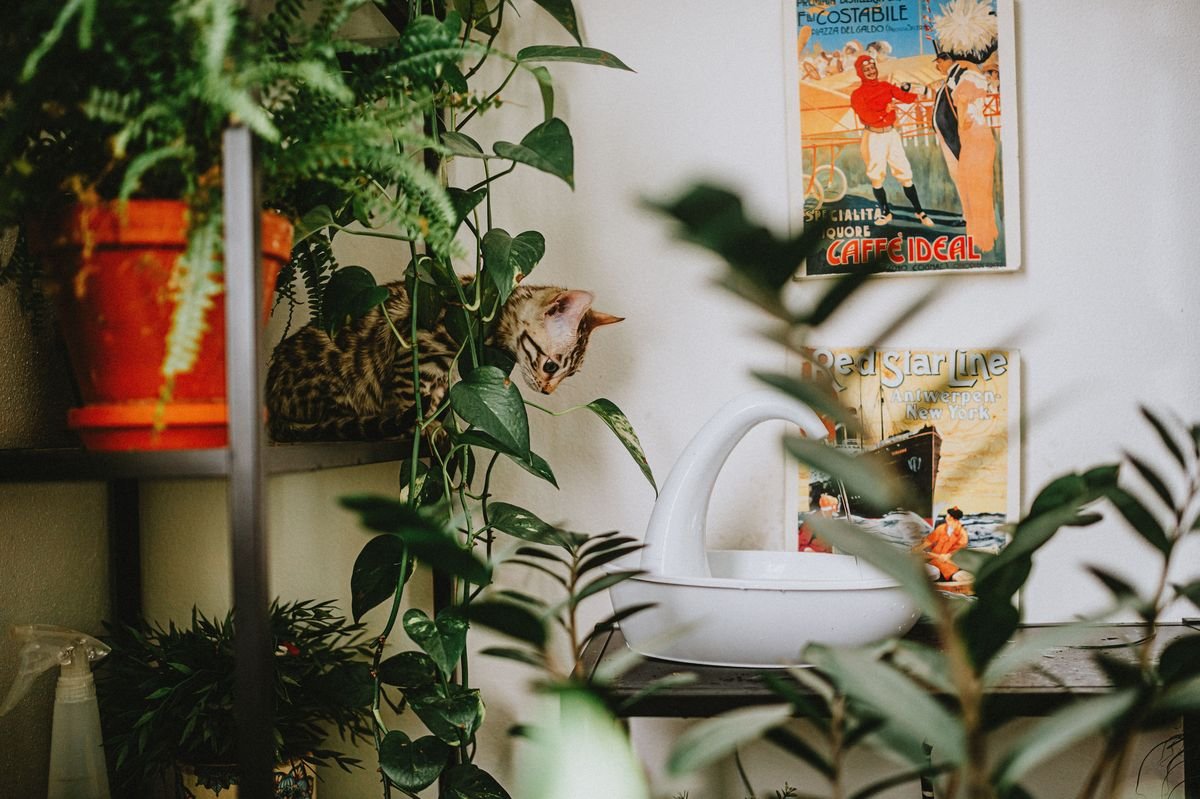
Creating a thriving indoor sanctuary filled with green foliage while maintaining a safe environment for your pets is entirely achievable.
Boston ferns remain one of the finest, most dependable choices for any plant lover who shares their home with companion animals.
Always double-check plant species using reliable veterinary databases before bringing new greenery through your front door.
Keep all your houseplants healthy by providing appropriate humidity, clean watering schedules, and adequate light, while using elevated placement to protect the delicate fronds.
With simple precautions and proper plant selection, you can enjoy a vibrant, pet-friendly urban jungle with complete peace of mind.
How Pet Safe Is Your Current Indoor Plant Setup
Answer 4 quick questions to see your result