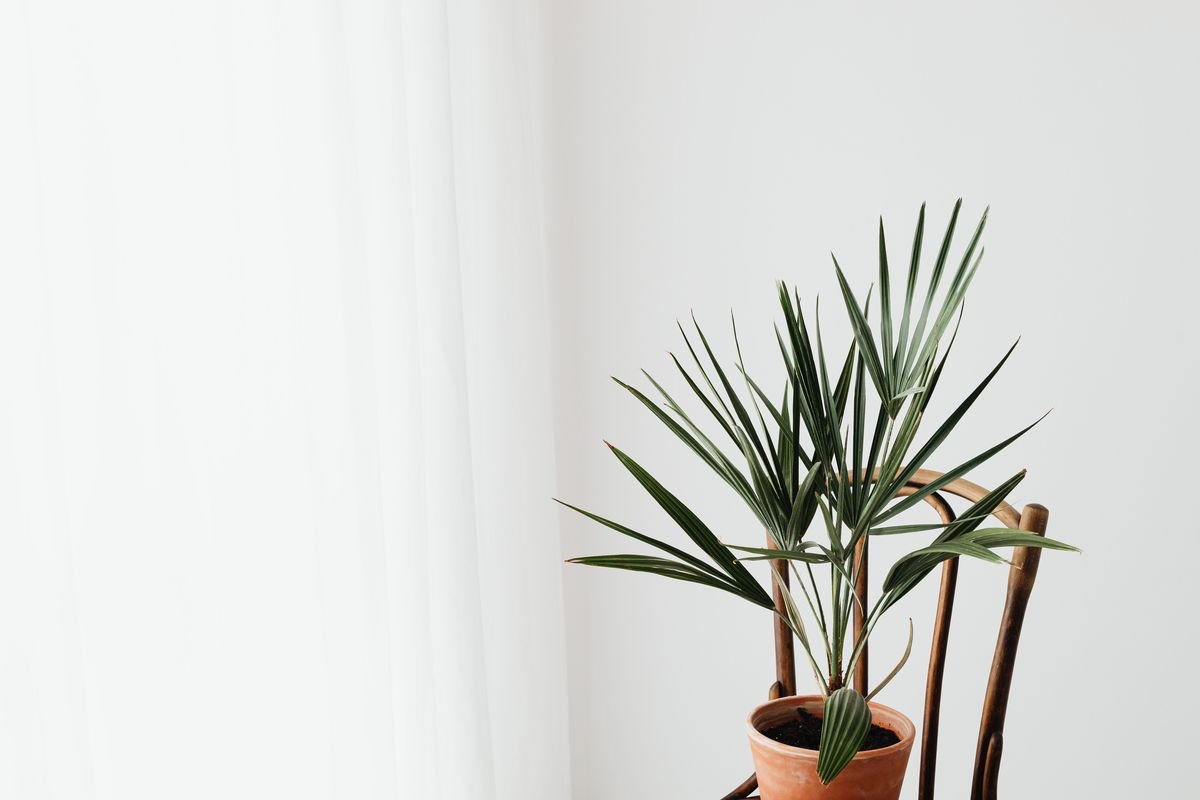
Bringing pets into your home changes how you evaluate your living space. From electrical cords on the floor to the houseplants sitting on your windowsills, everything requires a quick safety check. Cats are notorious for chewing on tempting green fronds, while curious dogs often nibble on low foliage or dig into moist potting soil.
If you love large tropical greenery, the majesty palm is likely on your radar. Before you bring this stately plant through your front door, it is essential to understand whether it poses any health risks to your four-legged companions.
Majesty Palm Safety for Household Pets
The short answer is wonderful news for pet parents. Majesty palms (scientifically known as Ravenea rivularis) are completely non-toxic to cats, dogs, and horses.
The American Society for the Prevention of Cruelty to Animals (ASPCA) confirms that majesty palms contain no toxic alkaloids, oxalates, or poisonous saps. If your dog brushes past the fronds or your cat decides to bite off a leaflet, you do not need to panic.
Even though the plant is entirely non-poisonous, chewing on large amounts of rough plant fiber can still upset a sensitive stomach. Cats and dogs are carnivores by nature, so their digestive systems are not built to process heavy vegetation.
If your cat eats multiple leaves at once, they may experience minor stomach irritation, mild drooling, or vomiting. This reaction is simply a physical response to undigested roughage, not a reaction to chemical poisoning.
Why Cats Love Chewing on Majesty Palms
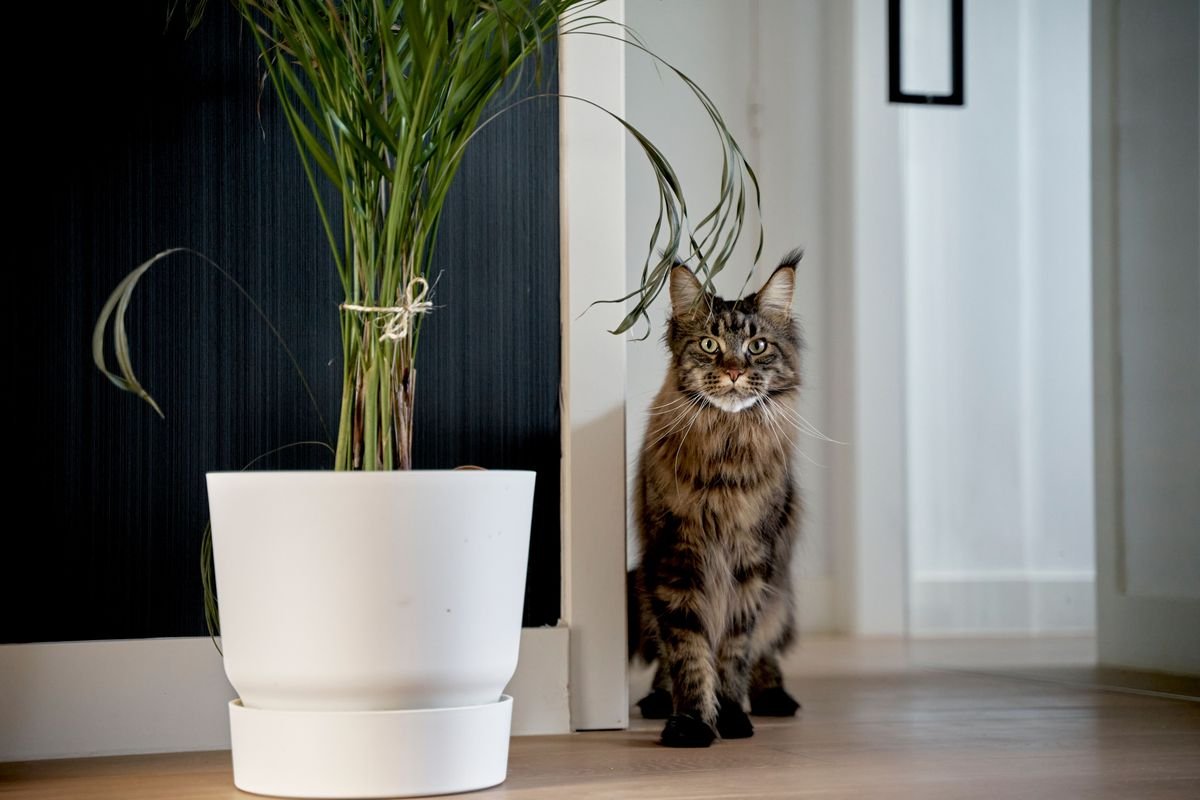
Pet owners frequently notice that cats show an intense attraction to majesty palms compared to other indoor plants. This behavior often puzzles owners who watch their felines treat the plant like an all-day snack bar.
Cats are naturally drawn to the movement and texture of palm foliage. The long, arching fronds sway gently in indoor air currents, mimicking the motion of feathers or toys.
In addition, the thin, blade-like leaflets make a rustling sound that triggers a cat’s predatory instincts. Batting at the leaves often leads directly to biting and chewing.
Boredom or a lack of dietary fiber can also encourage indoor cats to graze on green leaves. Providing cat grass (such as wheatgrass or oat grass) gives your feline a safe, dedicated plant to chew, which helps redirect their attention away from your decorative palms.
Dangerous Palm Lookalikes to Avoid
While the true majesty palm is entirely safe, several other popular indoor plants look very similar and carry extreme risks for household animals. Knowing the difference between these species can save your pet’s life. The most dangerous lookalike is the sago palm (Cycas revoluta). Despite its common name, the sago palm is actually a cycad rather than a true palm tree. Every single part of a sago palm contains cycasin, a potent toxin that causes acute liver failure, severe internal bleeding, neurological symptoms, and death in both dogs and cats. Even consuming a single seed can prove fatal within hours. Here is a quick reference guide to safe versus hazardous palm varieties for pet owners:- Majesty Palm (Ravenea rivularis): True palm, completely non-toxic and safe.
- Areca Palm (Dypsis lutescens): True palm, non-toxic and pet-safe.
- Parlor Palm (Chamaedorea elegans): Compact true palm, non-toxic and pet-safe.
- Ponytail Palm (Beaucarnea recurvata): Succulent plant, non-toxic and pet-safe.
- Sago Palm (Cycas revoluta): Cycad species, extremely deadly to all pets.
- Cardboard Palm (Zamia furfuracea): Cycad species, highly toxic and dangerous.
Light and Temperature Needs for Indoor Palms
Majesty palms are native to the riverbanks of Madagascar, where they enjoy bright sunshine, warm breezes, and high humidity. Replicating these tropical conditions indoors is key to maintaining a vibrant, healthy specimen.
These palms thrive best in bright, indirect sunlight for six to eight hours each day. Placing your plant near an east-facing or south-facing window with sheer curtains provides the ideal light intensity without scorching the delicate fronds.
If the plant receives too much harsh, direct afternoon sun, you will notice bleaching or bleached crispy patches forming on the upper fronds. Conversely, insufficient light results in pale, weak new growth and slow decline.
Keep your majesty palm in a room where temperatures stay consistently between 65 and 85 degrees Fahrenheit. Protect the plant from cold drafts, air conditioning vents, and exterior doorways during the chilly winter months.
Proper Watering and Humidity Care
Watering is the most critical aspect of majesty palm care. Unlike many desert houseplants that prefer their soil to dry out completely, majesty palms require consistent moisture around their roots.
Water your palm thoroughly whenever the top one inch of potting soil feels slightly dry to the touch. Pour water evenly across the surface until moisture flows freely from the container’s bottom drainage holes.
Never allow your majesty palm to sit in standing water inside a saucer. Prolonged waterlogging prevents oxygen from reaching the root zone and quickly leads to root rot.
Low indoor humidity is another common challenge for indoor palm growers. Dry winter air causes the tips of the fronds to turn dry, brown, and brittle.
You can elevate humidity around your palm by using a room humidifier, setting the pot on a shallow pebble tray filled with water, or grouping several tropical plants together to create a localized microclimate.
Soil Mix, Fertilizer, and Potting
A well-draining, nutrient-rich potting medium ensures strong root growth and long-term vitality for your majesty palm.
Use a potting mix formulated with peat moss, perlite, and coarse sand. This combination retains adequate moisture while allowing excess water to escape rapidly from the root zone.
Majesty palms are moderate feeders during their active growing season in spring and summer. Apply a balanced liquid houseplant fertilizer diluted to half strength once every two to three months.
Look for a fertilizer that contains trace micronutrients, especially magnesium and iron. A deficiency in magnesium often causes older leaves to develop distinct yellow bands along their outer edges.
Repot your palm every two years in the spring. Choose a new container that is only two to three inches wider in diameter than the previous pot to avoid overpotting.
How to Protect Your Palm from Pets
Even though majesty palms are non-toxic, an enthusiastic cat or puppy can shred the foliage and leave your decorative plant looking ragged and bare. A few simple physical strategies can help keep your palm intact.
Elevate smaller palms on sturdy plant stands or heavy side tables to keep the lowest fronds out of easy jumping range for puppies and small dogs.
For larger floor plants, cover the exposed surface soil with large, decorative river stones. This stops curious cats from using the pot as a litter box and discourages dogs from digging into the potting soil.
You can also spray the foliage lightly with a pet-safe bitter apple spray or citrus-infused water. Most cats and dogs strongly dislike the scent and taste of citrus, which naturally deters them from chewing.
Finally, make sure your pets have plenty of interactive toys and mental stimulation throughout the day. A well-exercised, engaged pet is far less likely to turn your indoor jungle into their personal playground.
How Pet Safe Is Your Indoor Plant Setup
Answer 4 quick questions to see your result