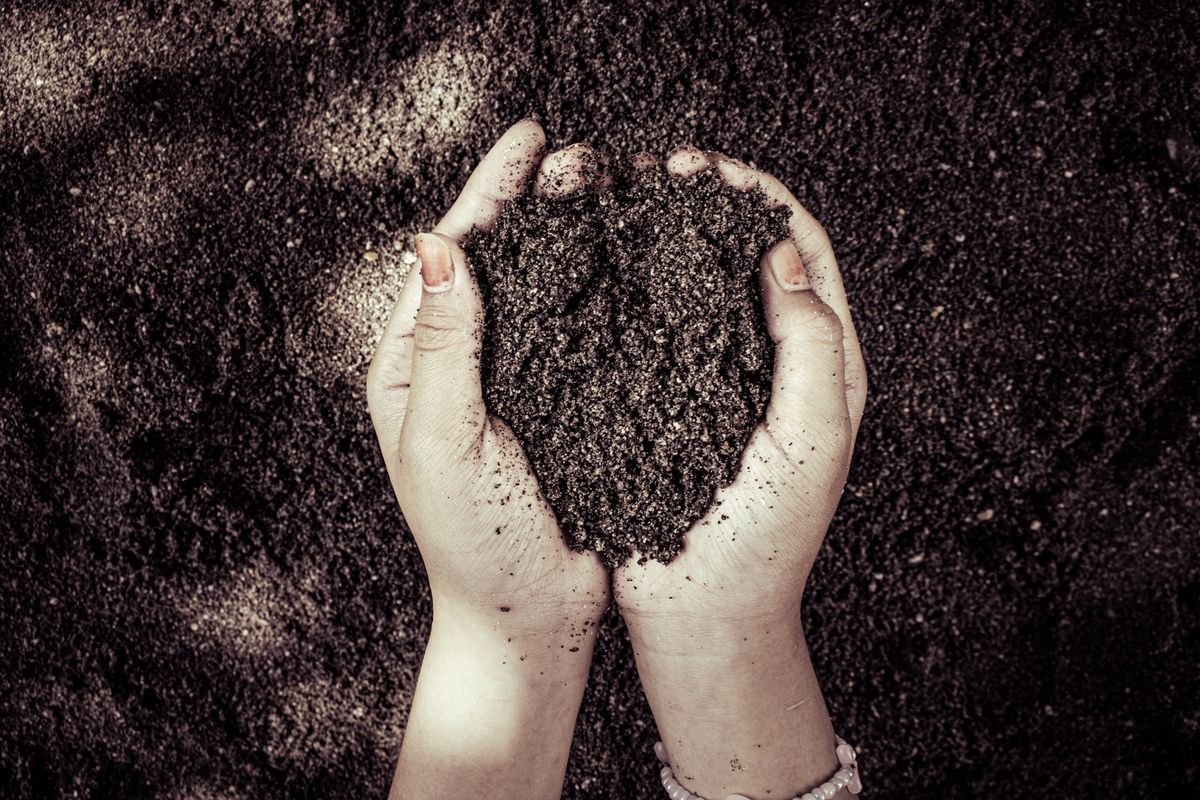
Many beginner and seasoned gardeners use the terms soil and compost as if they were the exact same thing. While both are dark, earthy, and essential for growing lush plants, they play completely different roles in your garden ecosystem.
Soil provides the permanent mineral foundation and structural anchoring that plants need to stand upright and thrive for years. Compost, on the other hand, is a nutrient-dense organic amendment created from decomposed plant and kitchen matter. Knowing when to rely on soil, when to add compost, and how to combine them correctly is one of the most valuable skills you can develop as a grower.
What Soil Really Is
Soil is the naturally occurring, dynamic skin of our planet. It takes hundreds to thousands of years to form just one single inch of topsoil through the slow weathering of bedrock, combined with the accumulation of decayed organic material, moisture, and atmospheric gases.
At its core, natural soil consists of roughly 45 percent mineral particles, 25 percent water, 25 percent air, and about 5 percent organic matter. This intricate matrix creates microscopic pore spaces where plant roots breathe, absorb moisture, and search for dissolved minerals.
Unlike an artificial potting substrate, true outdoor soil is a permanent living habitat. Millions of fungi, beneficial bacteria, nematodes, and earthworms inhabit every handful, continually cycling nutrients and maintaining structural channels beneath the surface.
The Different Mineral Types of Soil
The mineral component of soil is divided into three distinct particle sizes: sand, silt, and clay. The ratio of these three ingredients determines your soil texture and its overall behavior in the garden.- Sand: Sand features the largest, coarsest particles. It feels gritty to the touch and creates large air gaps. While sandy soil drains water quickly and warms up early in the spring, it struggle to hold onto moisture and dissolved fertilizers.
- Silt: Silt particles are medium in size and feel soft or floury when dry and slippery when wet. Silt holds more water and plant nutrients than sand, but it can pack down tightly if disturbed when wet.
- Clay: Clay consists of microscopic, flat mineral plates packed tightly together. Clay feels sticky and moldable. It holds immense amounts of nutrients and moisture, but it drains poorly and easily becomes waterlogged and dense.
The Importance of Loam for Plant Health
When sand, silt, and clay are balanced in roughly equal proportions alongside plenty of organic matter, the resulting mixture is called loam. Loam is widely considered the holy grail of gardening soil.
Loam provides the structural stability and rapid drainage of coarse sand while retaining the rich moisture and nutrient-holding capacity of silt and clay. Roots can penetrate loam effortlessly without meeting impenetrable barriers or drowning in stagnant puddles.
What Compost Really Is
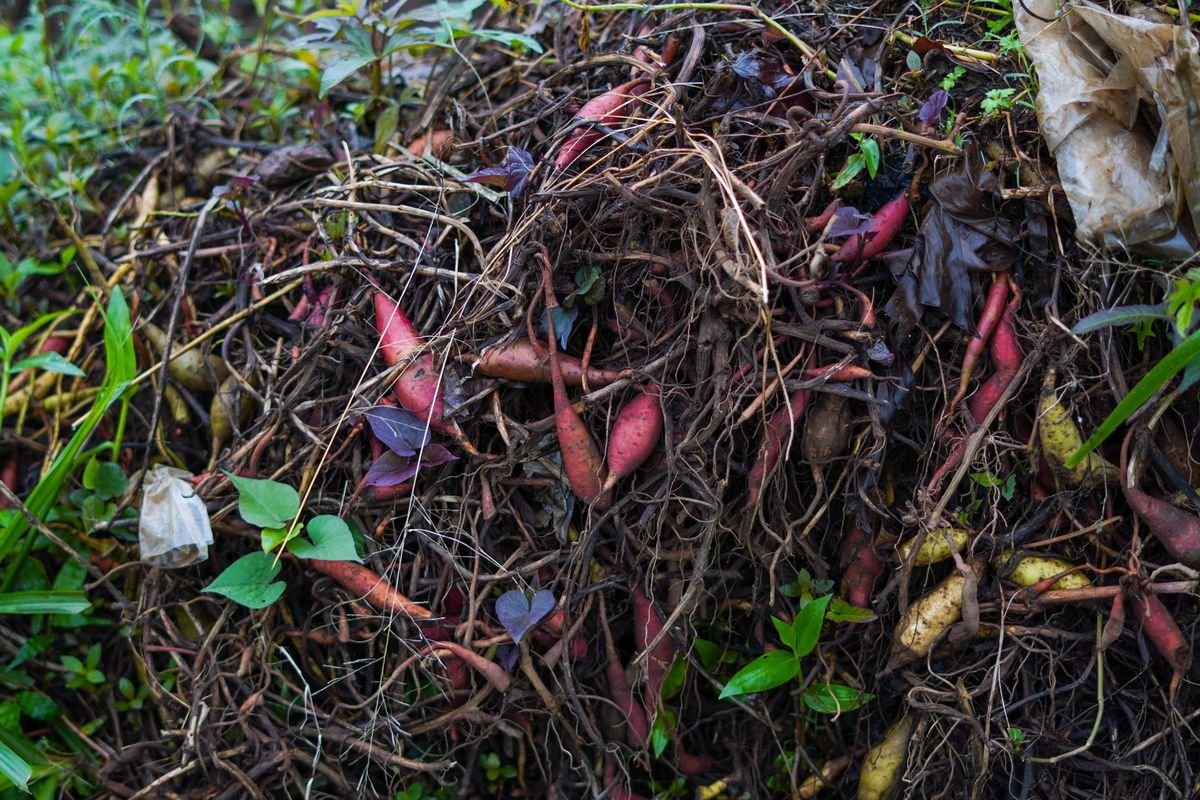
Compost is biologically recycled organic matter. Rather than waiting centuries for rock minerals to weather down into soil, compost is generated in a matter of months through the controlled decomposition of plant debris, animal manures, and kitchen scraps.
During composting, trillions of aerobic bacteria, actinomycetes, and fungi feed on carbon-rich materials (like dried leaves and straw) and nitrogen-rich materials (like vegetable peels and grass clippings). They break these complex organic compounds down into dark, crumbly humus.
Compost is teeming with active microbiological life and humic acids. It acts primarily as a soil conditioner and a biological inoculant rather than a permanent growing base on its own.
How the Composting Process Works
A healthy compost pile undergoes distinct thermal phases. When you assemble balanced amounts of green materials and brown materials with adequate moisture and oxygen, heat-loving thermophilic bacteria rapidly multiply.
These microorganisms generate internal temperatures between 130 and 160 degrees Fahrenheit. This natural heating process is crucial because it neutralizes weed seeds and eliminates harmful plant pathogens.
As the active food sources are consumed, the pile cools down, allowing mesophilic fungi and earthworms to finish curing the material into a sweet-smelling, nutrient-stable soil conditioner.
Key Differences Between Soil and Compost
Understanding how soil and compost differ in their core characteristics helps you make the right choices for your garden beds, containers, and landscape projects.- Origin: Soil is formed over geological time through the weathering of rocks and minerals. Compost is produced in weeks or months through biological decay of organic matter.
- Longevity: Soil minerals are permanent and will not disappear over time. Compost is constantly being consumed by microbes and must be replenished annually.
- Nutrient Availability: Unamended native soil releases minerals slowly. Finished compost delivers an active buffet of macro and micronutrients alongside beneficial microbial enzymes.
- Physical Function: Soil provides structural anchorage to keep plant root systems stable. Compost improves porosity, biological activity, and moisture buffering.
Benefits of Using Healthy Soil
Healthy, uncompacted soil is the bedrock of terrestrial life. When your soil contains good structure and balanced mineral content, it provides critical benefits that keep outdoor gardens self-sustaining.
Soil anchors large root systems, preventing shrubs, perennials, and towering tomato vines from falling over during heavy winds or rainstorms. Its mineral profile provides essential elements like calcium, magnesium, iron, and potassium over an extended time horizon.
Furthermore, deep native soil serves as a moisture buffer during extreme summer heatwaves, protecting deep root zones from rapid temperature swings that would stress plants grown in smaller, isolated substrates.
Benefits of Adding Compost to Your Garden
Compost is widely celebrated as black gold for good reason. It has the miraculous ability to correct almost any soil flaw, whether you are dealing with gritty beach sand or dense, heavy clay.
When added to sandy soil, compost fills the oversized voids, acting like a sponge to capture moisture and soluble plant food before they wash away below the root zone. When worked into dense clay, the organic particles push tightly packed clay platelets apart, opening up passageways for air and water movement.
Compost also inoculates the earth with beneficial fungi and bacteria. These organisms colonize the rhizosphere around plant roots, helping fend off soil-borne fungal diseases like root rot and damping off.
Potential Drawbacks of Native Soil
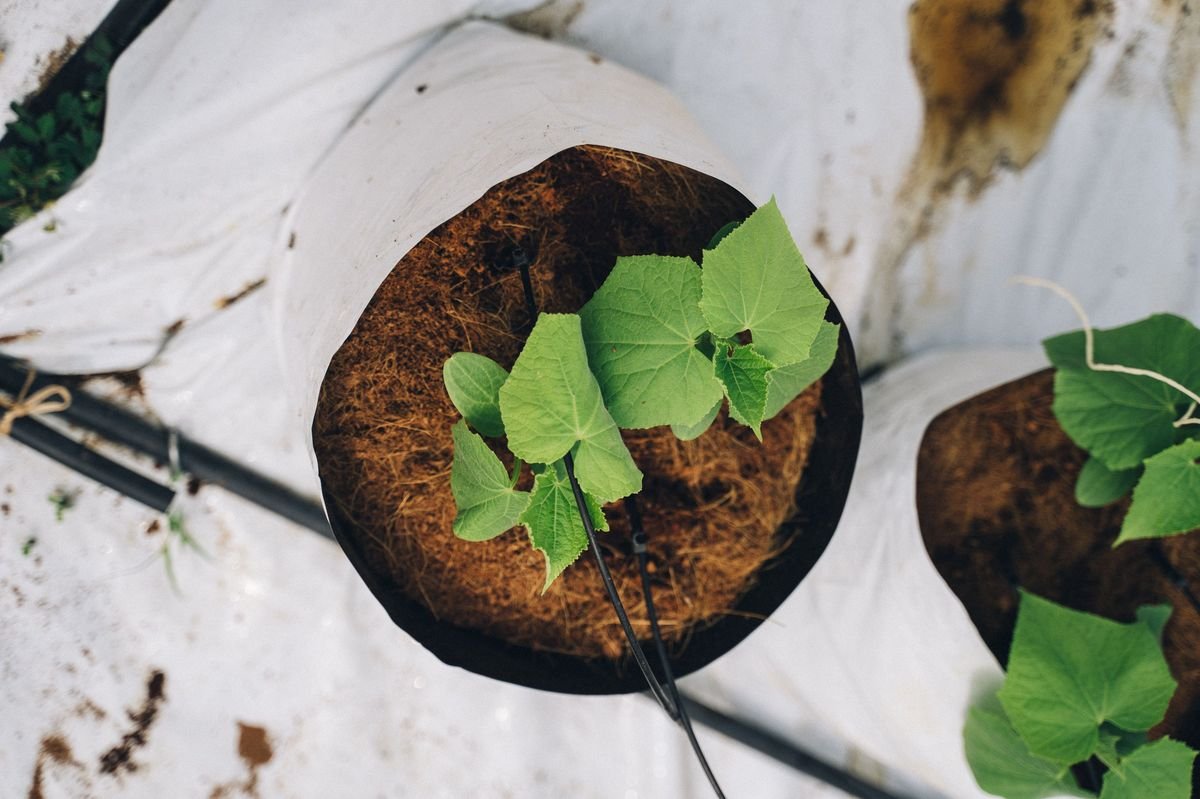
Despite its importance, raw garden soil is not always ready to support delicate crops or container plants straight out of the ground.
In many residential areas, native topsoil has been stripped away during construction, leaving behind compacted, lifeless subsoil. Heavy clay soils can drown root systems during wet periods, leading to yellow leaves, oxygen deprivation, and root rot.
Conversely, extremely sandy soils let water drain so fast that plants suffer from chronic dehydration and nutrient deficiencies. Native soil can also harbor weed seeds, persistent pests, and fungal spores that compromise young seedlings.
Common Problems and Risks with Compost
While compost is an incredible resource, using it incorrectly can lead to frustrating garden setbacks. The most frequent issues arise from using unfinished or improperly managed compost.
Immature compost that has not fully broken down still contains active decomposition chemistry. As microbes continue working, they can tie up available nitrogen from the surrounding ground, leaving your plants pale and stunted. Unfinished compost can also generate organic acids and high levels of ammonia that scorch sensitive roots.
Additionally, compost that never reached sufficient internal heat during its cycle may spread persistent weed seeds, fungal diseases, or residual herbicide residues directly into your planting beds.
Can You Plant Directly in Pure Compost
A common mistake among eager gardeners is filling an entire raised bed or potting container with 100 percent pure compost. While it sounds like a luxurious treat for your plants, it often causes severe problems.
Pure compost is typically too rich in soluble salts for young seedlings and tender feeder roots. Without the structural mineral particles of sand, silt, or perlite, pure compost holds excessive moisture when saturated, yet becomes difficult to rewet once it dries out completely.
As the organic matter continues to break down over the growing season, a bed filled purely with compost will shrink and collapse by 30 to 50 percent in volume. This exposes shallow root systems and destabilizes taller plants. For optimal plant health, compost should always be mixed into mineral soil or potting mixes rather than used as a standalone substrate.
How to Use Soil and Compost Together
The best gardening results happen when soil and compost work as a coordinated team. You can apply compost using several proven methods depending on your garden setup.
For established garden beds, apply a one to two inch layer of finished compost right across the surface once or twice per year. Soil organisms like earthworms will naturally transport the rich organic nutrients down into the root zone without requiring disruptive deep tilling.
When preparing new in-ground or raised vegetable beds, blend roughly 20 to 30 percent compost into the top six to eight inches of your native mineral soil. If you are mixing your own container blends, combine quality topsoil or peat moss with perlite and finished compost to ensure optimal drainage and fertility.
Best Times of Year to Apply Compost
Autumn is one of the very best seasons to top-dress your garden beds with compost. Spreading compost in late autumn acts as an insulating winter blanket, protecting delicate soil microbiology from freezing temperatures and driving rain.
Throughout the cold months, melting snow and gentle rains wash dissolved humic compounds deep into the ground. By the time spring planting arrives, the soil is biologically energized and primed for immediate root growth.
Early spring is another prime application window. Spreading compost two to three weeks before planting gives the soil biology time to activate and stabilize nutrients before young transplants settle in.
Testing and Improving Garden Ground
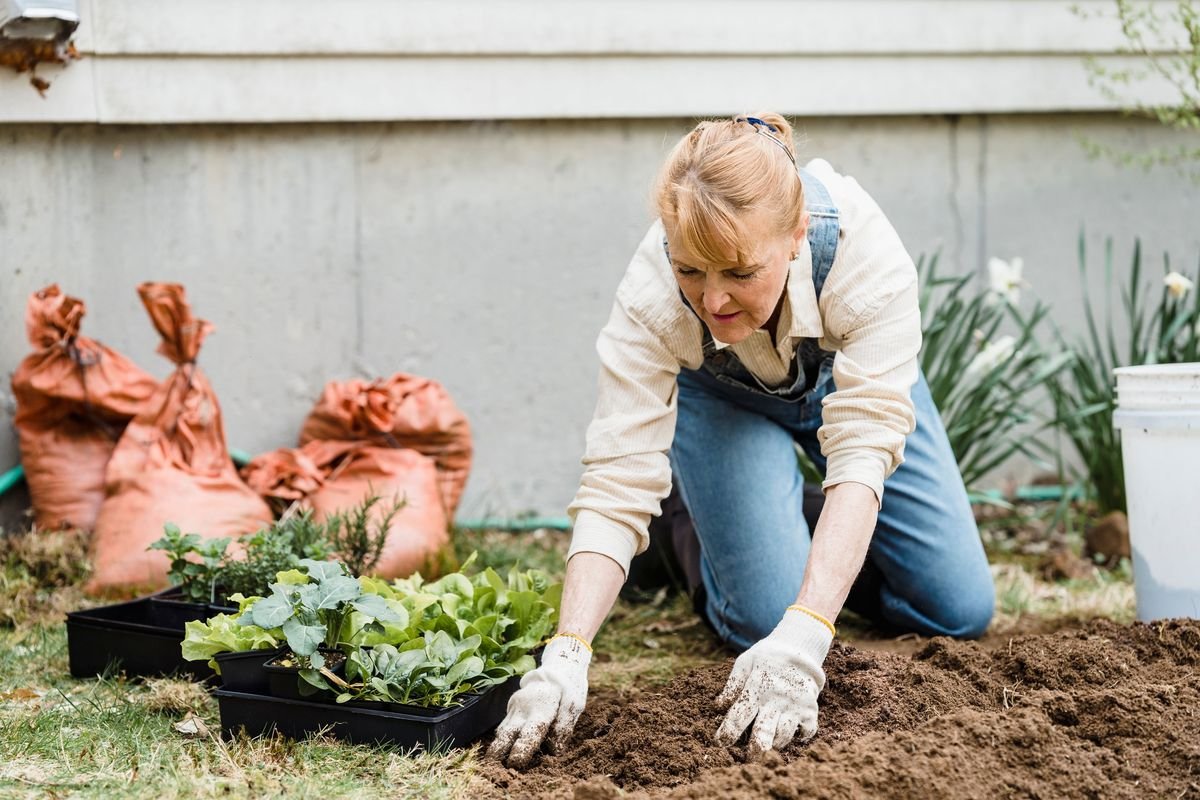
Before making major amendments to your outdoor garden, it is always a smart idea to understand what you are working with under the surface. A simple soil texture test can reveal your sand, silt, and clay proportions in just a couple of days.
You can perform a basic shake test by placing a cup of garden soil into a clean glass jar with water and a drop of dish soap. Shake vigorously for one minute and let it settle on a flat surface. Sand settles to the bottom within one minute, silt forms a middle layer within two hours, and clay forms the top layer over 24 to 48 hours.
Once you know your soil texture, you can tailor your compost applications precisely. Heavy clay and coarse sand both benefit from steady, annual additions of organic matter, gradually transforming difficult ground into balanced, highly productive loam.
Does Your Garden Need Soil or Compost?
Answer 4 quick questions to see your result