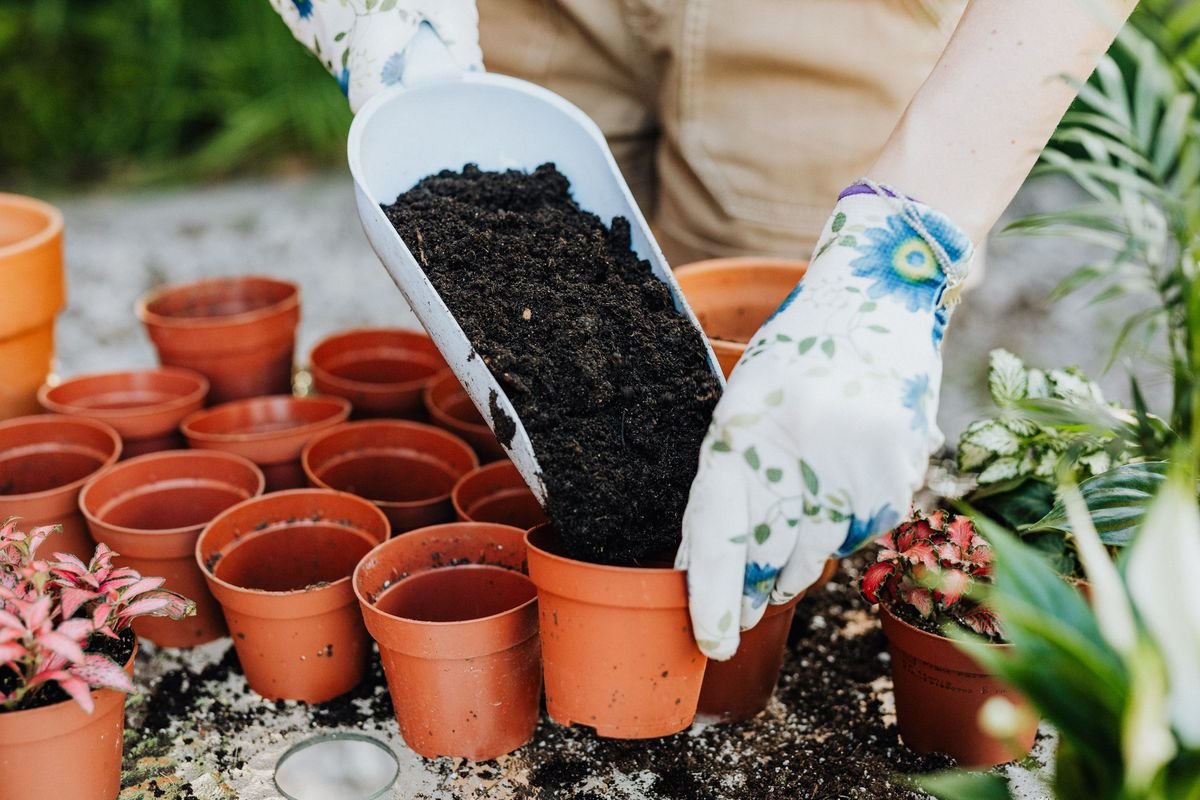
Every gardener eventually finds themselves holding a half-empty bag of potting mix and looking at an empty patch of ground in their yard. You might wonder if you can simply dump that container mix into your flower bed or vegetable patch, or if doing so will cause unforeseen problems for your plants.
The short answer is yes, you can safely use potting soil in the ground. However, understanding what potting soil contains, how it behaves in an outdoor landscape, and why it differs from topsoil will help you make the smartest, most budget-friendly decisions for your garden.
What Potting Soil Is Made Of
Despite its common name, commercial potting soil often contains no actual outdoor soil at all. Manufacturers design potting mixes specifically for plants growing in confined containers, which requires a very different physical structure than an open garden bed.
Most commercial potting mixes are soilless blends made up of peat moss, coconut coir, composted bark, and pine needles. These organic materials create a soft, spongy structure that holds moisture while letting roots spread easily.
Potting soil also includes lightweight mineral components designed to prevent compaction, along with small amounts of starter fertilizers or wetting agents to help dry peat absorb water properly.
The Role of Perlite and Vermiculite
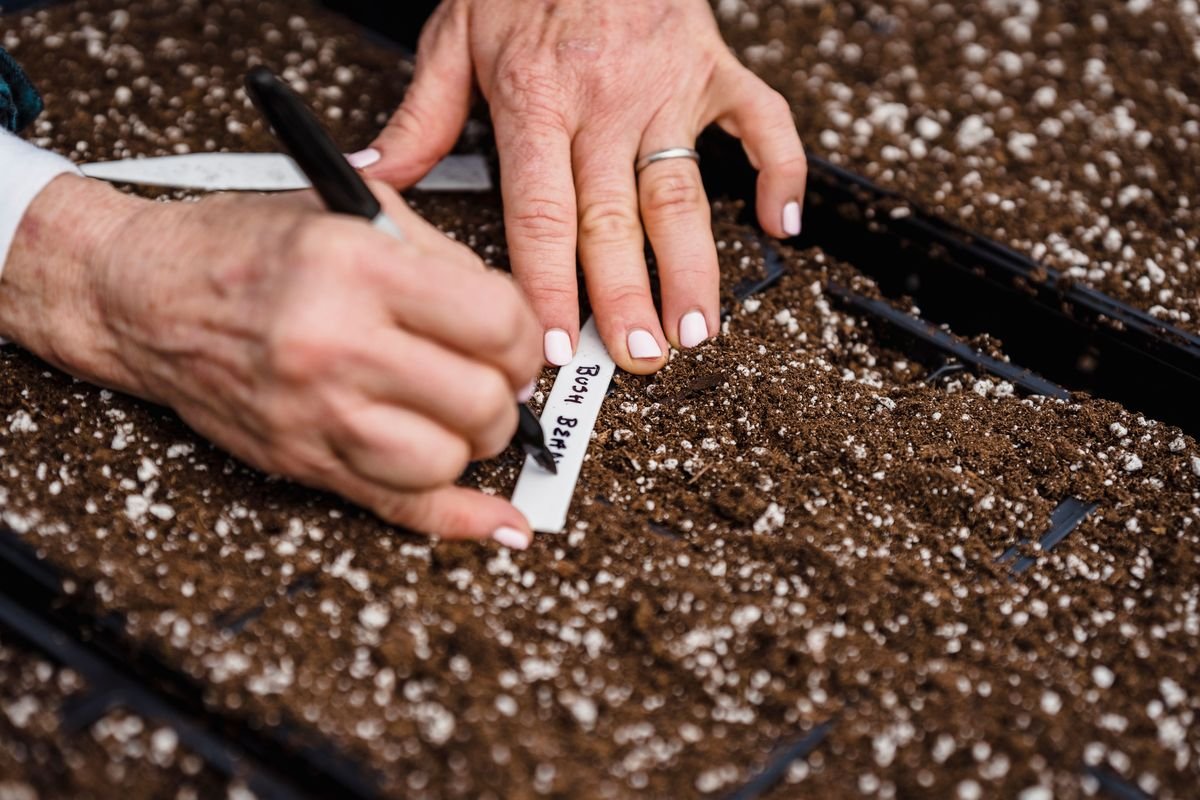
When you inspect a handful of potting soil, you will almost certainly spot small white granules that look like tiny pieces of foam. Many beginner gardeners mistake these for plastic or styrofoam, but they are actually a natural mineral called perlite.
Perlite is volcanic glass that has been heated until it pops like popcorn, creating an extremely light, airy material. It prevents potting soil from packing down tightly around roots, ensuring that oxygen can reach the root system after heavy watering.
Another common ingredient is vermiculite, which appears as shiny, golden-brown flakes. Vermiculite is a mined silicate mineral that expands under heat, acting like a sponge to hold water and nutrients within the container. Both perlite and vermiculite are completely safe, non-toxic, and harmless when mixed into outdoor garden beds.
Why Potting Mix Works in Containers
Container plants face harsh environmental challenges that in-ground plants never experience. Because a pot has solid walls and a limited base, water tends to pool near the bottom, creating what horticulturists call a perched water table.
If you fill a pot with heavy outdoor dirt, the fine particles settle into a dense, muddy layer that suffocates roots and leads to rapid root rot. Potting soil solves this problem by maintaining large pores and airspace even when fully saturated with water.
In addition, commercial potting mixes are sterilized during production to eliminate weed seeds, fungal spores, parasitic nematodes, and harmful insect larvae. This sterile environment gives fragile young houseplant roots and potted seedlings a clean space to establish without competition.
Putting Potting Soil in Garden Beds
You can mix leftover potting soil into your outdoor garden beds without worrying about damaging your plants or poisoning the surrounding environment. The ingredients in potting soil are organic and mineral materials that naturally break down over time.
If you are transplanting a potted plant into the ground, you do not need to wash the root ball or strip the potting soil away before placing it in the planting hole. Leaving the root ball intact helps cushion the plant against transplant shock.
Similarly, if you have old pots at the end of the growing season, dumping that spent potting mix into an outdoor garden bed or compost pile is a great way to recycle the material instead of throwing it in the trash.
Why Cost Is a Major Factor
While potting soil is completely safe for outdoor use, using it to fill large garden beds or raised planters is rarely practical from a financial standpoint.
Potting soil undergoes intensive processing, blending, and sterilizing, which makes it significantly more expensive per cubic foot than topsoil or bulk garden compost. A single large bag of potting soil can cost three to four times more than standard garden soil.
If you need to fill an entire in-ground garden plot, purchasing topsoil or bulk compost from a local landscaping supplier will save you a substantial amount of money while providing better long-term soil structure for outdoor plants.
How Potting Soil Affects Soil Structure
Dumping small amounts of potting mix into your garden will help loosen hard clay and improve moisture retention in sandy areas. However, adding large pockets of unblended potting soil directly into in-ground holes can cause issues with water flow.
Because potting soil is much lighter and more porous than surrounding native dirt, water may struggle to move across the boundary between the two soil types. During heavy rains, the loose potting mix can absorb water faster than the surrounding clay can drain it, turning the planting hole into a waterlogged bowl.
Conversely, if peat-heavy potting mix dries out completely, it becomes hydrophobic, repelling water and allowing moisture to run off around the root ball instead of soaking in. To prevent these interface issues, always blend potting mix thoroughly with the native outdoor soil rather than leaving it in a concentrated pocket.
Better Ways to Improve Outdoor Dirt
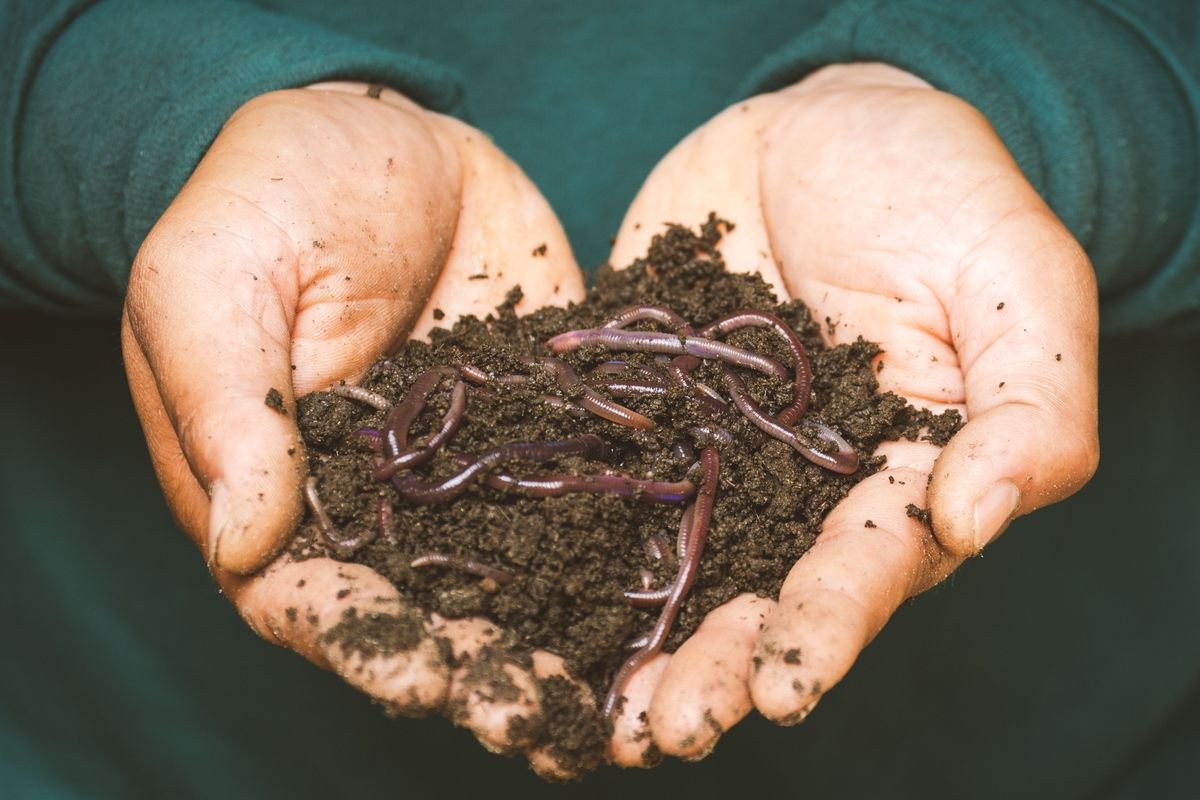
- Finished compost: Rich in beneficial microbes, organic matter, and balanced nutrients that feed the soil food web.
- Well-rotted manure: Provides active organic matter and steady nitrogen for heavy-feeding vegetables and flowers.
- Leaf mold: Decomposed deciduous leaves that dramatically improve soil structure and water retention without altering pH drastically.
- Aged wood chips: Excellent for breaking up dense clay beds when layered as mulch on top of the soil.
Essential Amendments for In Ground Beds
When garden soil lacks specific nutrients, adding potting soil will not provide a targeted fix. Conducting a simple home soil test will tell you exactly which minerals your garden requires. Depending on your test results, you can use targeted organic amendments to correct specific soil deficiencies:- Blood meal: A fast-acting source of organic nitrogen to boost leafy green growth.
- Bone meal: Rich in phosphorus and calcium to encourage root development and heavy flowering.
- Fish emulsion: A gentle liquid fertilizer offering nitrogen, phosphorus, and trace minerals.
- Agricultural lime: Raises soil pH in overly acidic ground and supplies calcium.
- Elemental sulfur: Lowers soil pH for acid-loving plants like blueberries and azaleas.
- Epsom salt: Supplies magnesium and sulfur to plants showing signs of interveinal chlorosis.
Problems With Using Garden Dirt in Pots
While you can put potting soil into the ground without problems, doing the reverse and placing native garden dirt into a container is almost always a mistake.
Garden soil contains fine clay, silt, and heavy minerals that pack down tightly inside the restricted boundaries of a pot. Every time you water, the soil settles further, squeezing out air pockets and suffocating plant roots.
In addition, unsterilized garden dirt brings outdoor pests directly into your home. Fungus gnat larvae, spider mites, weed seeds, and harmful soil fungi like Pythium can quickly overrun an indoor houseplant collection.
How to Sterilize Garden Soil at Home
If you are in a pinch and must use native outdoor soil for container plants, you should sterilize it first to kill weed seeds and harmful organisms.- Collect clean garden soil and moisten it slightly until it barely holds a shape when squeezed in your hand.
- Spread the soil in a metal baking pan to a depth of no more than three or four inches.
- Cover the pan tightly with aluminum foil and insert an oven-safe meat thermometer through the center.
- Bake at 180 degrees Fahrenheit for 30 minutes once the internal temperature reaches 180 degrees.
- Allow the soil to cool completely to room temperature before handling.
Best Uses for Leftover Potting Mix
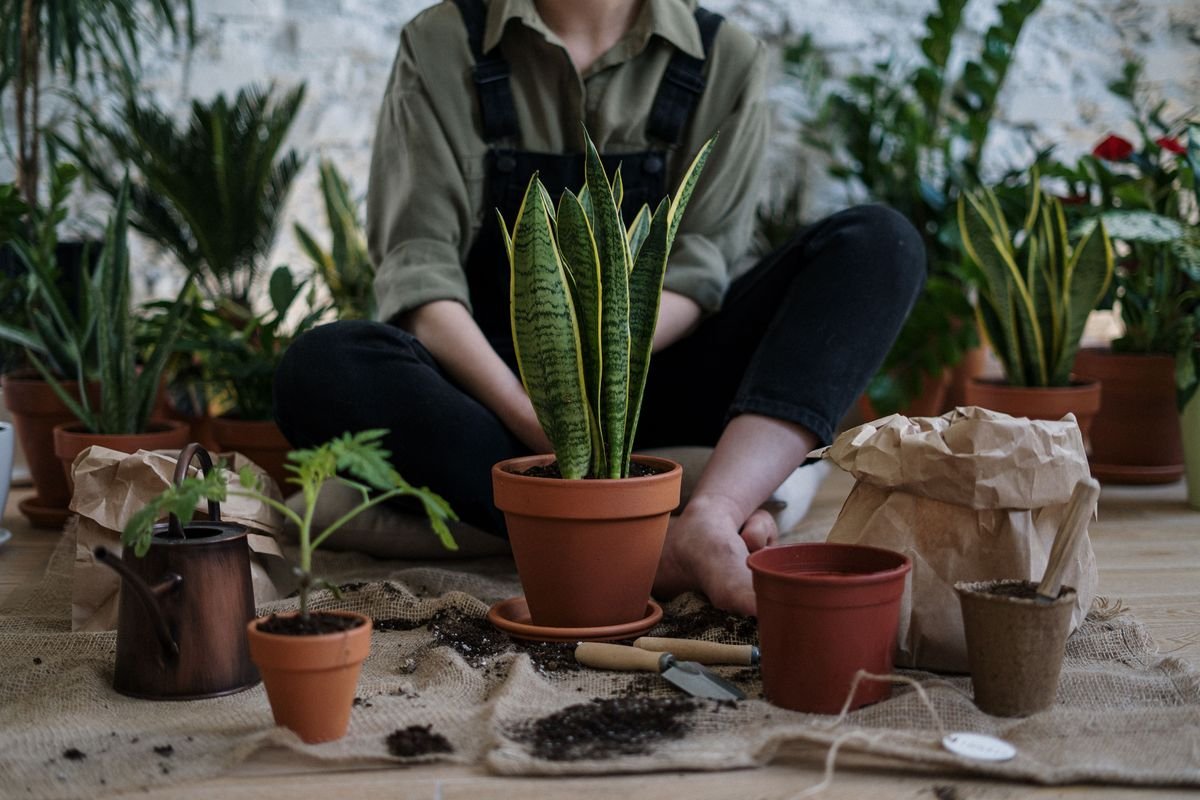
If you have half-used bags of potting soil sitting in your shed, there are several practical ways to put them to good use around your property.
You can use fresh potting soil to start vegetable seeds indoors during early spring, since seedlings require a sterile, loose growing medium to sprout successfully.
Leftover mix also works well for top-dressing tired houseplants, filling patio planters, or blending into outdoor compost piles to add carbon-rich organic matter. By matching your soil type to your specific planting project, you will save money and give your plants the ideal foundation for vigorous growth.
Is Your Garden Soil Ready for Planting?
Answer 4 quick questions to see your result