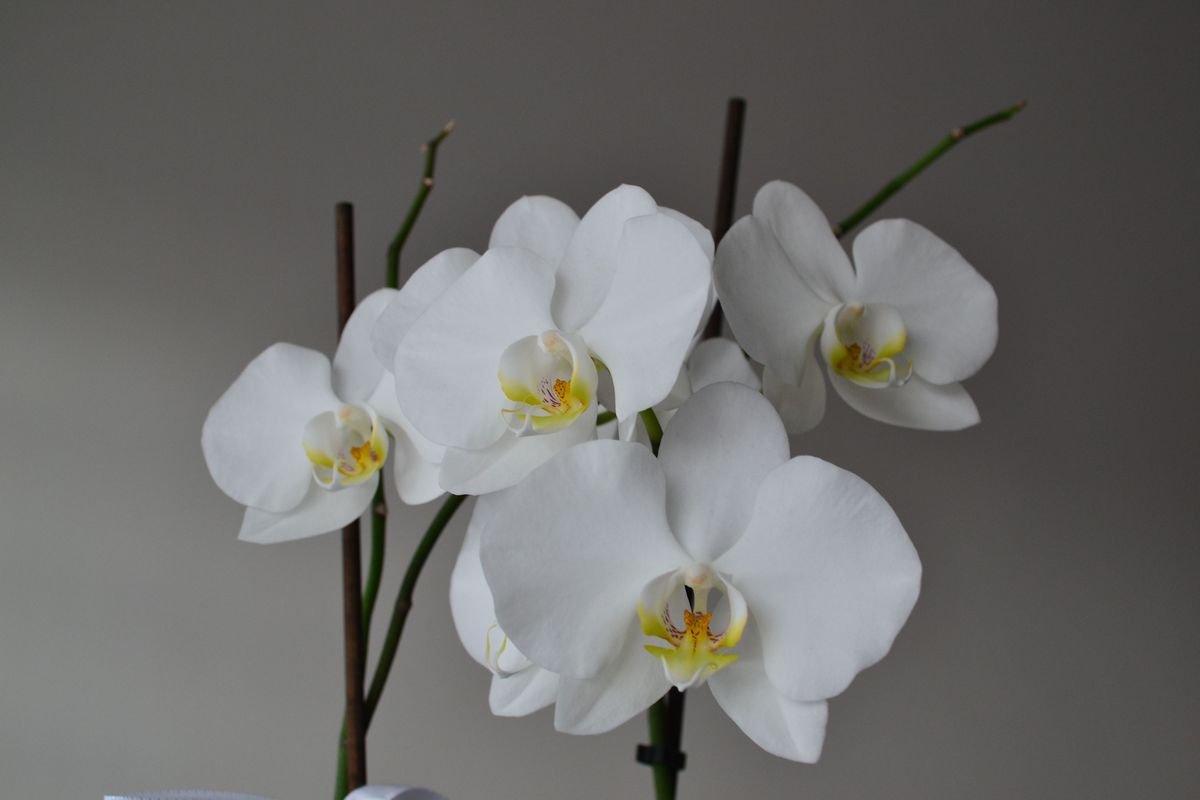
Few houseplants bring the same level of grace and elegance to a living room as a flourishing orchid in full bloom. Their exotic shapes and vibrant colors make them an instant favorite for both beginner plant parents and seasoned indoor gardeners. When you bring one home, it is completely natural to wonder how long those exquisite petals will stick around.
While every flower has a natural lifespan, the right daily care can keep your orchid blossoms looking fresh and vibrant for months. In this complete guide, we will explore the typical bloom duration for popular orchid varieties and walk through practical steps to prolong their flowering period.
The Typical Lifespan of an Orchid Plant
A common misconception among beginner plant owners is that an orchid is a short lived gift plant meant to be thrown away after the flowers drop.
In reality, orchids are perennial plants with impressive longevity. When provided with proper care, an indoor orchid can easily live for ten, fifteen, or even twenty years or more.
During its life, the plant cycles through distinct periods of vegetative growth, flower spike development, full bloom, and rest. Understanding this natural cycle is the key to enjoying dozens of bloom seasons over many decades.
How Long Do Orchid Blooms Actually Last
The duration of an orchid bloom depends heavily on the specific genus and species you are growing at home.
For the widely popular Phalaenopsis, or moth orchid, individual flowers can remain open and fresh for anywhere from one to three months. In ideal conditions, a healthy spike with multiple opening buds can provide continuous color for up to four months.
Other varieties have different schedules. For example, Cattleya blossoms often last two to four weeks, while Dendrobium flowers can stay vibrant for six to eight weeks. Some rare varieties might only open for a few days, but their fragrance and beauty make every hour worthwhile.
The Orchid Bloom Cycle Explained
To understand how to keep flowers open longer, it helps to understand the energy demands of the blooming cycle.
Producing and maintaining a heavy spike of blooms requires a massive amount of stored energy from the roots and leaves. The plant directs almost all of its resources toward petal health and reproductive structures during this time.
Once the blossoms naturally fade, the plant enters a necessary vegetative phase. During this rest period, the orchid grows new leaves and thickens its root system to store energy for the next flowering season.
Provide the Right Amount of Bright Indirect Light
Light exposure is perhaps the single most critical factor in both initiating blooms and keeping them healthy.
Orchids need ample bright, indirect sunlight to sustain their colorful petals without drying out or scorching. A spot near an east facing window where the plant receives soft morning rays is often the sweet spot.
Direct, harsh midday sunlight through an unshaded southern or western window can quickly burn delicate petals and leave bleached spots on the leaves. If you only have south or west facing windows, sheer curtains work wonders to filter the intense rays.
How to Read Orchid Leaf Color for Clues
Your orchid leaves act as a built in light meter that tells you exactly how the plant feels about its lighting.
Healthy orchid foliage should be a bright, grassy green shade. This indicates the plant is receiving optimal light levels to fuel its flowers.
If the foliage turns a dark forest green, the plant is struggling with insufficient light and may drop buds prematurely. Conversely, leaves that turn pale yellowish green or develop reddish purple margins are receiving far too much direct sunlight.
Maintain Consistent Indoor Temperatures
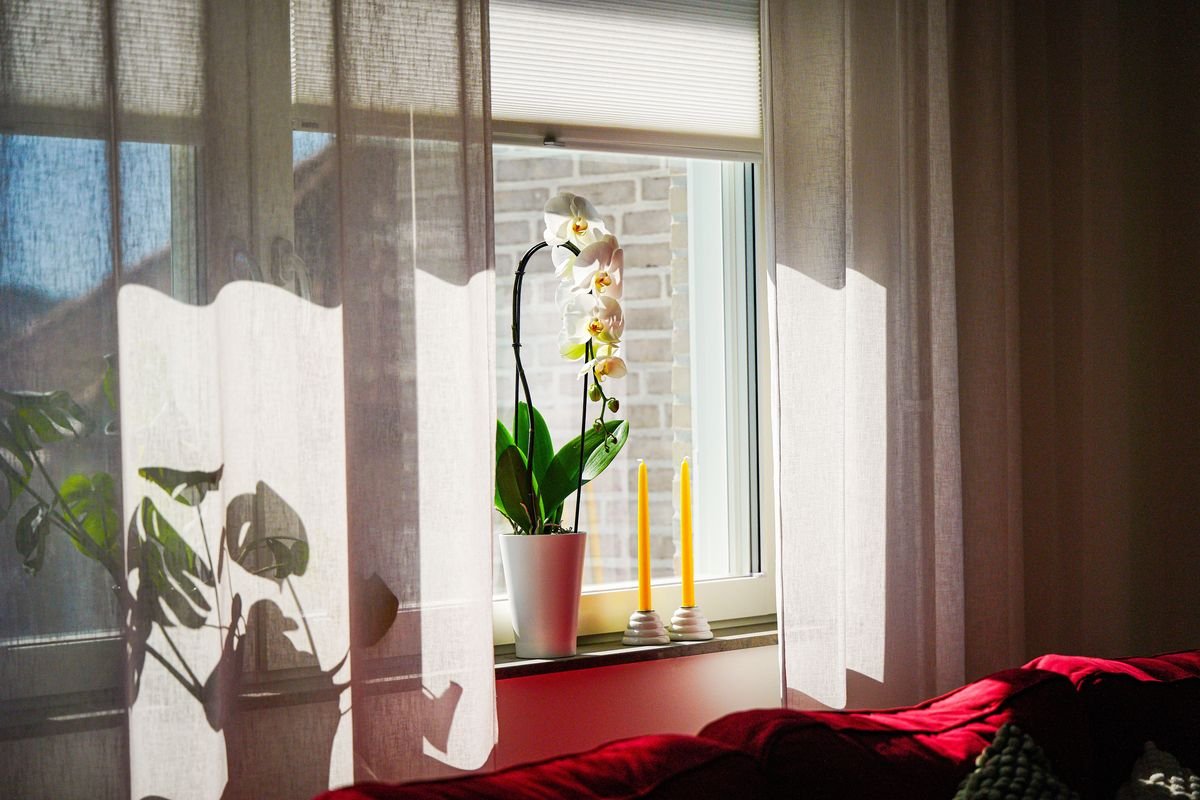
Orchids are sensitive to sudden temperature fluctuations, which can shock open blossoms into wilting early.
Most tropical indoor orchids thrive in daytime temperatures between 68 and 78 degrees Fahrenheit (20 to 25 degrees Celsius). At night, they prefer a moderate drop to around 60 to 65 degrees Fahrenheit (15 to 18 degrees Celsius).
Avoid placing your blooming plant directly under heating ducts, beside air conditioning vents, or near drafty exterior doors. Rapid temperature swings create stress that signals the plant to shed its blooms to protect its core.
Master Proper Orchid Watering Techniques
Watering mistakes are the leading cause of premature blossom drop and root decline in houseplants.
Orchids do not grow in standard potting soil in the wild, but rather perch on tree bark where their roots dry out quickly between rain showers. When grown in pots, their roots need the same rhythm of thorough soaking followed by thorough drainage.
Water your orchid only when the potting medium is nearly dry to the touch, which typically happens every seven to ten days depending on your home climate.
The Best Way to Soak and Drain Your Plant
To water your orchid safely, take the inner plastic nursery pot out of its decorative ceramic container.
Place the plastic pot in a sink and run tepid water gently over the bark medium for 15 to 30 seconds, ensuring the entire root zone is saturated. Avoid getting water inside the center crown where leaves meet the stem, as trapped moisture leads to crown rot.
Let the pot drain completely for ten minutes before returning it to its decorative pot. Never allow the orchid roots to sit in a pool of standing drainage water.
Why You Should Avoid Watering With Ice
While using ice cubes has become a popular social media hack, it is generally harmful to tropical orchid roots.
Tropical orchids originate in warm rainforests and are completely unaccustomed to freezing temperatures. Ice placed directly against the roots can cause cellular damage and shock the plant, causing developing buds to blast and open flowers to collapse.
Stick to room temperature or lukewarm tap water to keep the root system comfortable and active.
Increase Ambient Humidity Around the Foliage
Orchids flourish in moderate to high humidity levels between 50 and 70 percent. Most modern homes, especially during winter heating months, drop well below 30 percent humidity. This dry indoor air pulls moisture directly out of delicate flower petals, causing them to wrinkle and drop prematurely. To boost humidity around your orchids, you can use several simple methods:- Set your pots on a shallow tray filled with pebbles and water, making sure the bottom of the pot stays above the water line.
- Group multiple indoor plants together to create a microclimate of natural transpiration.
- Run a small cool mist room humidifier near your plant display during dry winter months.
Inspect and Care for the Root System
The overall longevity of your orchid flowers is a direct reflection of root health below the surface.
Healthy orchid roots are plump, firm, and silvery green when dry, turning a vibrant emerald green immediately after watering. They are covered in a spongy layer called velamen that absorbs moisture and airborne nutrients.
If you see roots that are brown, mushy, or hollow and papery, the plant is experiencing root rot from overwatering. Damaged roots cannot supply sufficient moisture to support heavy bloom spikes.
Choose the Best Potting Medium and Container
Orchids require exceptional airflow around their root systems to prevent fungal diseases and root suffocation.
Never pot an epiphytic orchid in standard dense potting soil. Instead, use a specialized orchid blend made of chunky fir bark, perlite, horticultural charcoal, and coarse sphagnum moss.
Clear plastic pots with ample drainage slits on the sides and bottom are ideal. Clear pots allow you to inspect root condition at a glance and let the roots perform photosynthesis as they would in nature.
Protect Flowers From Ethylene Gas and Drafts
An often overlooked cause of rapid flower loss is exposure to ethylene gas, a natural plant hormone.
Ripening fruits such as bananas, apples, and tomatoes emit significant amounts of ethylene gas into the surrounding air. When flowering orchids are placed in the kitchen near a fruit bowl, the gas accelerates petal aging and causes unopened buds to yellow and drop.
Keep your blooming orchids in living areas far away from ripening fruit displays and avoid exposing them to cigarette smoke or burning fireplace exhaust.
Fertilize Correctly During Active Growth
Proper nutrition gives your orchid the fuel it needs to build strong flower spikes and long lasting blooms.
During the active vegetative growth phase, feed your plant with a balanced water soluble orchid fertilizer diluted to one quarter of the recommended strength. Apply this weak fertilizer solution every two to three weeks.
Once flower buds are fully formed and begin opening, pause heavy fertilizing. Feeding an orchid during full bloom can sometimes shorten blossom lifespan by pushing the plant prematurely into vegetative leaf growth.
What to Do When the Flowers Drop
When your orchid finally sheds its last blossom, there is no need to worry or discard the plant.
The dropping of petals simply marks the natural conclusion of that flowering cycle. Your plant is healthy, alive, and ready to rest and gather strength for its next display.
This is the ideal time to evaluate the plant, prune the flower spike, inspect the roots, and decide if repotting is necessary.
Pruning Flower Spikes for Future Blooms
How you trim the remaining flower stem depends on the variety and condition of the spike.
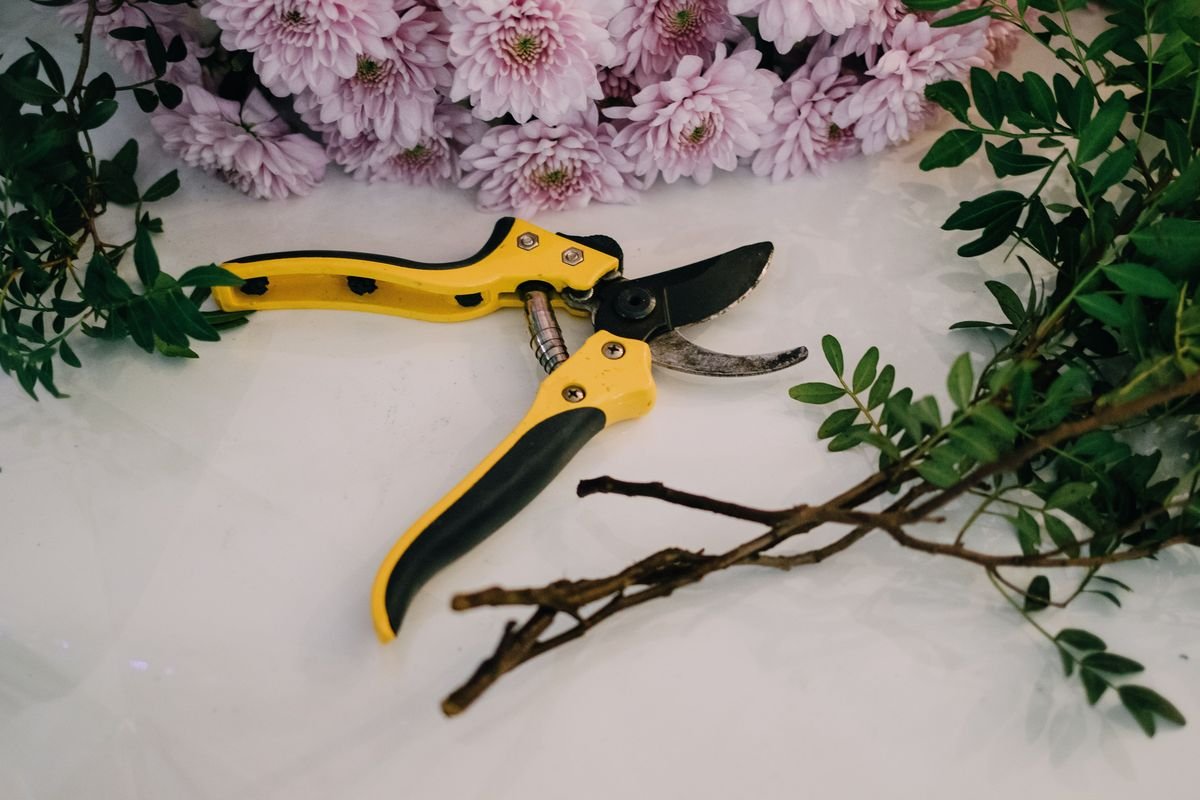
On Phalaenopsis orchids, if the spike remains green and plump, you can trim the stem roughly half an inch above a healthy dormant node. This technique often stimulates a secondary side branch that produces another round of smaller blooms in a few months.
If the flower spike turns brown, brittle, and dry, the plant has finished with it entirely. In this case, use clean, sterilized shears to cut the stem completely back to the base of the plant near the leaves.
How to Encourage Your Orchid to Rebloom
Getting an orchid to rebloom year after year is one of the most rewarding parts of plant ownership.
Most orchids set new flower buds in response to seasonal temperature shifts in the autumn. To trigger the formation of a new flower spike, expose the plant to nighttime temperatures between 55 and 62 degrees Fahrenheit (13 to 17 degrees Celsius) for about three to four weeks.
Combine this gentle cool down with bright indirect light, and your orchid will soon send up a fresh, sturdy green spike from between its leaf nodes.
Common Orchid Blooming Mistakes to Avoid
Even attentive plant owners sometimes make small errors that shorten the lifespan of orchid flowers. Here are the most frequent pitfalls to watch out for in your plant care routine:- Overwatering and allowing the root system to sit in stagnant moisture.
- Moving the plant frequently while buds are developing, which causes disorienting stress.
- Misting open flowers with water, which invites botrytis petal blight and spotty fungus.
- Placing plants in dark interior corners with inadequate ambient lighting.
- Using harsh, concentrated fertilizers that burn tender root tips.
Frequently Asked Questions About Orchid Blooms
Here are direct answers to some of the most common questions indoor gardeners ask about keeping orchid flowers fresh.
How many times per year will a Phalaenopsis orchid bloom? Most healthy orchids bloom once per year on an annual cycle. However, some vigorous plants can bloom twice or produce continuous flowers across six months with secondary spikes.
Why did my orchid buds turn yellow and fall off before opening? This issue is known as bud blast. It is typically caused by sudden temperature drafts, low ambient humidity, under watering, or exposure to ethylene gas from fruit bowls.
Can cut orchid stems last in a vase? Yes, fresh cut orchid stems can last anywhere from two to four weeks in clean water when trimmed under water and kept away from direct sun.
How Healthy Is Your Orchid Bloom Care Routine?
Answer 4 quick questions to see your result