Gardenias and magnolias are two of the most cherished flowering plants in outdoor landscaping. Both produce stunning, fragrant blossoms that instantly elevate the curb appeal of any home. If you are planning your garden layout, you might wonder how these two iconic plants truly differ.
While they share a reputation for southern charm and elegant blooms, their size, growth habits, and climate tolerances are remarkably distinct. Understanding these details will help you select the exact specimen that matches your yard space and local weather conditions.
Flower Shapes and Colors
The blossoms of gardenias and magnolias offer distinct visual appeal in the garden.
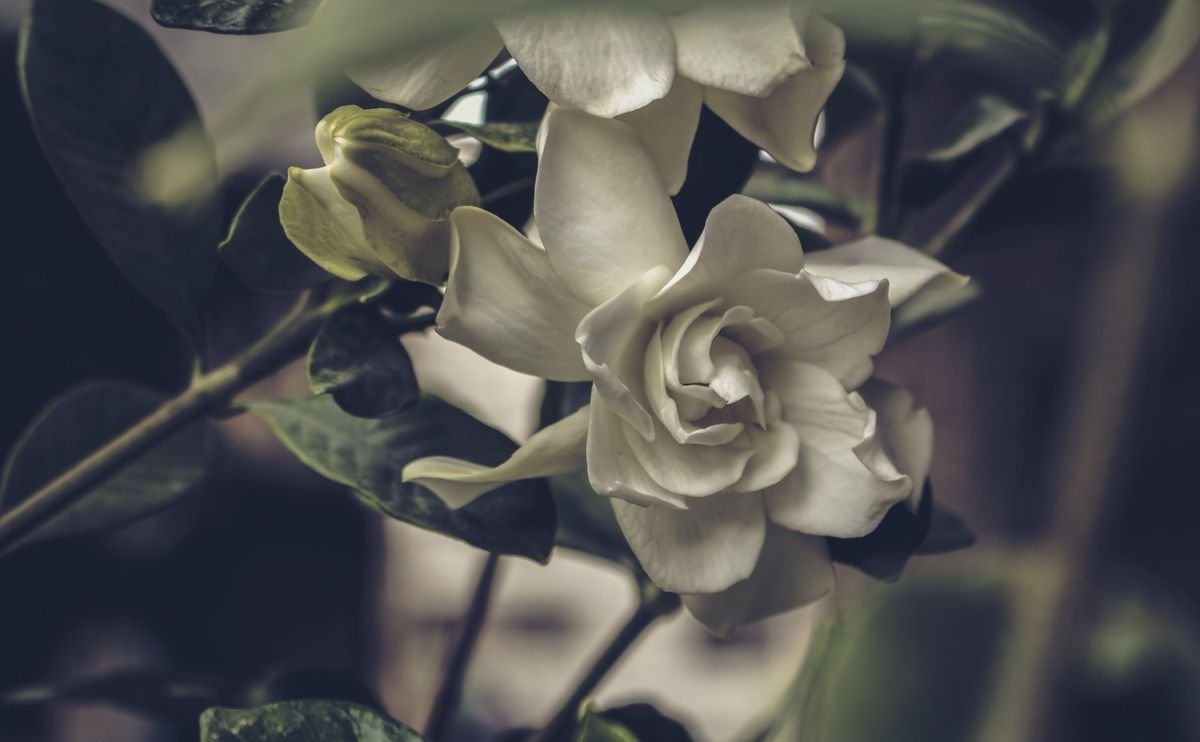
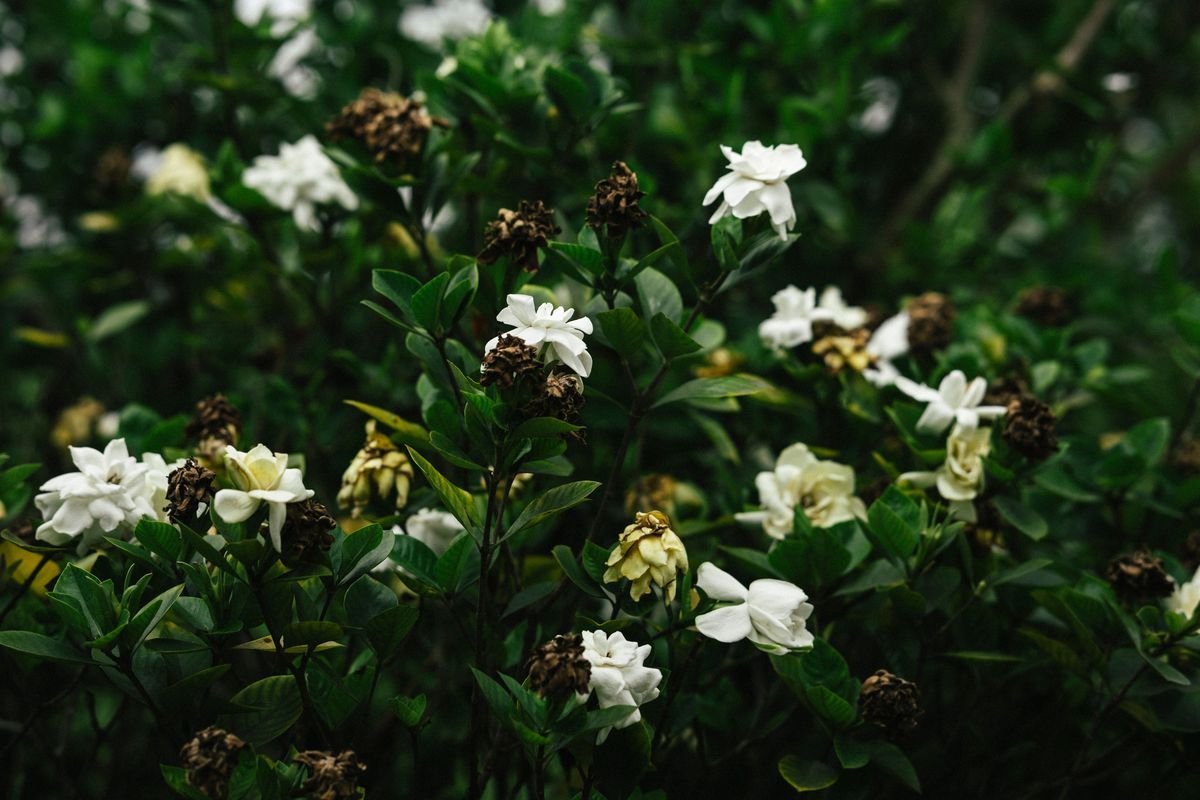
Gardenia flowers are renowned for their pinwheel or rose-like symmetry. They feature velvety petals that typically emerge in creamy white or warm ivory tones, occasionally aging into a soft golden yellow. Their blooms are generally compact, measuring between two and four inches across.
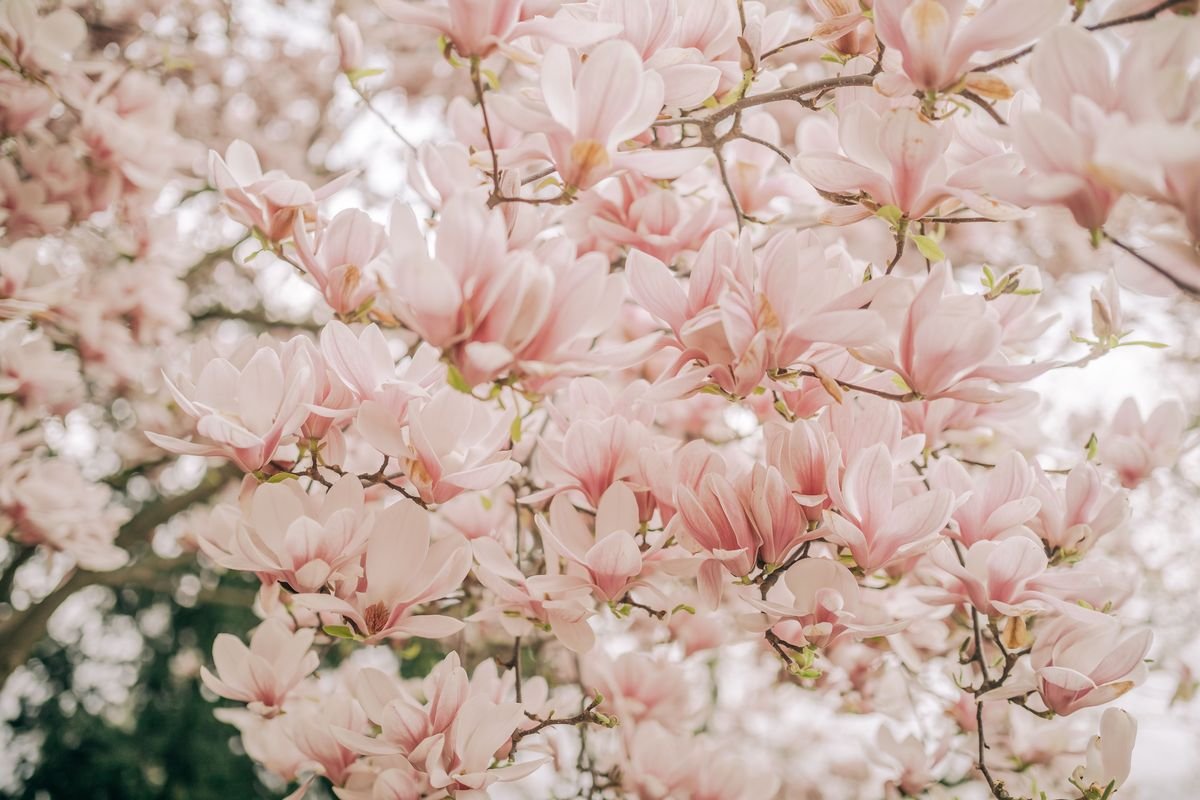
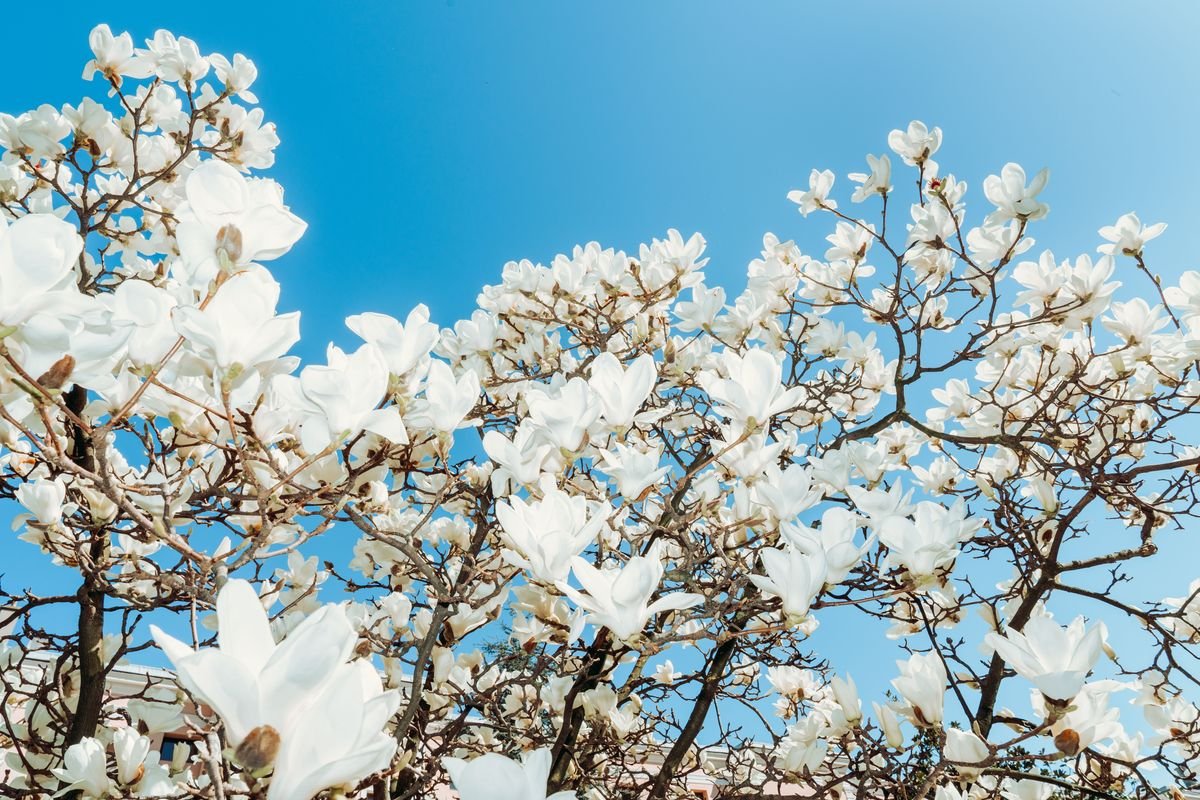
Magnolia blossoms, on the other hand, showcase immense diversity in both shape and coloration. Depending on the species, magnolia blooms can appear as wide cups, elegant saucers, or delicate multi-petaled stars.
While many classic magnolias feature pure white petals, other varieties bloom in striking shades of pink, deep purple, magenta, and even buttercup yellow. A single saucer or southern magnolia bloom can easily measure eight to twelve inches across, creating a bold focal point on the branch.
Comparing Fragrance Profiles
Both plants are world-famous for their scent, yet the fragrances they release are quite different.
Gardenia blossoms produce an intense, sweet, and intoxicating floral perfume. The aroma is rich and heavy, often carrying across an entire patio area on warm summer evenings. Because the scent is so concentrated, a single gardenia bush can perfume an entire outdoor seating space.
Magnolia blossoms deliver a fresh, sweet fragrance with distinct citrus and lemon undertones. Rather than being overwhelmingly heavy, the scent of a magnolia is crisp and refreshing.
If you prefer bright, lemony notes in your garden breeze, magnolias are an ideal match. Gardenias remain the top choice for gardeners who love classic, deep floral sweetness.
Overall Plant Size Differences
Mature size is perhaps the most significant practical difference between these two plants.
Gardenias are classified as compact evergreen shrubs or small multi-stemmed bushes. Most standard gardenia cultivars reach mature heights between four and eight feet, with a similar spread. Dwarf gardenias remain even smaller, rarely exceeding two to three feet in height.
Magnolias range from large ornamental shrubs to towering canopy trees.
A classic southern magnolia (Magnolia grandiflora) can reach towering heights of sixty to eighty feet tall, spreading forty feet wide at maturity. Smaller deciduous types, such as the star magnolia (Magnolia stellata), still reach ten to twenty feet tall.
Before planting, make sure your garden has adequate vertical and horizontal clearance for the species you choose.
Growth Rates and Lifespan
Understanding how fast these plants develop can help you set realistic expectations for your landscape design.
Gardenias generally have a slow to moderate growth rate. They typically add around six to twelve inches of new growth per year under optimal growing conditions. Gardenia shrubs can live for several decades when protected from harsh freezes and root disease.
Magnolias vary significantly by cultivar, but many establish vigorous root systems and grow at a moderate to fast pace.
Larger tree varieties can grow one to two feet per season during their active development years. Magnolias are also exceptionally long-lived landscape trees. Many specimens survive for eighty to one hundred years or more, becoming permanent heritage features in residential landscapes.
Soil and Sunlight Preferences
When it comes to soil chemistry and light exposure, gardenias and magnolias share several core requirements. Both plants prefer rich, organically amended soil that drains excess moisture efficiently while retaining consistent moisture around the roots. They are acid-loving plants that thrive in soil pH levels between 5.0 and 6.5. If you plant either variety in alkaline soil, you may notice leaf chlorosis, where foliage turns yellow while veins remain green. Regarding sunlight, both plants perform best in full sun to partial shade:- Full sun promotes heavier flower bud formation and denser foliage growth.
- Partial afternoon shade protects delicate petals from scorching in hot southern climates.
- Dense, deep shade results in leggy branches and significantly fewer blooms for both species.
Evergreen and Deciduous Varieties
Leaf retention is another area where magnolias and gardenias present unique differences. Gardenias are strictly evergreen plants. Their thick, glossy, dark green foliage remains on the branches year-round, providing dependable visual structure and lush green color even during winter months. Magnolias include both evergreen and deciduous varieties:- Evergreen Magnolias: Species like Magnolia grandiflora keep their large, leathery green leaves throughout all four seasons.
- Deciduous Magnolias: Varieties such as saucer magnolias and star magnolias drop their foliage in autumn.
- Semi-Evergreen Magnolias: Types like the sweetbay magnolia (Magnolia virginiana) retain leaves in warm southern zones but lose them in colder northern zones.
Cold Tolerance and Hardiness Zones
Your regional climate will play a major role in deciding whether a gardenia or magnolia can survive outdoors.
Gardenias are heat-loving plants that thrive primarily in USDA hardiness zones 8 through 11. While modern cold-hardy cultivars (such as ‘Frostproof’ or ‘Chuck Hayes’) can survive in zone 7 with winter mulch, gardenias are generally vulnerable to severe winter freezes and sustained sub-zero temperatures.
Magnolias offer a much wider range of climate adaptability.
Many deciduous magnolia species thrive in USDA zones 4 through 9, comfortably enduring sub-zero winter temperatures without structural damage. Evergreen southern magnolias are typically hardy in zones 6 through 10.
Gardeners living in northern states with cold winters will find magnolias much easier to keep healthy year-round.
Pruning and Maintenance Needs
Routine care and shaping requirements differ based on plant habit and branching structure.
Gardenias require regular attention to maintain a neat, bushy habit. You should prune gardenias immediately after their main summer blooming flush finishes. Pruning too late in the fall removes dormant flower buds that are set for the following spring.
Gardenias also benefit from deadheading spent blossoms to keep the shrub looking tidy.
Magnolias require minimal routine pruning once their primary branch framework is established.
You only need to prune magnolias to remove dead, damaged, or crossing branches. Heavy pruning can stress mature magnolias and trigger unsightly water sprouts along the trunk. Always sanitize pruning shears between cuts to prevent spreading pathogens.
Common Pests and Diseases
Monitoring your garden for early signs of stress keeps both plant types vigorous. Gardenias are somewhat finicky and prone to several common garden pests. Whiteflies, aphids, mealybugs, and spider mites frequently target soft gardenia foliage. These pests secrete honeydew, which often leads to dark sooty mold on leaf surfaces. Gardenias are also sensitive to root-knot nematodes in sandy soils. Magnolias are generally hardier and less prone to insect damage, though they can face specific challenges:- Magnolia scale insects can colonize branch bark and cause leaf drop.
- Leaf spot fungi may appear during unusually wet spring seasons.
- Algal leaf spot can occur in humid coastal environments with low airflow.
Propagation Methods and Costs
The retail cost of nursery stock often reflects how easily each plant is reproduced.
Gardenias are relatively easy to propagate from softwood or semi-hardwood stem cuttings taken in late spring. Because stem cuttings root quickly under high humidity, commercial nurseries can produce large batches of gardenia shrubs rapidly. This makes gardenias very affordable at local garden centers.
Magnolias are much more complex and slow to propagate at scale.
Many named magnolia cultivars must be grafted onto seedling rootstocks or propagated via specialized chip budding techniques. These methods require skilled labor, precise timing, and multiple years of nursery care before the young trees reach retail size.
As a result, potted magnolia trees typically carry a higher price tag than gardenia shrubs.
Landscape and Ground Cover Uses
How you plan to use the plant within your garden architecture will dictate your final selection.
Gardenias excel in versatile landscape roles. Dwarf varieties make exceptional low borders, foundation plantings, and mass ground covers beneath taller trees. Standard gardenias work beautifully in large patio containers, informal privacy hedges, or scented borders near entryways.
Magnolias function primarily as prominent landscape anchors.
A single southern magnolia serves as a majestic standalone shade tree or property border. Smaller deciduous magnolias shine as specimen focal points in lawn centers, woodland garden clearings, or corner garden beds.
Magnolias cannot serve as low ground cover due to their upright wood structure and dense canopy.
Choosing the Right Plant for Your Yard
Deciding between a gardenia and a magnolia comes down to your garden space, hardiness zone, and design goals.
Choose a gardenia if you want a compact, glossy evergreen shrub with rich floral fragrance for walkways, patio containers, or low foundational hedges in warmer climates.
Choose a magnolia if you need an impressive focal tree, desire early spring color on bare branches, or live in a colder climate where freezing winters prevent gardenias from surviving outdoors.
Both plants reward attentive gardeners with timeless beauty and sensational seasonal fragrance.