Water is one of our most precious resources, yet typical outdoor landscapes consume vast quantities of it every single week. When summer heat arrives and rainfall disappears, keeping a garden green often turns into an expensive and time-consuming chore.
You do not have to sacrifice a lush, beautiful yard to save water. By making simple adjustments to your garden layout, improving your soil structure, and selecting resilient plant varieties, you can design a thriving landscape that requires only a fraction of traditional irrigation.
Rethinking the Modern Landscape
Traditional residential landscapes often feature expansive green lawns that demand constant watering, mowing, and fertilizing. Shifting your design mindset toward efficiency allows you to create a more dynamic and sustainable outdoor space.
Water-wise landscaping does not mean replacing your entire yard with barren gravel or artificial turf. Instead, it involves balancing functional open areas with hardy plantings, walking paths, and attractive seating zones.
Dividing your property into distinct functional zones makes maintenance far easier. Consider allocating one portion to a smaller, practical lawn area, another portion to stone patios or gravel walkways, and the remainder to deeply mulched garden beds filled with climate-adapted plants.
Reducing High Water Lawn Areas
Turfgrass is often the thirstiest component in any yard. Reducing the overall footprint of your lawn immediately lowers your monthly water consumption.
Take an honest look at how you actually use your lawn space. If large sections exist solely for visual appeal and never get walked on, those areas are prime candidates for conversion.
Replacing unused grass with drought-tolerant perennial beds, groundcovers, or permeable hardscapes creates visual interest while cutting your irrigation demands significantly.
Choosing Resilient Turf Alternatives
If you still want a patch of lawn for children or pets, choose grass species that naturally tolerate dry spells.
Warm-season grasses such as bermudagrass, zoysia, and buffalograss develop deep root networks and thrive during hot summer months with minimal supplemental moisture.
For cooler regions, fine fescues and turf-type tall fescues offer excellent drought tolerance compared to traditional Kentucky bluegrass. When water restrictions occur, these resilient varieties enter a natural dormancy stage and green up quickly once regular moisture returns.
Smart Grouping with Hydrozoning
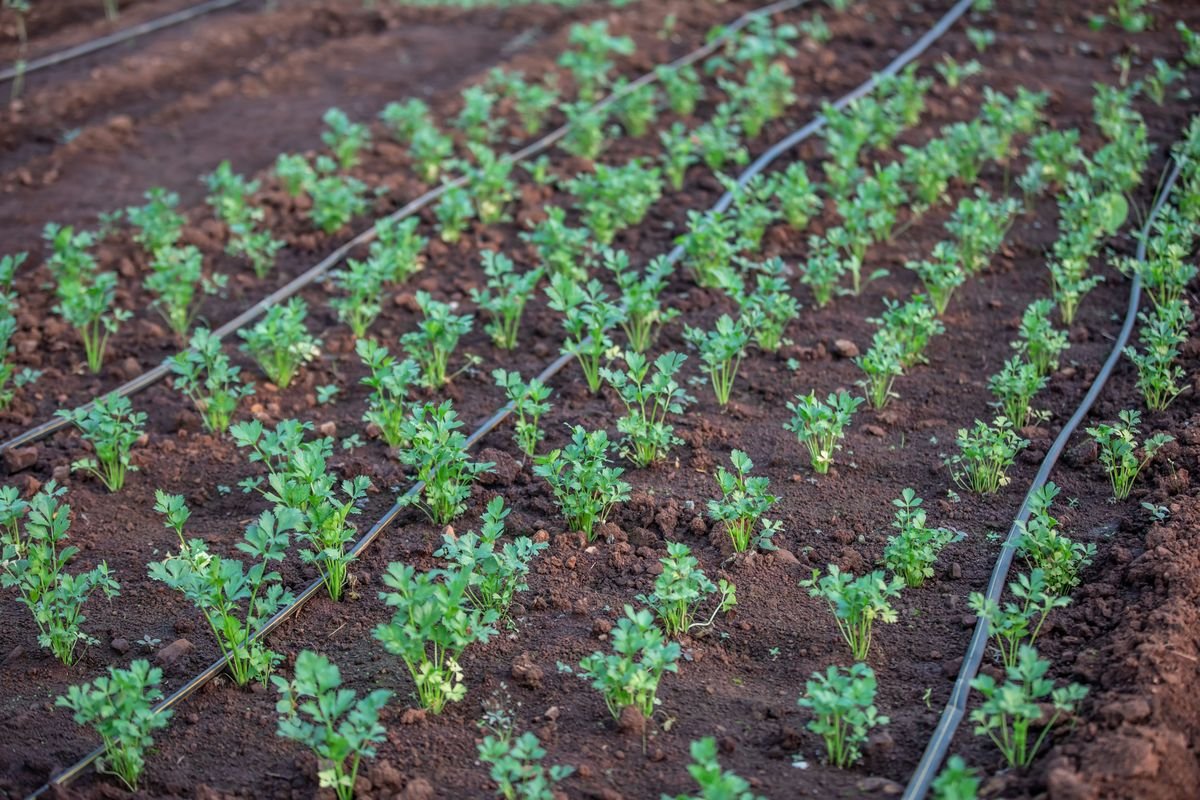
Hydrozoning is the practice of clustering plants together based on their specific water requirements rather than scattering them randomly across the yard.
When high-water plants grow right next to drought-hardy shrubs, you are forced to overwater one species or underwater the other. Grouping plants with identical needs eliminates this problem completely.
Establishing clear irrigation zones lets you deliver the exact amount of moisture each group needs without wasting a drop.
Creating Zones Based on Moisture Needs
You can organize your landscape into three straightforward irrigation categories to maximize water efficiency.- High-water zone: Located closest to the house or water source, reserved for delicate container plants, vegetables, and tender flowering annuals.
- Moderate-water zone: Mid-range areas containing established perennials, fruit trees, and flowering shrubs that need only occasional deep soaking.
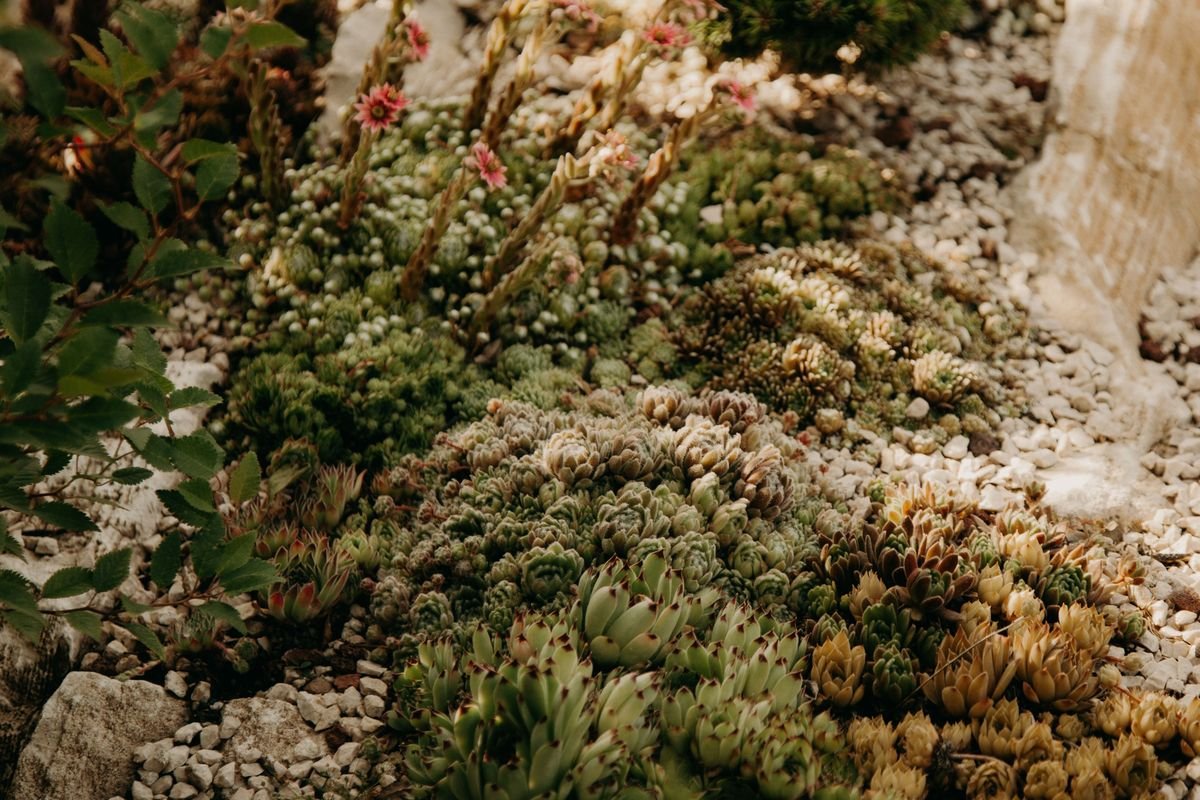
- Low-water zone: The perimeter of your yard, dedicated to native species, ornamental grasses, and succulents that survive entirely on natural precipitation once established.
Capturing Runoff and Microclimates
Every yard features unique natural contours and microclimates that influence how moisture collects.
Low spots at the base of slopes, ground beneath roof eaves, and areas surrounding downspouts naturally receive higher amounts of moisture during rain events. Planting your thirstiest species in these naturally damp depressions saves you from hauling hoses across the garden.
Conversely, elevated mounds, south-facing slopes, and areas next to heat-absorbing concrete dry out rapidly. Save those hot spots for your toughest drought-tolerant varieties.
Prioritizing Regional Native Plants
Native plants have evolved over centuries to thrive in your region’s specific rainfall patterns and temperature swings.
Because they have adapted to local soil types and climate extremes, native species develop extensive root systems that search deep underground for hidden water reserves.
Unlike many exotic ornamental plants that require constant coddling, established natives can comfortably endure prolonged dry spells while providing vital habitat for local pollinators, birds, and beneficial insects.
Building Water Retentive Soil
The foundation of a water-efficient garden lies beneath the surface. Healthy soil acts like a sponge, absorbing rainfall quickly and releasing it slowly to plant roots.
Sandy soil lets water drain away too quickly before roots can drink, while heavy, compacted clay causes water to pool on the surface and run off before soaking in.
Improving soil structure increases its water-holding capacity while ensuring proper drainage so roots never sit in stagnant, airless mud.
Adding Quality Organic Matter
Incorporating well-rotted compost, aged manure, or leaf mold into your planting beds transforms poor soil into a moisture-retaining reservoir.
Organic matter improves the pore space within compacted clay soils, allowing rain to infiltrate deeply rather than washing away down the street.
In sandy soils, organic material binds loose particles together and holds onto moisture like a sponge, keeping hydration available around root zones for days longer after each watering.
Protecting Soil with Thick Mulch
Exposed garden soil loses massive amounts of moisture to the atmosphere through direct evaporation.
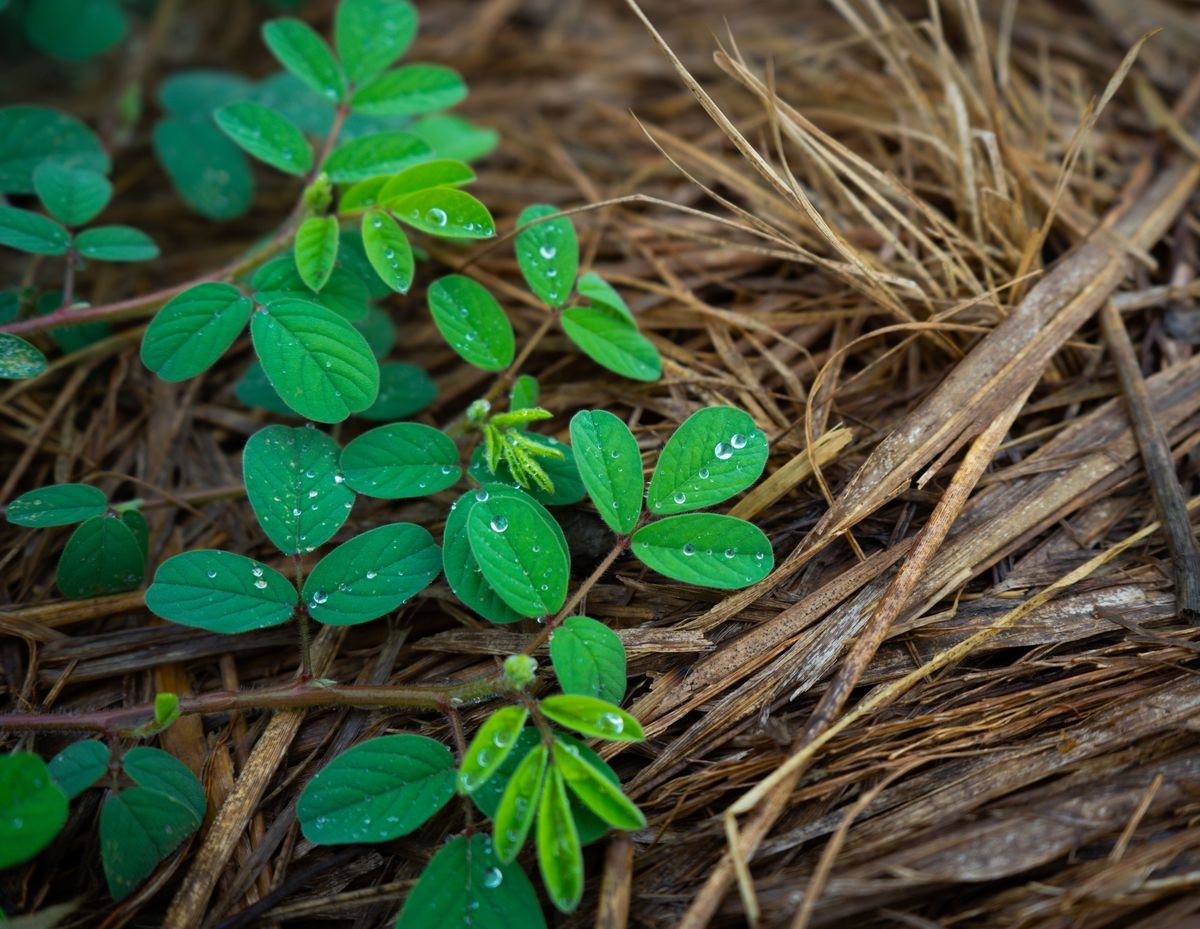
Applying a 2 to 3 inch layer of organic mulch across your garden beds cools the soil surface, prevents weed growth, and cuts evaporation rates drastically.
Coarse materials like shredded bark, wood chips, pine needles, or straw break down gradually over time, continuously enriching the soil while keeping root systems cool during intense heat waves.
Training Roots with Deep Watering
How you deliver water matters just as much as how often you water.
Frequent, shallow watering keeps moisture near the surface, which encourages plants to produce weak, shallow root networks. When the top inch of soil dries out under the summer sun, shallow-rooted plants wilt immediately.
Watering deeply but less frequently trains roots to push downward into cooler, moister soil layers. This creates robust, resilient root systems that can easily withstand hot, dry periods between waterings.
Setting Up Rainwater Harvesting
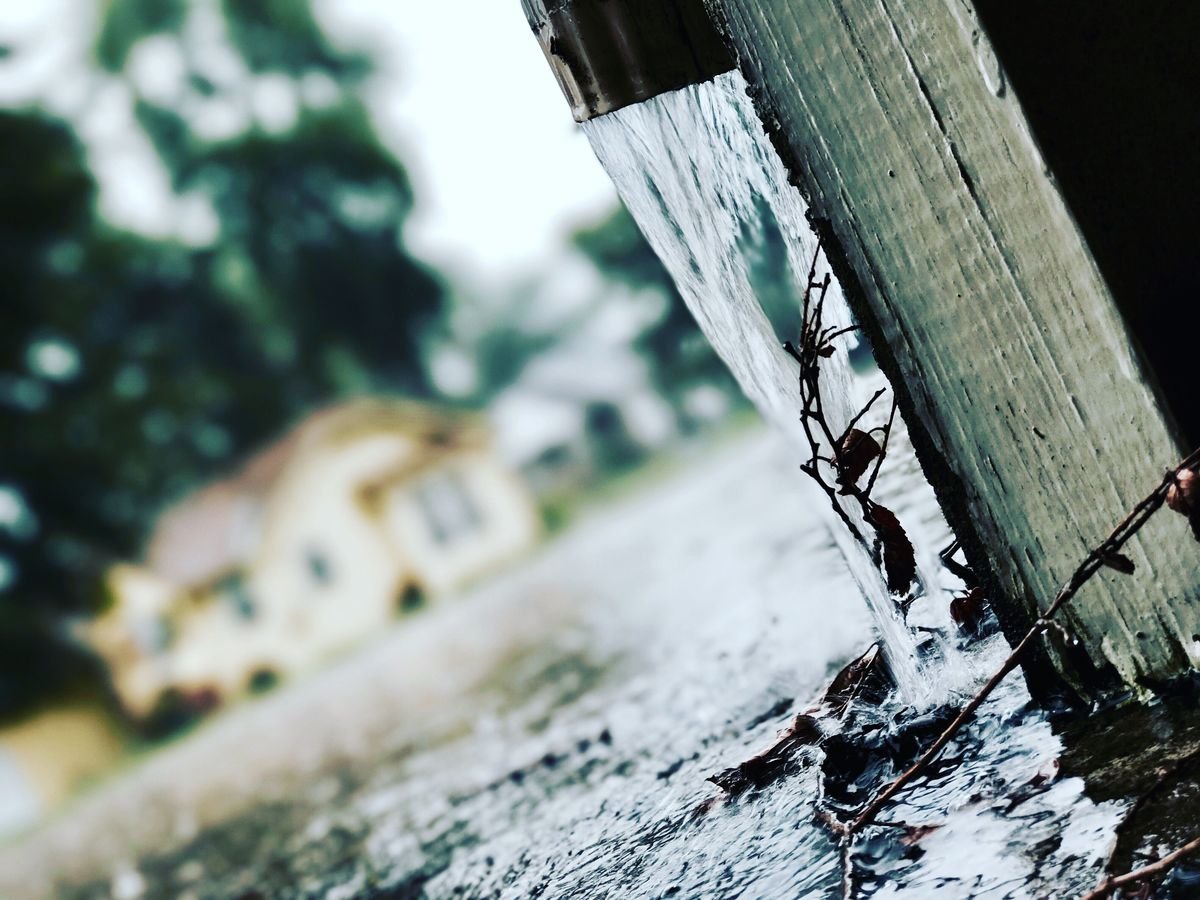
Collecting rainwater is an easy and cost-effective way to supplement your garden watering needs during dry spells.
Rainwater is naturally soft, devoid of municipal treatment chemicals like chlorine, and packed with dissolved minerals that promote vigorous plant growth.
Installing a basic rain barrel beneath a gutter downspout allows you to capture hundreds of gallons of free, high-quality water from routine seasonal downpours.
Rain Barrel Maintenance and Safety
Keeping your rainwater collection system clean ensures high water quality and prevents common pest problems.
Always fit your rain barrel with a fine mesh screen across the inlet opening to prevent leaves, twigs, and mosquitoes from entering the barrel.
Make sure each barrel has a dedicated overflow hose directed away from your home foundation, and clean out accumulated sediment from the bottom of the tank at least once per year.
How Water-Efficient Is Your Garden?
Answer 5 quick questions to see your result