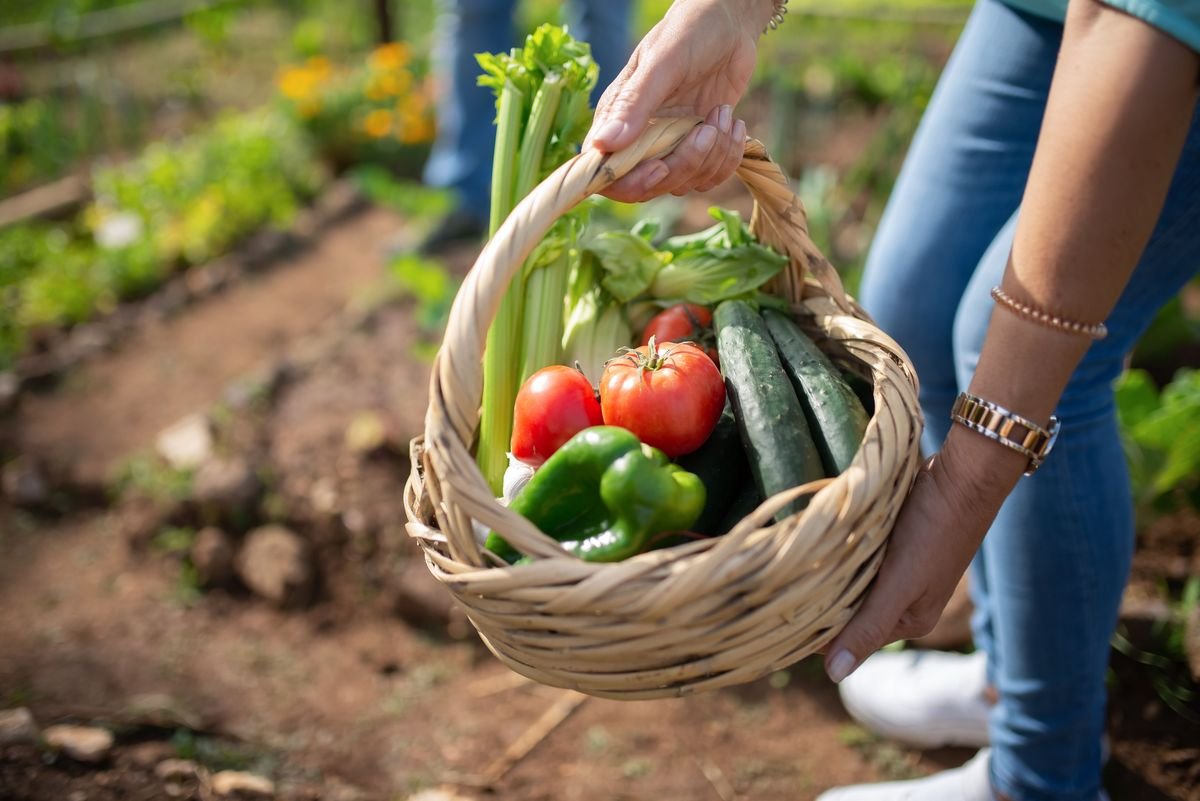
Stepping into a backyard garden to harvest crisp lettuce, fragrant herbs, and ripe sun-warmed tomatoes is one of life’s greatest pleasures. In recent years, more people have turned away from supermarket produce aisles and toward home gardening, rediscovering the joy of self-reliance.
Tending a kitchen garden is far more than a practical hobby. It is an intentional lifestyle choice that directly enriches your physical health, calms your mental state, and creates a greener footprint right outside your door.
Physical Health Benefits of Homegrown Food
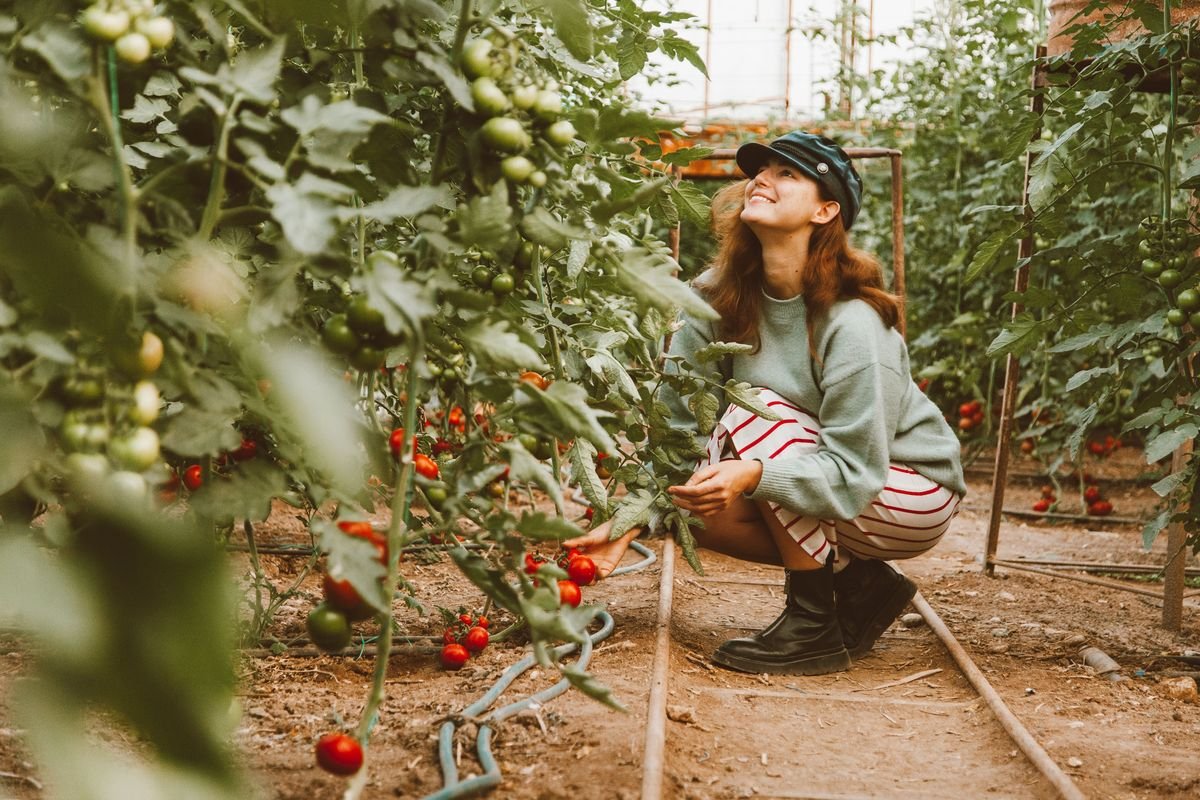
When you produce your own food, your overall wellness improves naturally without extreme dietary overhauls.
The simple act of cultivating plants transforms how you interact with meals, movement, and nutrition on a daily basis.
Encouraging Nutritious Daily Choices
Having fresh vegetables and culinary herbs within arm’s reach makes it effortless to build colorful, wholesome plates.
When you invest time into watching a tiny seedling grow, you feel a natural urge to enjoy every bite at harvest time. This dynamic is especially powerful for children, who are far more excited to eat fresh greens and sweet carrots when they help pick them.
Superior Nutrient Density
Commercially distributed produce is often picked before peak ripeness and transported over thousands of miles before reaching store shelves.
During long transit and storage times, fruits and vegetables lose valuable vitamins, antioxidants, and delicate enzymes. Eating produce immediately after harvesting ensures you receive maximum nutritional value from every serving.
Unmatched Flavor and Crispness
Grocery store crops are usually bred for shelf life, uniform size, and shipping durability rather than rich flavor.
When you grow heirloom tomatoes, tender snap peas, and delicate lettuces at home, you experience deep, vibrant flavors that commercial supply chains simply cannot duplicate.
Complete Control Over Garden Inputs
Store-bought items frequently come with hidden synthetic chemical residues and synthetic wax coatings.
Growing your own food grants you total authority over your soil, compost, and pest solutions. You can choose natural, organic amendments and skip harsh chemical sprays entirely.
Natural Exercise and Functional Movement
Gardening offers low-impact physical activity that gently exercises major muscle groups without the monotony of a gym routine.
Tasks like weeding, spreading compost, carrying watering cans, and squatting to plant seeds build functional stamina, core stability, and joint flexibility over time.
Mental and Emotional Rewards
The benefits of home gardening extend well beyond what lands on your dinner plate.
Tending to green plants provides powerful mental health support, helping you navigate modern sensory overload with greater peace.
Grounding Through Daily Mindfulness
Gardening naturally demands your full, sensory attention. The earthy smell of damp soil, the hum of insects, and the delicate texture of foliage ground you in the present moment.
Focusing on small, purposeful tasks such as pinching suckers or sowing seeds pulls your attention away from digital screens and racing worries.
Natural Mood Enhancement in the Soil
Getting your hands into rich garden soil can actually improve your brain chemistry.
Healthy soil contains harmless microorganisms, such as Mycobacterium vaccae, which trigger the release of serotonin in the human brain. This natural mood booster helps alleviate mild anxiety and brings a sense of calm accomplishment.
Meaningful Relief from Daily Stress
Spending time outdoors amidst lush green growth lowers circulating levels of cortisol, the body’s primary stress hormone.
Making a routine garden stroll part of your morning coffee or evening wind-down routine gives your mind a quiet sanctuary to decompress from hectic workdays.
Fostering Patience and Resilience
Crops rarely grow on an instant schedule, teaching us to embrace slow, gradual progress.
Learning to adapt to unexpected weather, pests, and seasonal shifts cultivates resilience, problem-solving skills, and a deeper appreciation for nature’s natural timelines.
Environmental and Community Perks
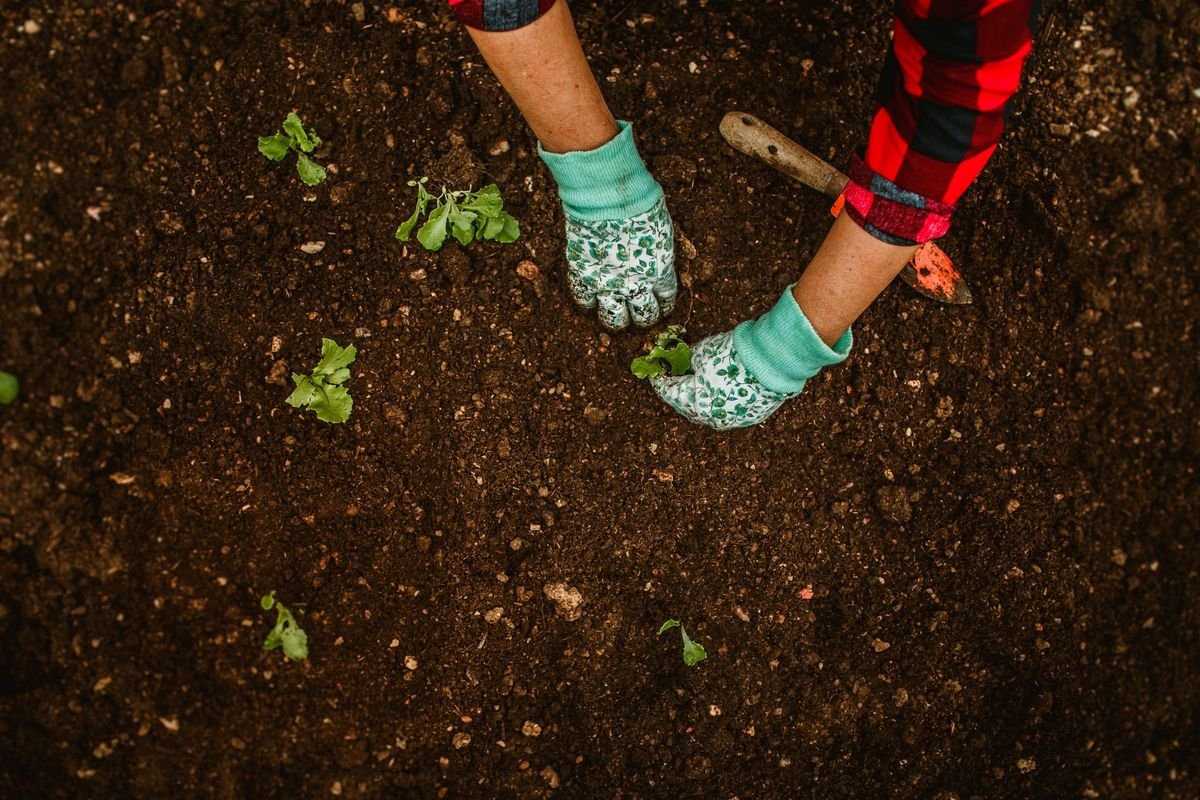
Your individual garden plots play a small but meaningful role in healing the surrounding ecosystem.
Every square foot of garden space contributes positively to your neighborhood’s biodiversity and resource conservation.
Lower Food Miles and Packaging Waste
Much of our grocery store produce travels across borders and oceans, generating substantial carbon emissions along the way.
Harvesting meals directly from your patio or yard reduces fuel consumption, eliminates plastic packaging trays, and cuts down on household grocery trash.
Supporting Local Pollinators
A thriving food garden filled with blooming squash, berry blossoms, and companion flowers creates a haven for vital wildlife.
Beneficial insects like native bees, butterflies, and predatory hoverflies find essential food and shelter in an organic garden landscape.
Simple Tips to Start Growing Today
You do not need acres of land or years of farming experience to start reaping the rewards of food gardening. Beginners can start small by following a few straightforward steps:- Choose a sunny spot that receives at least six hours of direct light daily.
- Start with easy-to-grow herbs and greens like basil, mint, radishes, and loose-leaf lettuce.
- Use rich potting mix in raised beds or fabric containers if your native soil is rocky or poor.
- Establish a consistent morning watering routine to keep root systems evenly moist.
Selecting Beginner Friendly Crops
Setting yourself up for early success keeps your motivation high as you learn.
Quick-maturing crops like radishes, leafy spinach, bush beans, and cherry tomatoes provide generous harvests with minimal fuss, making them ideal starting points for any new home grower.
Concluding Thoughts on Growing Food
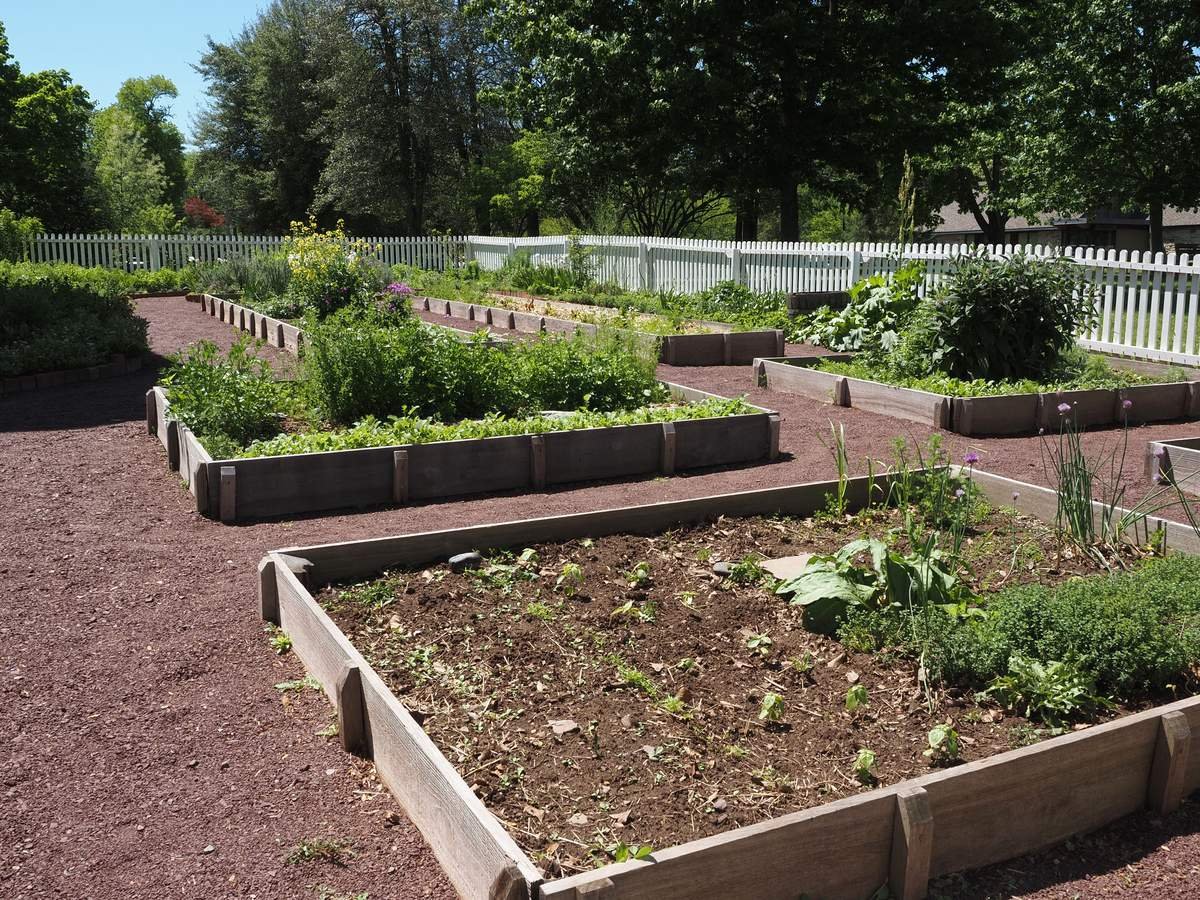
Starting a personal food garden is one of the most fulfilling investments you can make for your physical vitality and emotional well-being.
Whether you tend a single windowsill herb pot or manage multiple raised garden beds, the daily interaction with growing plants restores balance, improves your nutrition, and brings deep satisfaction to your everyday life.
How Ready Are You to Start a Kitchen Garden?
Answer 4 quick questions to see your result