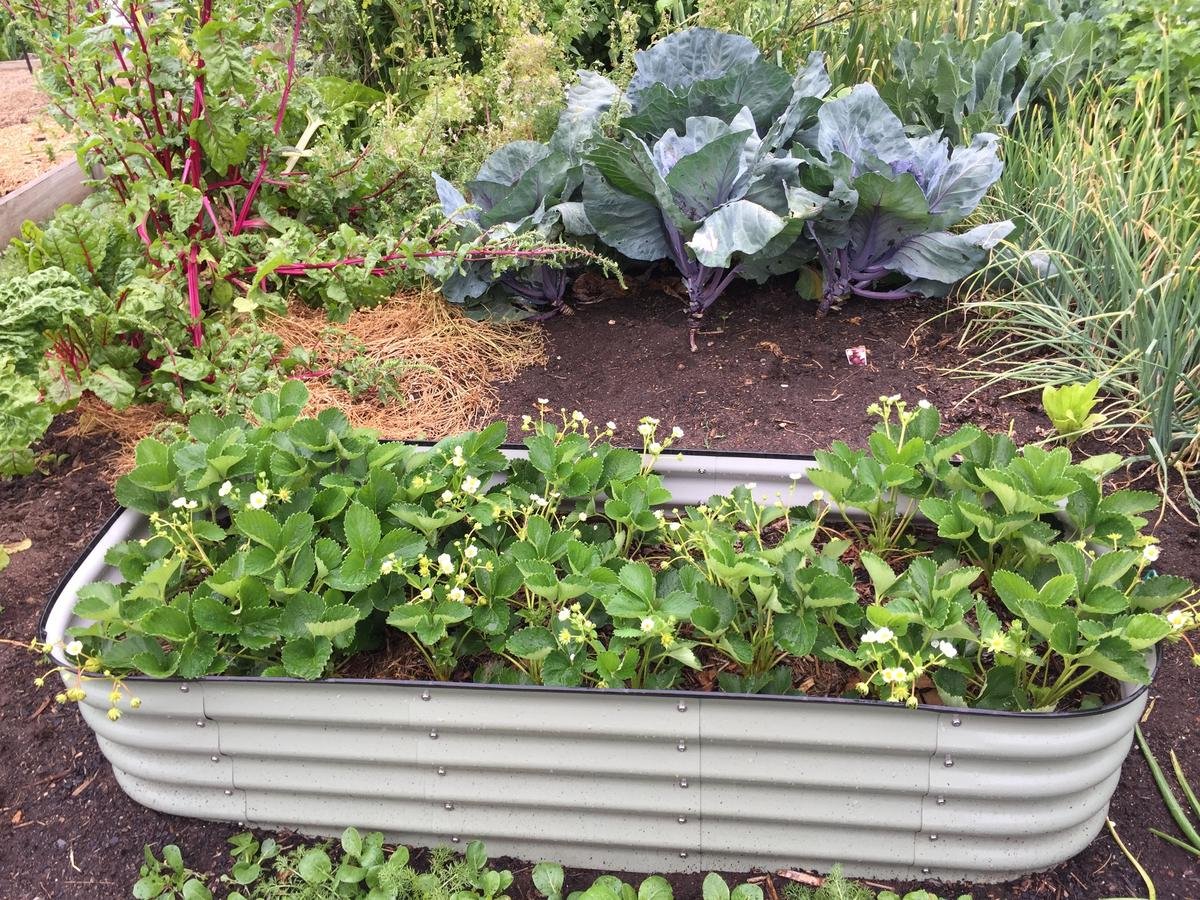
When you look at your raised garden bed, you might see individual rows of greens, roots, and vines. But beneath the surface and across the foliage, your plants have the potential to function as a bustling, supportive community.
Companion planting is the art and science of placing mutually beneficial plants close together. When you pair the right crops in a raised bed, you unlock natural pest control, improve your soil structure, and produce bigger harvests in less space.
Understanding Companion Planting
At its core, companion planting replicates natural ecosystems. In the wild, plants rarely grow in single-species plots. Instead, diverse varieties mingle, share nutrients, and balance out pest populations naturally.
In a raised bed where square footage is limited, diversity becomes your best tool for success. By placing compatible species next to each other, you create microclimates, balance nutrient uptake, and make efficient use of every cubic inch of soil.
Making the Most of Raised Bed Space
Raised beds provide outstanding drainage and loose soil, but space comes at a premium. Companion planting helps you stack plant yields both above and below the soil surface.
You can easily double your productivity by staggering fast-growing crops with slow-maturing vegetables. For example, planting crisp radishes between young broccoli starts gives you a quick harvest before the broccoli spreads its broad leaves.
Root Depth Layering
Plants feed at different soil depths depending on their root architecture. Shallow-rooted vegetables like spinach, lettuce, and onions pull moisture from the top few inches of dirt.
Deep-rooted crops like carrots, parsnips, and winter squashes reach far lower into the bed. When you grow shallow and deep feeders side by side, their root systems share the soil without competing for the same nutrient pockets.
Vertical Growing Combinations
Taking advantage of height is one of the easiest ways to expand your harvest area. Sturdy, upright crops can act as living supports or sun shields for smaller neighbors.
Sunflowers and tall sweet corn provide natural scaffolding for climbing pole beans. At the same time, leafy greens like spinach appreciate the afternoon shade cast by tall trellised cucumbers during hot summer days.
Natural Pest Protection
One of the greatest benefits of plant diversity is organic pest management. Rather than turning to synthetic sprays, you can use companion plants to outsmart insect invaders.
Pests often seek out large monocultures of their favorite host plants. By mixing up your beds with aromatic herbs and vibrant flowers, you break up visual cues and make it tough for pests to locate their targets.
Masking Strong Scents
Many insects rely heavily on chemical cues to find dinner. Aromatic plants disrupt this hunting method by overwhelming the senses of garden pests.
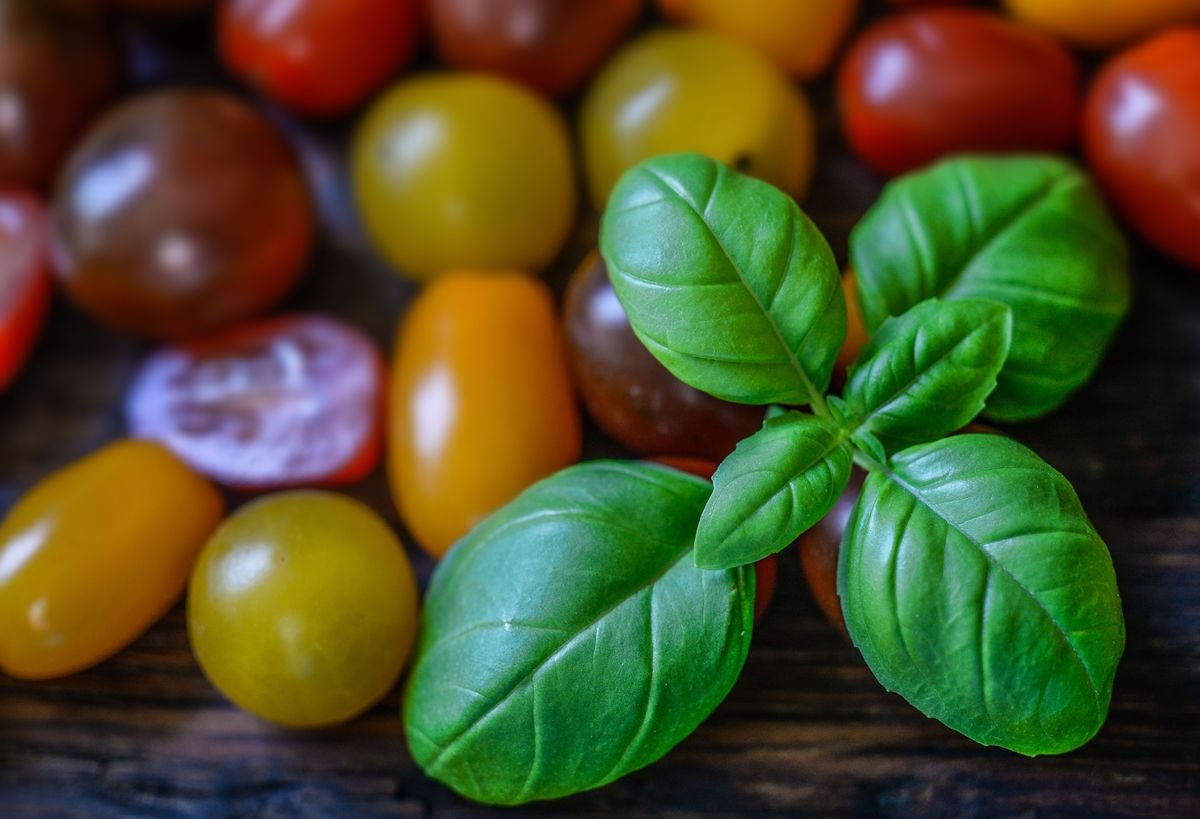
Pungent alliums like garlic, leeks, and scallions produce strong sulfur compounds that confuse carrot rust flies. Similarly, fragrant bush basil planted around tomato stalks masks the scent of fresh foliage from roving tomato hornworms.
Trap Crops That Lure Bugs Away
A trap crop is an sacrificial plant intentionally grown to attract problem insects away from your main harvest.
Nasturtiums are legendary trap crops. Aphids and flea beetles adore nasturtium leaves and stems, flocking to them while leaving your precious squashes, peppers, and cucumbers completely untouched.
Building Soil Health Organically
Healthy soil is the foundation of any thriving raised bed. The right combinations of plants will constantly replenish nutrients and protect the topsoil.
Instead of letting bare soil dry out in the sun, companion plantings keep the soil shaded, biologically active, and full of beneficial mycorrhizal fungi.
Nitrogen Fixers for Heavy Feeders
Legumes such as bush beans, pole beans, and snap peas possess a remarkable ability to capture nitrogen gas from the atmosphere.
Specialized bacteria living on their root nodules convert that nitrogen into a soluble form that feeds neighboring crops. Planting legumes near heavy feeders like kale, cabbage, and sweet corn delivers a steady supply of natural fertility.
Living Mulch and Moisture Retention
Wide, spreading plants act as living green mulch across the surface of your raised bed.
Low-growing crops such as squash, trailing nasturtiums, and sweet potato vines create a dense canopy of foliage. This canopy shades the soil surface, prevents weed seeds from germinating, and reduces moisture evaporation during hot spells.
Classic Raised Bed Plant Pairings
Over centuries of gardening, several reliable combinations have proven their worth time and time again.- The Three Sisters: Corn supports climbing beans, beans fix essential nitrogen, and squash leaves shade the ground to conserve water.
- Tomatoes and Basil: Basil enhances the vigor of tomato vines while deterring hornworms and thrips.
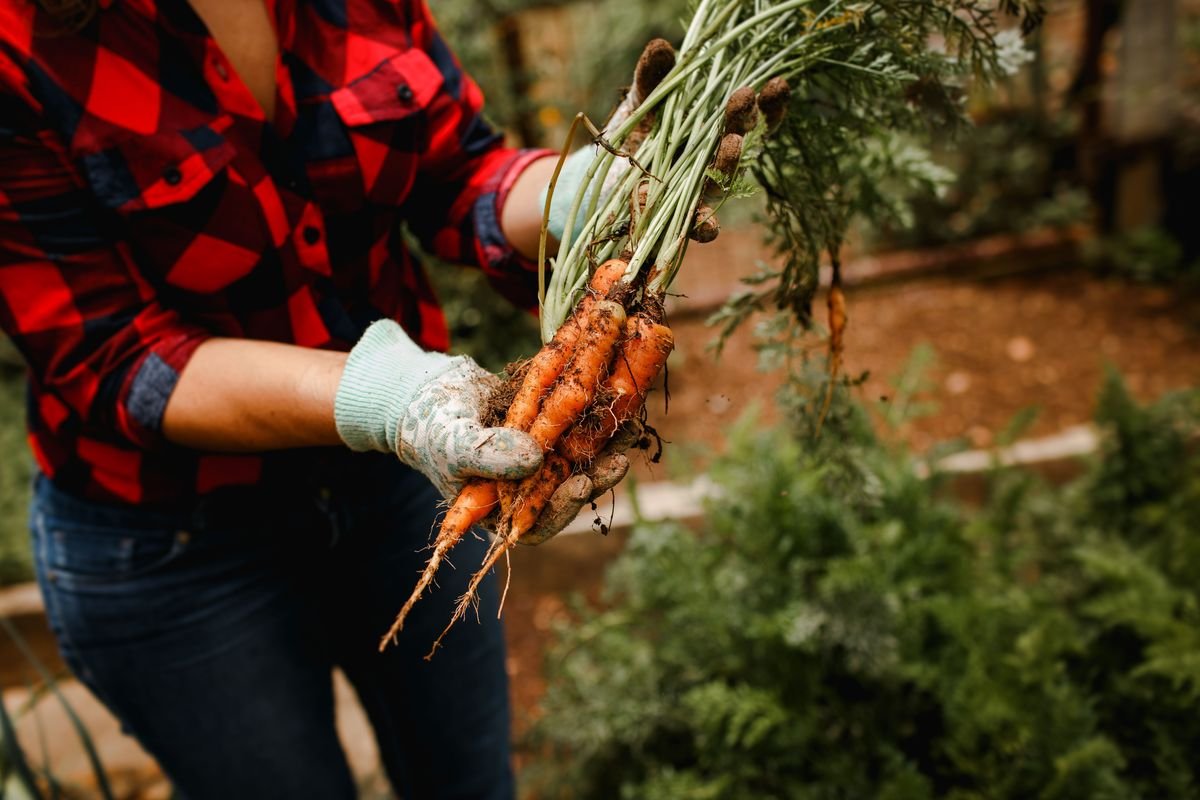
- Carrots and Rosemary: The strong pine scent of rosemary keeps carrot rust flies far from your tender root crops.
- Cabbage and Mint: Mint repels cabbage moths, though it is best kept in a sunken pot to prevent root spreading.
- Cucumbers and Dill: Dill attracts parasitic wasps that prey on cucumber beetles, while giving cucumbers a flavor boost.
The Power of Beneficial Herbs
Herbs are exceptional additions to any raised bed layout. They do not just elevate your cooking; their essential oils serve as functional shields for vulnerable vegetables.
Thyme, sage, and oregano provide dense ground cover and harbor predatory spiders that hunt garden pests. Allowing a few herb stems to bloom attracts an army of hoverflies, lacewings, and honeybees that pollinate your fruiting vegetables.
Helpful Flowers for Raised Beds
Never hesitate to tuck ornamental blossoms into your vegetable beds. Flowers introduce vibrant colors while playing key functional roles in your garden ecosystem.
French marigolds produce root exudates that deter harmful root-knot nematodes in the soil. Borage produces bright blue star flowers rich in nectar, drawing bumblebees while deterring hornworms from adjacent pepper and tomato plants.
Plant Pairings to Keep Apart
Just as some plants form great partnerships, others create problems when placed side by side. Certain combinations compete aggressively for identical nutrients or spread shared diseases.- Tomatoes and Potatoes: Both members of the nightshade family share vulnerability to early and late blight.
- Beans and Alliums: Onions, garlic, and chives produce antibacterial compounds that stunt legume growth.
- Fennel and Everything: Fennel produces an inhibitory chemical that halts the development of almost all neighboring vegetables.
- Cabbage and Strawberries: Cabbage family members severely impede strawberry vigor and reduce fruit yields.
Tips for Planning Your Layout

Before you begin planting, sketch out your raised bed dimensions on paper. Group plants with similar water and sun requirements together so you can maintain consistent care routines.
Place taller crops on the north or east side of your raised beds so they do not block valuable sunlight from shorter vegetables. With a little thoughtful planning, your raised beds will flourish as self-supporting, abundant growing systems.
How Well Are Your Raised Beds Optimized?
Answer 4 quick questions to see your result