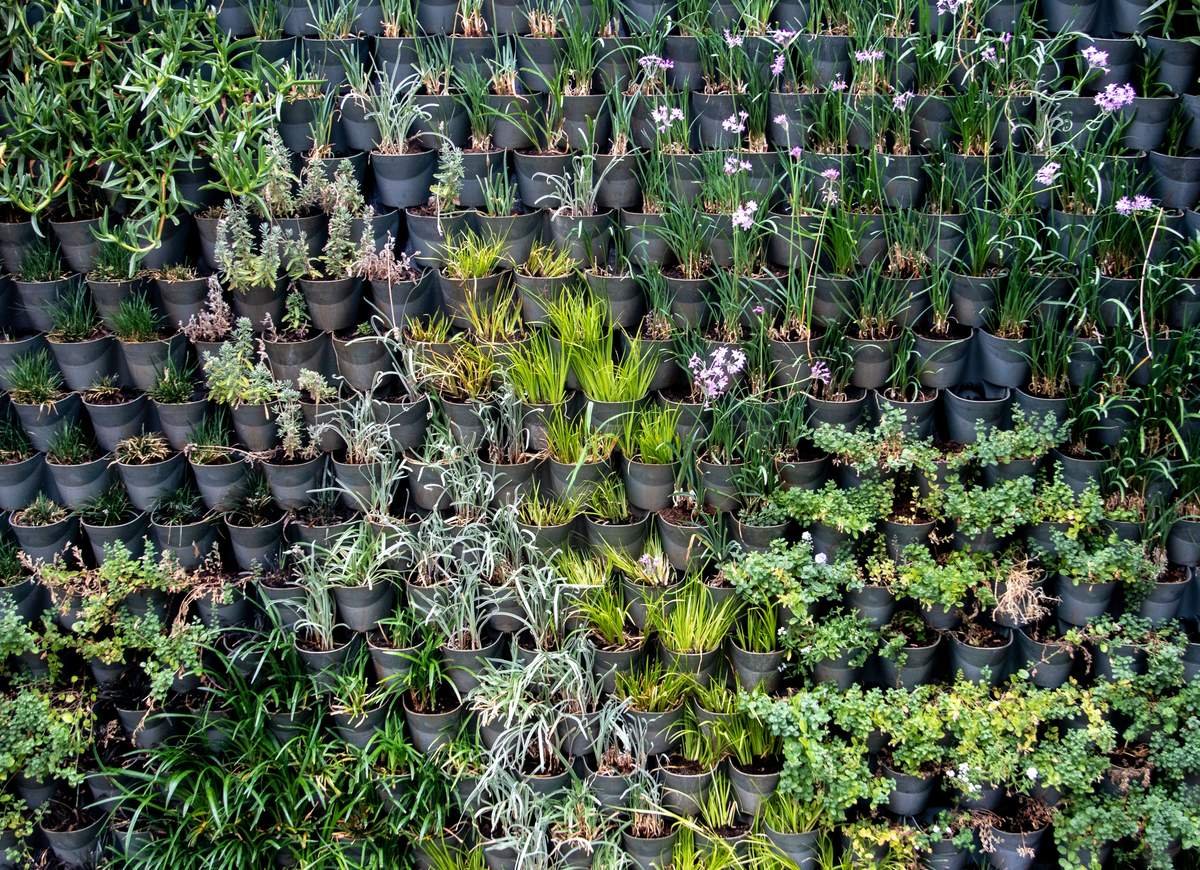
Did you know you can produce an endless harvest of crisp greens and fragrant culinary herbs right at home, even without a traditional yard?
Vertical gardening is the ultimate solution for anyone dealing with tight spaces, sunny balconies, or cramped apartment windowsills. By building upwards rather than sprawling outward, you can transform empty walls into thriving, edible food stations with surprisingly little effort.
Understanding Vertical Gardening
Vertical gardening is an efficient method of growing plants upward using vertical space rather than spreading across horizontal ground.
Instead of taking up valuable floor space with sprawling garden beds, you train plants to grow along wall mounts, trellises, pocket panels, or stacked tower units.
This method opens the door to home agriculture for city dwellers and anyone limited by tiny outdoor spaces.
Top Reasons to Grow Upward
Growing upwards offers major advantages over standard flat ground gardening, especially when it comes to resource management.
First, you can maximize your total yield within a tiny footprint. An entire salad bar of fresh produce can thrive comfortably on a single exterior wall or compact vertical stand.
Second, elevated plants experience superior airflow. Better air circulation keeps fungal infections and leaf blight away from your tender culinary greens.
Harvesting is also remarkably easy. Because your plants sit right at chest or eye level, you can say goodbye to back strain and painful knee bending while weeding or picking leaves.
Natural Pest Protection
Elevating your crops off the ground creates an effective physical barrier against crawling pests, slugs, and curious outdoor animals.
Soil-dwelling critters have a much harder time reaching vertical planters, which translates to cleaner foliage and fewer holes in your salad greens.
Best Herbs for Vertical Planters
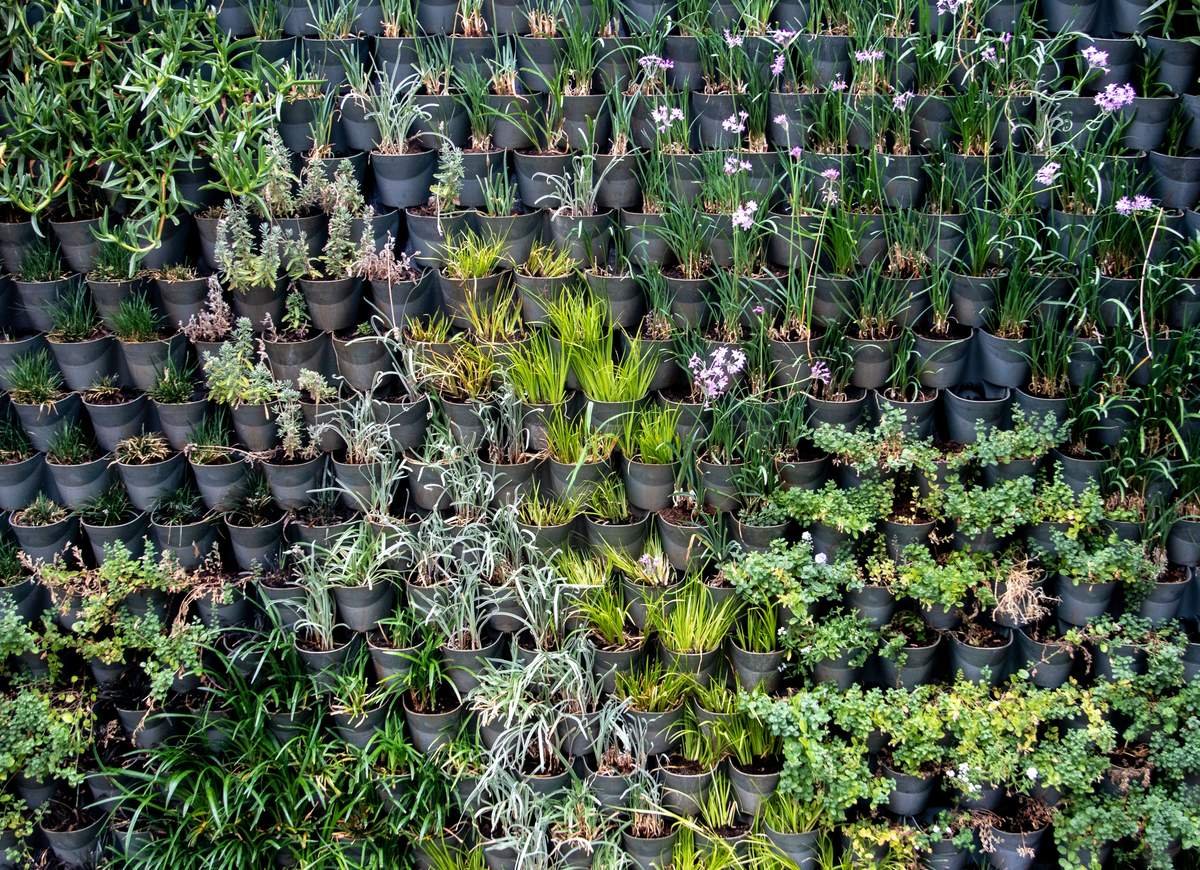
- Sweet Basil: Loves warmth and direct sunlight, producing fast flushes of tender leaves.
- Mint Varieties: Perfect for contained vertical pockets because upward containers prevent their roots from taking over your garden.
- Rosemary and Thyme: Woody Mediterranean herbs that adore bright light and sharp drainage.
- Parsley and Cilantro: Fast growers that handle cooler vertical spots with ease.
- Chives: Slender upright growers that take up minimal horizontal space in tiered planters.
Top Leafy Greens to Plant
Leafy greens feature shallow root systems, making them ideal candidates for shallow vertical containers and wall systems.
Loose-leaf lettuces such as butterhead, romaine, and oakleaf let you practice the ‘cut-and-come-again’ harvesting method for continuous weekly salads.
Spinach, baby kale, arugula, and Swiss chard also flourish in wall units. Their compact root balls adapt quickly, while their broad leaves spill outward to create a stunning living wall effect.
Popular Vertical Garden Systems
Choosing the best system depends on your available space, personal aesthetic goals, and practical budget.
Let us look at the most common setups gardeners use today.
Wall Mounted Felt Pockets
Felt pocket panels attach directly to fences, masonry, or sturdy indoor frames. The breathable fabric encourages air pruning of roots, preventing plants from becoming root-bound.
They are lightweight, inexpensive, and ideal for establishing dense culinary herb displays.
Freestanding Vertical Towers
Stackable vertical towers are standalone columns that allow you to grow dozens of plants in a single square foot of floor space.
Many tiered towers feature built-in reservoirs at the base, making them wonderful for small apartment balconies or sunny patio corners.
Tiered Hanging Planters
Hanging systems suspend multiple planter troughs vertically from overhead beams, pergolas, or ceiling hooks.
They create an eye-catching green curtain effect and keep your floors completely clear for furniture or foot traffic.
Choosing the Right Sunlight and Location
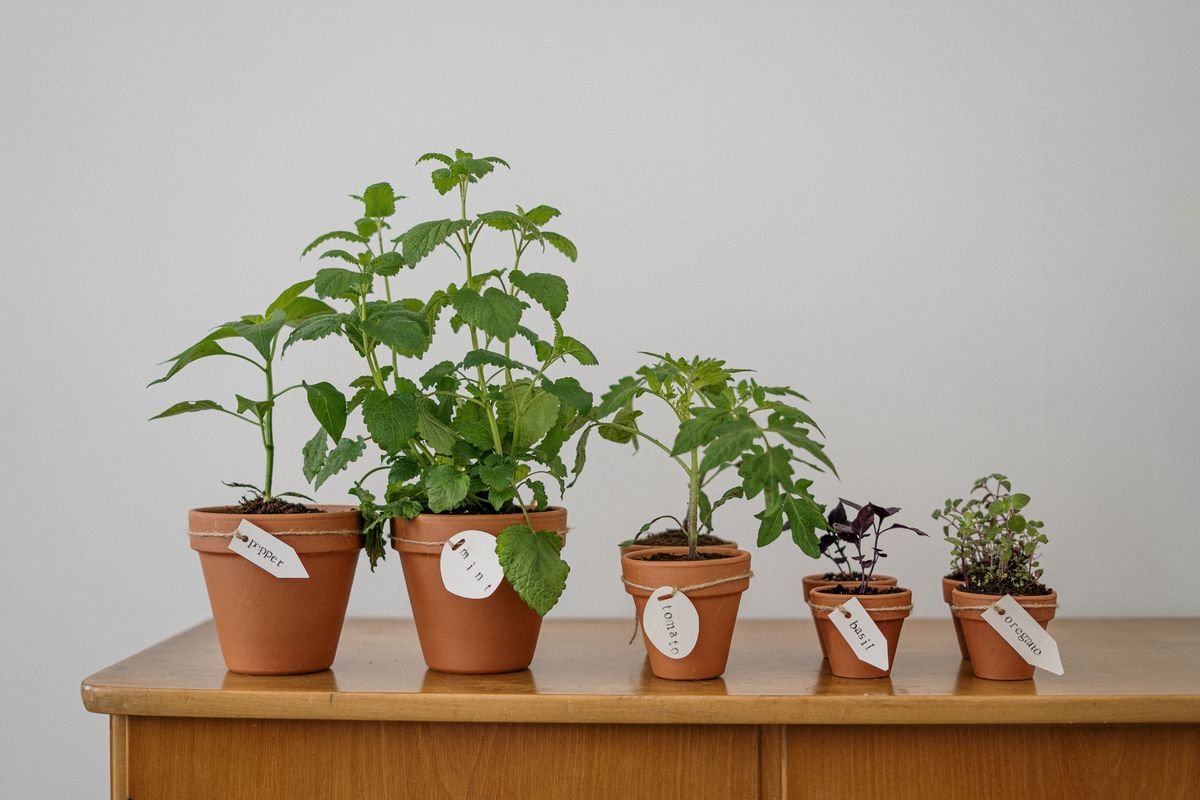
Most edible greens and fragrant herbs require at least five to six hours of bright, direct sunlight every day to produce strong flavor compounds.
A south-facing or west-facing patio wall generally offers the ideal sun exposure for outdoor setups.
If you plan to build an indoor vertical wall, install full-spectrum LED grow lights directly above the planters. Position the lights 12 to 18 inches away from the foliage to ensure balanced growth without burning tender leaves.
Soil Mix and Drainage Essentials
Standard backyard garden soil is too heavy and dense for vertical containers. It compacts quickly and suffocates root systems.
Instead, use a premium, lightweight potting mix enriched with perlite, coconut coir, and vermiculite.
This blend ensures quick water drainage while retaining just enough moisture and oxygen for healthy root development.
Mastering Your Watering Routine
Vertical planters dry out faster than traditional in-ground garden beds because they hold less soil volume and have high air exposure.
Installing a simple automatic drip irrigation line is the best way to maintain consistent moisture levels across all tiers.
Water gently from top to bottom so excess moisture filters down evenly without drowning the bottom tier.
Routine Care and Harvesting Tips

Harvest outer leaves regularly to encourage continuous new growth from the center crown of your leafy greens.
Pinch back the growing tips of your herbs frequently. This practice prevents early flowering and forces the plants to grow bushier rather than leggy.
Feed your vertical setup with a diluted, balanced organic liquid fertilizer every two to three weeks during active growth to replenish nutrients leached out during watering.
Is Your Space Ready for a Vertical Garden?
Answer 4 quick questions to see your result