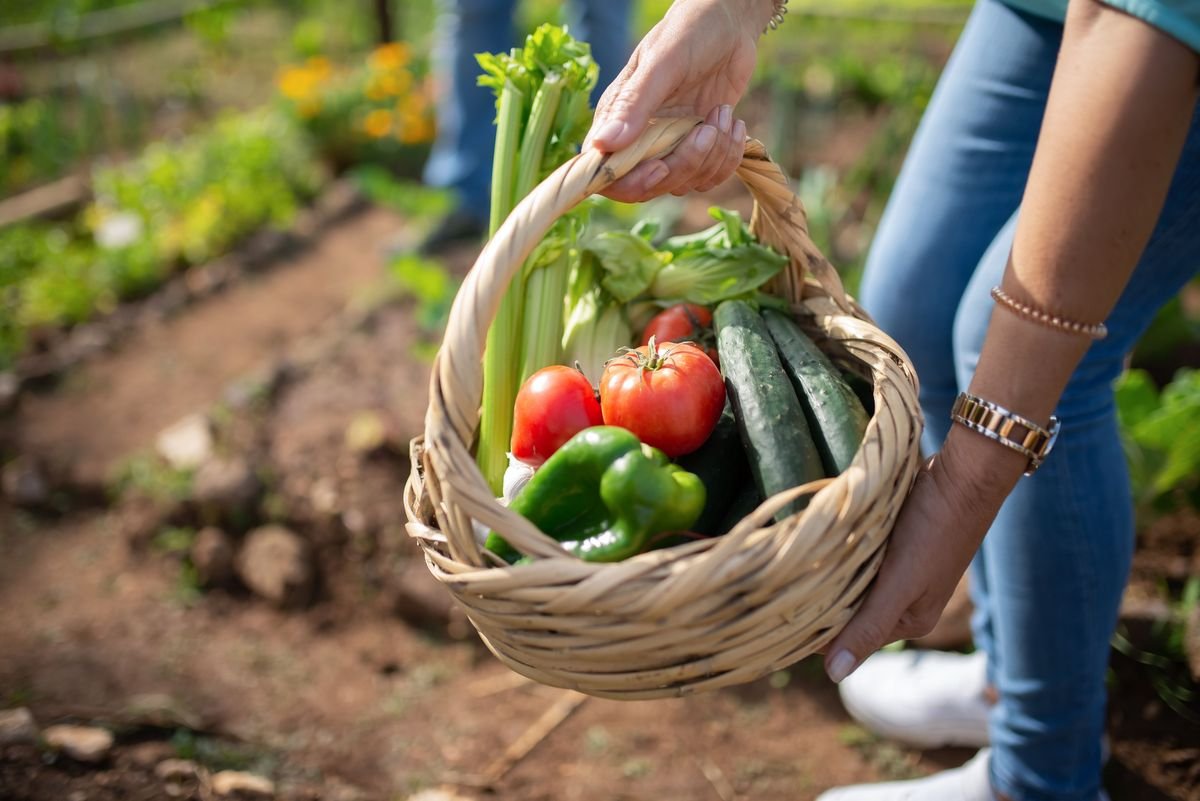
Growing your own vegetables at home is one of the most rewarding things you can do. You get fresh, crisp produce right from the soil, completely free of synthetic preservatives and grocery store markups. Knowing the exact care, love, and compost that went into every single bite gives you real peace of mind.
Most home gardeners stick to classic tomatoes, crisp cucumbers, and summer squash. While those are fantastic, you might wonder how you can get more substantial nutrition out of your garden beds. If you want to boost your daily nutrition, focusing on high protein crops is one of the smartest moves you can make. Let us explore the most protein-dense plants you can easily cultivate in your own backyard.
Lentils
Lentils might look tiny and delicate on the vine, but they pack an enormous nutritional punch. A single cup of raw lentils delivers around 18 grams of protein, while a cooked 100-gram portion provides roughly 9 grams. That is significantly more protein than you would receive from eating a large chicken egg.
These legumes are a powerhouse staple for anyone enjoying a plant-based lifestyle. They contain substantial amounts of iron, folate, and slow-burning carbohydrates that keep your energy steady for hours.
Lentils are also surprisingly easy to grow. They prefer cool weather and well-draining soil, making them a wonderful crop for early spring planting. Because they fix nitrogen directly into the earth through their roots, they leave your garden soil healthier and more fertile for future planting seasons.
Split Peas and Garden Peas
Peas are a cool-season garden classic that provide an incredible amount of dietary fuel. A single cup of cooked split peas contains about 16 grams of protein, along with generous amounts of potassium, magnesium, and dietary fiber.
Eating a bowl of split pea soup or adding fresh shelled peas to your dinner provides more than half of your daily recommended fiber intake. This high fiber level supports balanced blood sugar levels, aids smooth digestion, and keeps bad cholesterol in check.
Peas thrive when planted in the chilly days of late winter or early spring. Provide them with a simple trellis to climb, and they will reward you with abundant sweet pods in just a few short months.
Edamame and Soybeans
Edamame beans are immature soybeans harvested while still green and tender. They are one of the very few plant foods that provide a complete protein profile, containing all nine essential amino acids that our bodies cannot produce on their own.
One cup of cooked edamame delivers roughly 18 grams of clean protein alongside a massive dose of folate and vitamin K. These essential nutrients help maintain dense bone structure and protect long-term cardiovascular health.
Soybeans love warm summer weather and plenty of sunshine. You can plant them in mid-spring after all danger of frost has passed. Harvest the pods when they are plump and bright green, steam them with a pinch of sea salt, and enjoy a fresh protein snack straight from the patch.
Black Beans
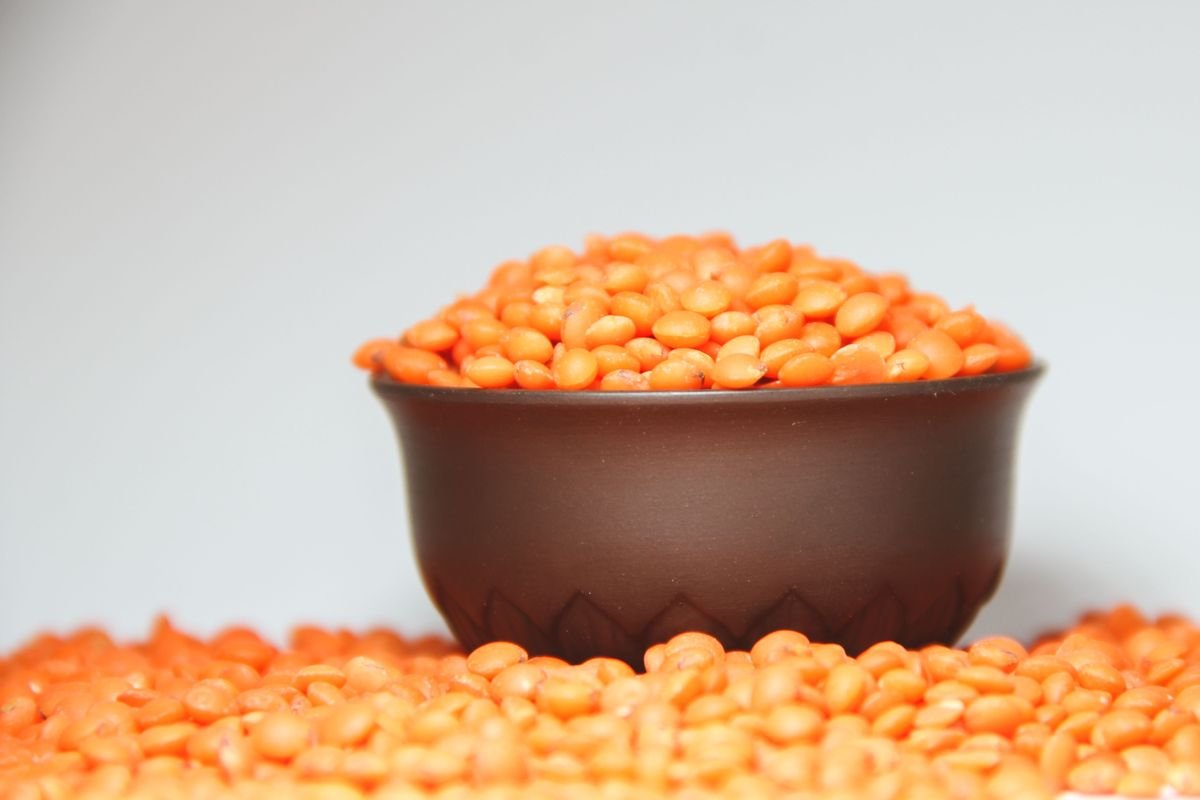
Black beans are an essential pantry staple across the globe, and growing them at home is simple. One cup of cooked black beans yields over 15 grams of protein and a rich, hearty texture that works wonders in soups, burritos, and homemade veggie burgers.
Because of their dense texture and savory flavor, black beans are a beloved substitute for meat. They are also packed with anthocyanins, the powerful dark antioxidants that protect your cells against inflammation and oxidative stress.
Black beans grow as warm-season bush or pole varieties. Allow the pods to fully dry on the vine until they rattle, then shell and store the dry beans in airtight jars for months of shelf-stable nutrition.
Chickpeas
Chickpeas, also known as garbanzo beans, are among the most versatile culinary ingredients you can grow. A single cup of cooked chickpeas provides approximately 14.5 grams of protein and a rich supply of zinc and manganese.
Whether you roast them into crunchy snacks, blend them into smooth hummus, or simmer them into rich curries, chickpeas make hitting your daily protein target effortless. Their balanced amino acid profile supports muscle repair, athletic recovery, and long-lasting fullness.
Chickpeas prefer mild, dry climates and loose soil that does not hold excess standing water. They produce bushy plants with small, papery pods that contain one or two nutritious seeds each.
Spinach and Dark Leafy Greens
Leafy greens might not seem like obvious protein powerhouses compared to dense legumes, but their nutritional density is remarkable. Spinach contains nearly 3 grams of protein per 100 grams, along with high concentrations of bioavailable amino acids like leucine and valine.
Spinach provides vital building blocks for muscle maintenance, sound sleep cycles, and cellular renewal. It is also loaded with vitamins A, C, and K, as well as plant-based iron and lutein for healthy eyesight.
Spinach thrives in cool spring and autumn temperatures and can even tolerate light frosts. Succession sow every two weeks to guarantee a steady supply of tender, nutrient-dense leaves for smoothies, salads, and sautés.
Fava Beans
Fava beans, or broad beans, are ancient legumes celebrated for their size and rich, buttery flavor. A cup of cooked fava beans provides roughly 13 grams of protein and an abundance of dietary fiber.
They are exceptionally high in L-dopa, an amino acid precursor that supports healthy dopamine production and optimal brain function. They also deliver steady amounts of copper, which helps your body form red blood cells and maintain immune defense.
Fava beans are remarkably cold-tolerant. In many mild winter zones, you can sow them in late autumn for an early spring harvest. Their sturdy, upright stalks produce fragrant blossoms followed by massive, leather-like green pods.
Runner Beans
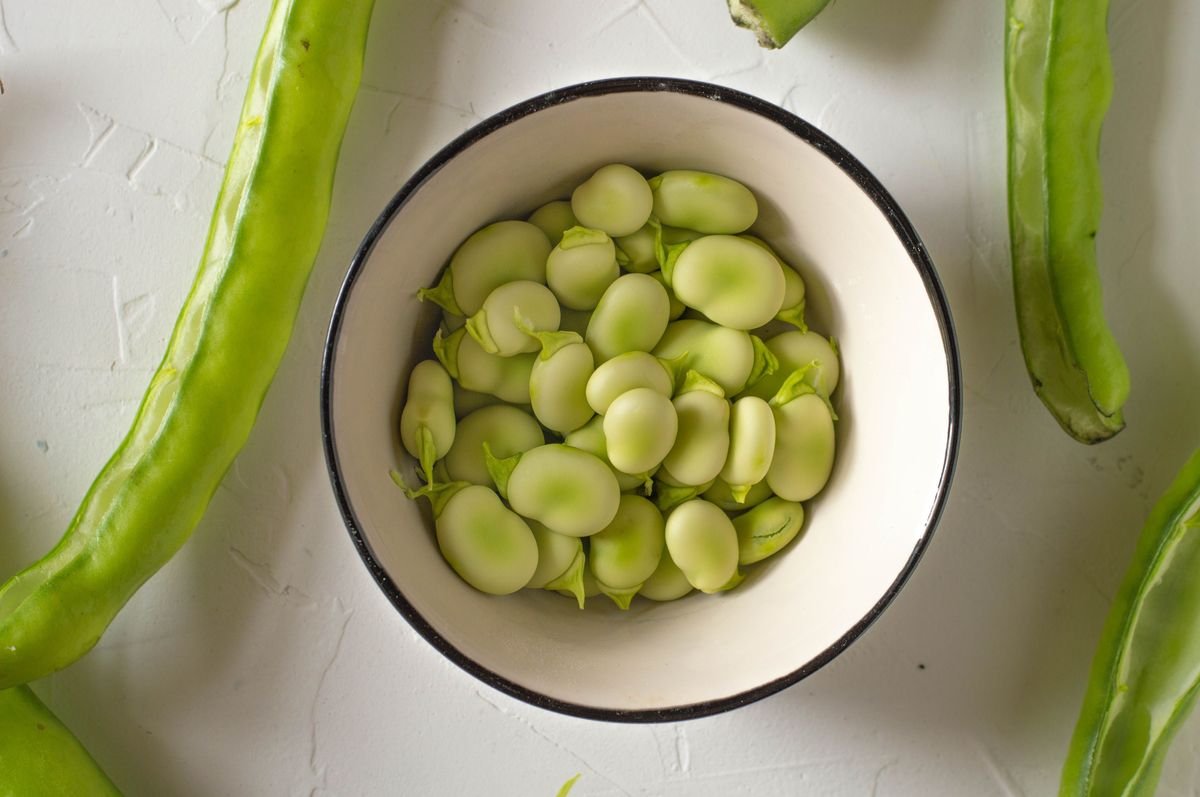
Runner beans are as visually stunning as they are practical, making them a prime choice for small gardens. Their vibrant scarlet blossoms attract hummingbirds and pollinators, while their tender young pods and mature seeds offer substantial protein.
Mature dried runner beans provide around 14 grams of protein per cooked cup. Their velvety texture holds up beautifully in stews, casseroles, and hearty pasta bakes.
These climbing vines grow rapidly and produce heavy yields throughout the summer. Give them a tall arbor or sturdy wooden trellis, and they will create a lush, productive vertical screen that saves valuable garden floor space.
Quinoa
Quinoa is technically an edible seed rather than a true grain, and it is a member of the same botanical family as spinach and beets. One cup of cooked quinoa supplies 8 grams of complete protein containing every single essential amino acid.
Beyond protein, quinoa seeds are loaded with magnesium, B vitamins, and dietary fiber that support stable metabolic health and sustained daily energy.
Quinoa plants are surprisingly resilient and drought-tolerant once established. In late summer, the tall seed heads transform into brilliant shades of magenta, gold, and crimson, adding spectacular ornamental beauty to your edible beds before harvest time.
Sunflower Seeds
Sunflowers do much more than brighten a garden fence. Their plump, edible seeds are concentrated pockets of protein, healthy fats, and vitamin E.
A quarter-cup serving of raw sunflower seeds yields roughly 7 grams of protein along with powerful antioxidants that protect heart health and nourish skin tissue.
Sunflowers are incredibly easy to raise from seed in sunny garden plots. Choose mammoth varieties for the largest seed yields, let the heads ripen until the backs turn brown, and collect the nutrient-packed seeds for roasting or snacking.
Tips for Growing High Protein Crops
To get the highest yields from your protein-rich plants, focus on soil health first. Legumes thrive best when you treat your planting seeds with a species-specific bacterial inoculant, which enhances their natural nitrogen-fixing abilities.
Ensure your beds receive at least six to eight hours of direct sunlight each day. Most bean and seed crops need strong sun exposure to develop dense, nutrient-heavy pods.
Keep moisture levels consistent, particularly during the flowering and pod-setting stages. Inconsistent watering can cause blossoms to drop prematurely, significantly reducing your final harvest volume.
Final Thoughts
Transforming your garden beds into a reliable source of protein is one of the most effective ways to boost your self-reliance and daily nutrition. By dedicating a portion of your growing space to legumes, greens, and nutrient-dense seeds, you can harvest clean, wholesome protein right outside your back door.
Start small by adding one or two new varieties this season. Whether you choose fast-growing edamame, hardy lentils, or sprawling runner beans, your body and your soil will thank you for the extra nourishment.
Is Your Garden Ready for High Protein Crops?
Answer 4 quick questions to see your result