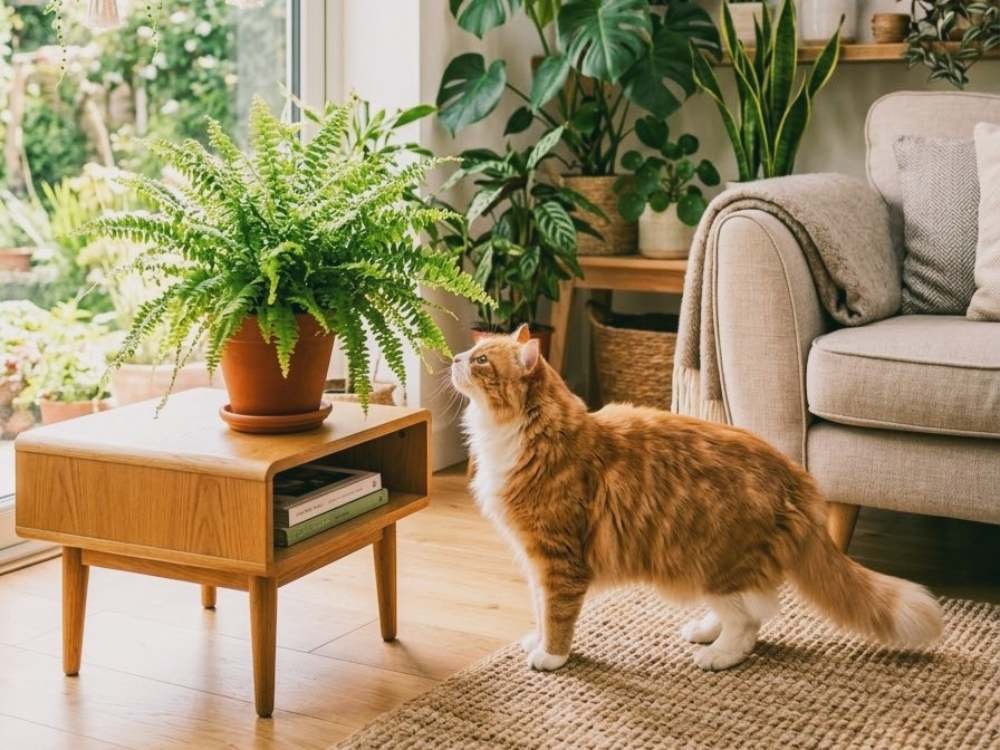
Living with cats does not mean you have to give up on your dream of an indoor jungle. While many popular houseplants like lilies, pothos, and monsteras can harm curious felines, plenty of stunning tropical varieties are certified pet-friendly.
Cats are natural explorers who often chew on greenery out of instinct, boredom, or playfulness.
By choosing non-toxic botanical species verified by the ASPCA and veterinary poison databases, you can keep your home vibrant and your feline companions perfectly safe.
Here is your ultimate guide to gorgeous, feline-safe houseplants, complete with care instructions and creative image prompts for your plant-styling mood board.
1. Spider Plant (Chlorophytum comosum)
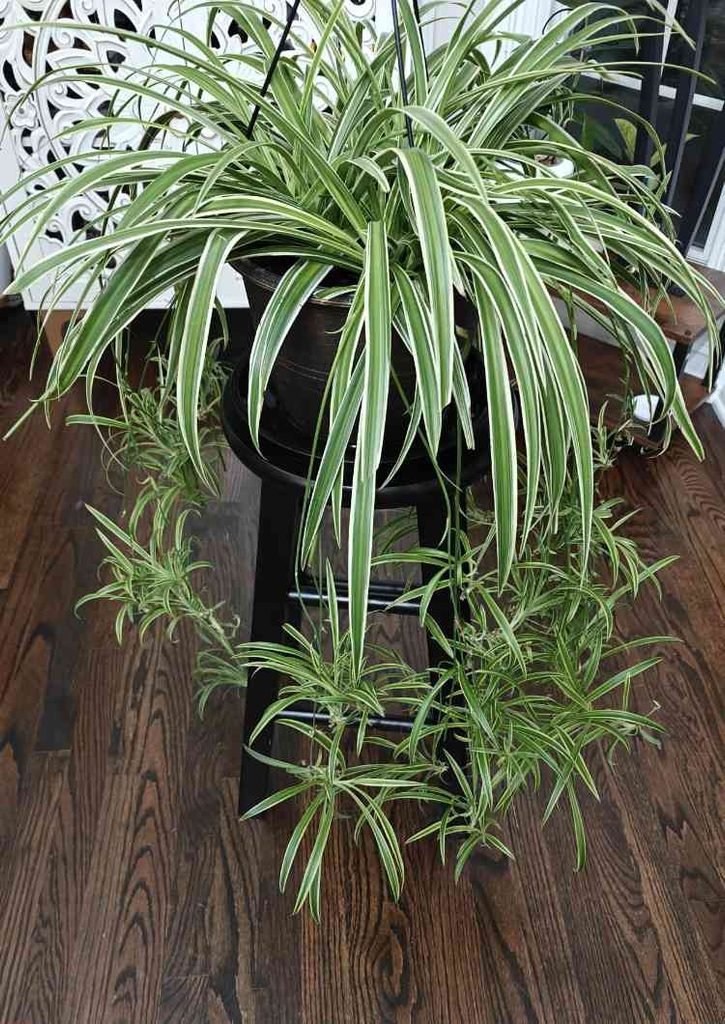
Spider plants are among the most resilient and popular green companions for any indoor space. Their long, arching leaves produce cheerful offshoots that dangle like miniature spiderlings.
The ASPCA classifies this plant as non-toxic, making it safe for curious felines. However, it produces a mild catnip-like stimulating effect that might encourage your cat to nibble.
- Light: Bright to moderate indirect light
- Water: Water when the top half of the soil feels dry to the touch
- Mature Size: 12 to 18 inches tall, 18 to 24 inches wide
- Pet Safety Note: Non-toxic, but hang high to prevent persistent playful chewing
2. Boston Fern (Nephrolepis exaltata)
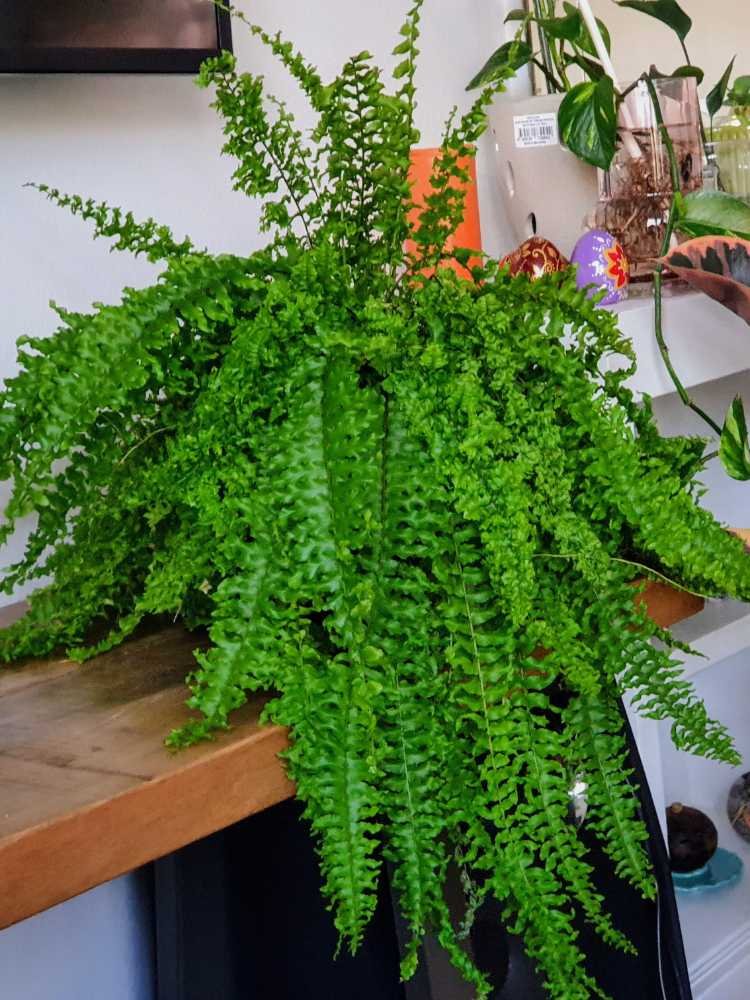
Boston ferns bring lush, feathery texture to living spaces with their arching, sword-like fronds. They look stunning in hanging baskets where their cascading greenery can spread out freely.
Cats often love batting at the soft, swaying leaflets during playtime. Fortunately, true ferns contain no dangerous toxins and will not poison your pet if nibbled.
- Light: Medium to bright indirect light with moderate shade tolerance
- Water: Keep soil evenly moist and maintain high humidity
- Mature Size: 2 to 3 feet tall, 2 to 3 feet wide
- Pet Safety Note: Harmless if swallowed, though eating large amounts of fiber may cause mild nausea
3. Parlor Palm (Chamaedorea elegans)
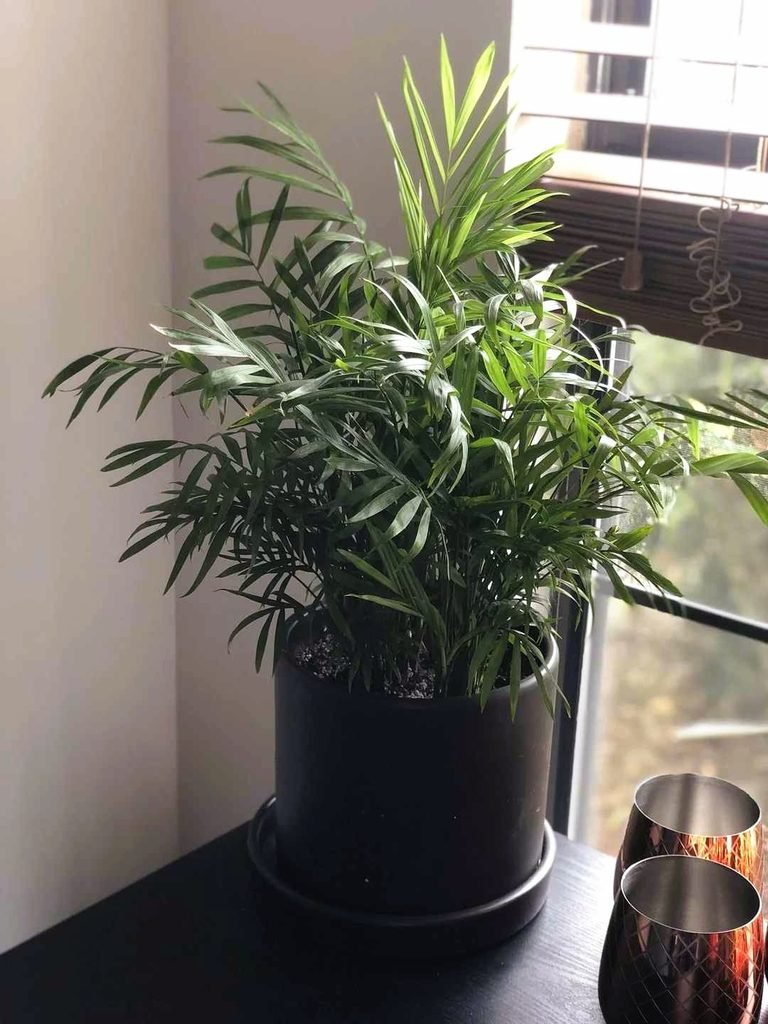
Parlor palms are classic indoor palms that add a gentle tropical aesthetic to shaded rooms. They stay relatively compact indoors, making them ideal for small apartments or side tables.
This hardy plant thrives on minimal care and handles low light exceptionally well. Unlike the deadly sago palm, parlor palms are certified non-toxic to cats. Nibbling on a few leaves will only cause mild stomach discomfort at most.
- Light: Low to medium indirect light; avoid harsh direct sun
- Water: Allow the top inch of soil to dry out between waterings
- Mature Size: 2 to 4 feet tall, 2 to 3 feet wide
- Pet Safety Note: Completely safe for cats and dogs; not to be confused with cycads
4. Areca Palm (Dypsis lutescens)
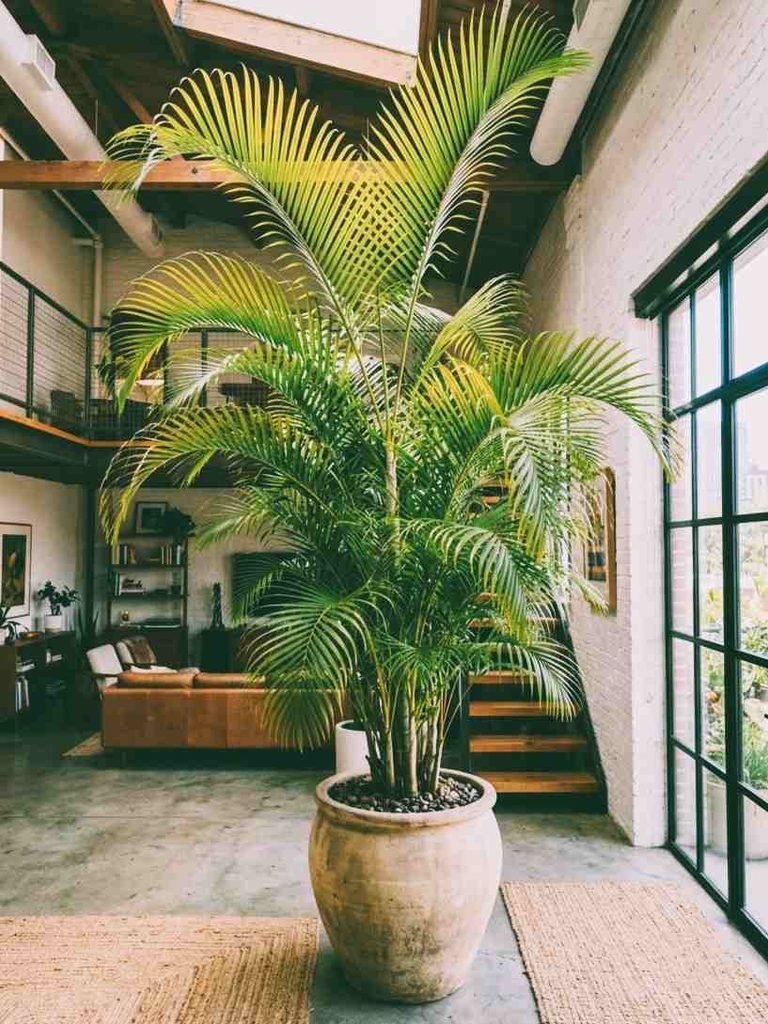
If you want a dramatic floor plant that makes a bold statement, the areca palm is a fantastic choice. It features tall, golden cane-like stems with sweeping feather fronds that can reach ceiling height.
This grand palm is completely non-toxic and pet-friendly according to veterinary poison registries. Your cat may brush against its sturdy base, but the foliage carries zero systemic chemical danger.
- Light: Bright, filtered indirect sunlight
- Water: Water when the surface soil begins to dry; avoid waterlogging
- Mature Size: 5 to 7 feet tall indoors, 3 to 4 feet wide
- Pet Safety Note: Non-toxic floor plant; use a heavy container so cats cannot tip it over
5. African Violet (Saintpaulia ionantha)
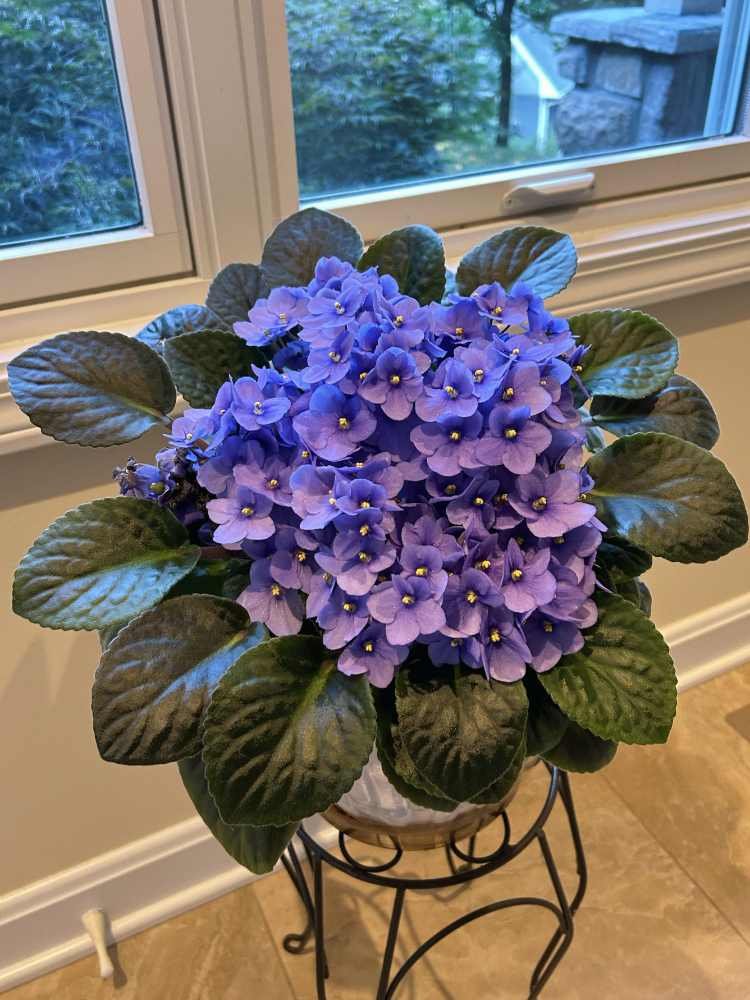
African violets are beloved flowering houseplants that provide continuous bursts of color indoors.
They feature compact rosettes of thick, fuzzy leaves paired with delicate purple or pink petals.
These charming blooms thrive in bright, indirect light and prefer bottom watering to protect their foliage.
The ASPCA confirms that African violets are entirely non-toxic to cats and dogs. While the fuzzy texture may tempt inquisitive paws, snacking on them will not poison your pet.
- Light: Bright indirect light for 10 to 12 hours a day
- Water: Sub-irrigate with room-temperature water; keep soil barely moist
- Mature Size: 4 to 6 inches tall, 6 to 9 inches wide
- Pet Safety Note: Entirely non-toxic; safe on low tabletops and desks
6. American Baby Rubber Plant (Peperomia obtusifolia)
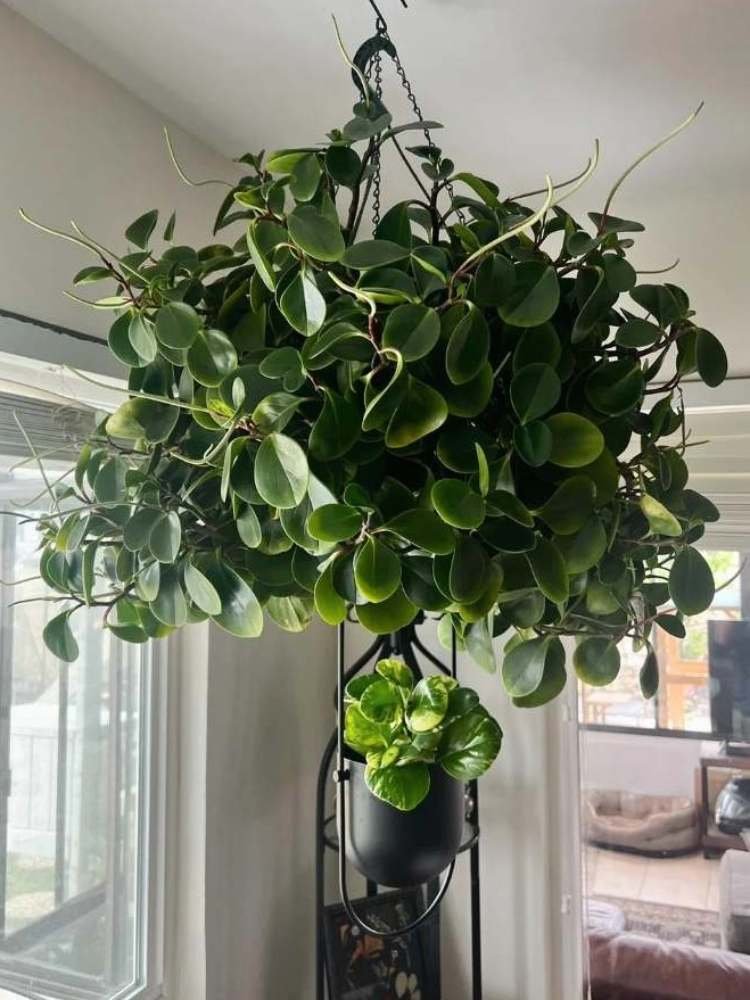
Baby rubber plants feature glossy, spoon-shaped leaves that store water like a mild succulent. Their compact, upright habit fits neatly on office desks, bookshelves, and kitchen windowsills.
Do not confuse this harmless beauty with the toxic rubber tree that produces irritating white latex. True Peperomia varieties are safe for cats and pose no chemical threat if chewed.
- Light: Medium to bright indirect light
- Water: Let the top two inches of soil dry out completely before watering
- Mature Size: 10 to 12 inches tall, 8 to 10 inches wide
- Pet Safety Note: Completely non-toxic; benign alternative to the Moraceae rubber tree
7. Prayer Plant (Maranta leuconeura)
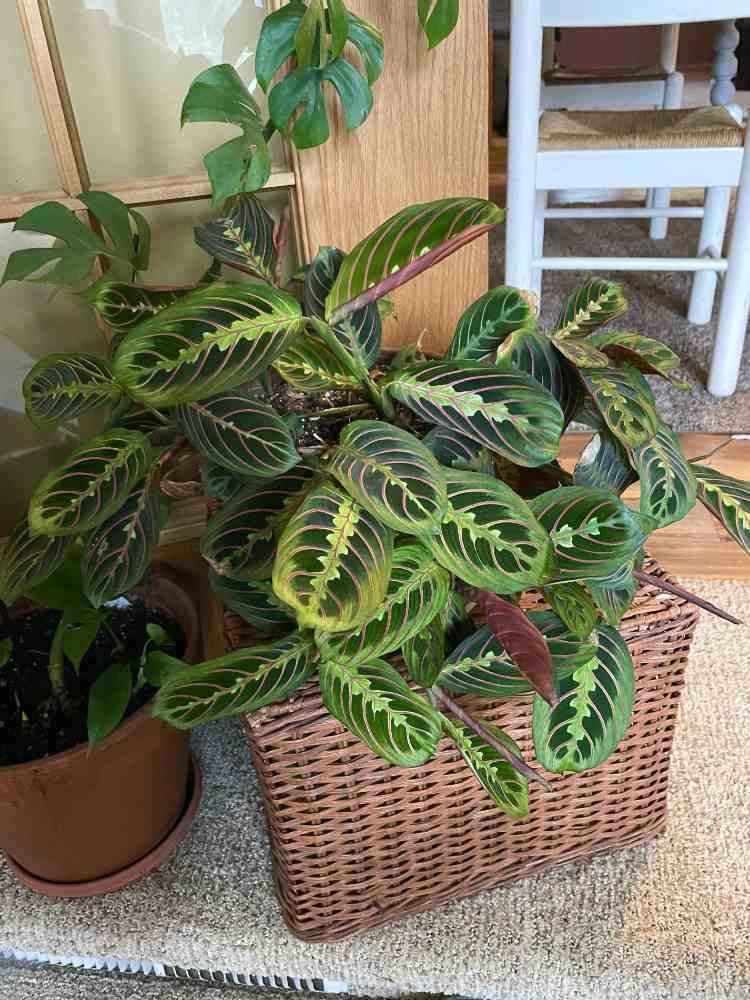
Prayer plants are famous for their ornamental foliage, decorated with intricate veins and bold patches. Each evening, their leaves fold upward like hands folded in prayer, responding to the fading light.
Cats find this subtle dusk movement fascinating and may watch the foliage closely. Thankfully, prayer plants are completely harmless and free of toxic compounds. You can enjoy their dramatic tropical colors without worrying about emergency vet visits.
- Light: Moderate to bright indirect light; avoid direct sun
- Water: Keep potting soil consistently moist using filtered or distilled water
- Mature Size: 8 to 12 inches tall, 12 to 18 inches wide
- Pet Safety Note: Non-toxic; harmless to cats when leaves trigger playful batting
8. Rattlesnake Plant (Calathea lancifolia)
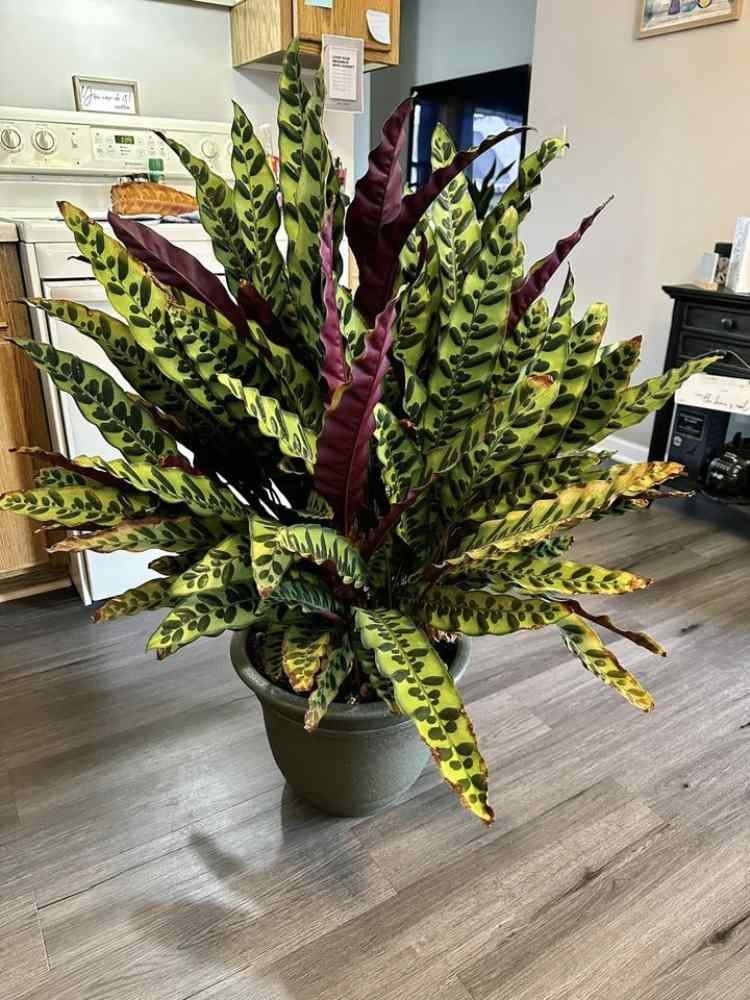
Rattlesnake plants showcase long, wavy-edged foliage painted with brushstroke patterns of light and dark green.
The underside of each leaf displays a stunning deep purple shade that adds rich warmth to any room.
These tropical gems require filtered light and moist air to keep their leaf tips crisp and healthy.
They are fully certified as non-toxic to felines, making them a safe stand-in for poisonous aroid plants.
- Light: Filtered indirect light or medium dappled shade
- Water: Water when the top half inch of soil feels dry
- Mature Size: 18 to 24 inches tall, 12 to 18 inches wide
- Pet Safety Note: Non-toxic foliage that is safe to display on side tables or plant stands
9. Cast Iron Plant (Aspidistra elatior)
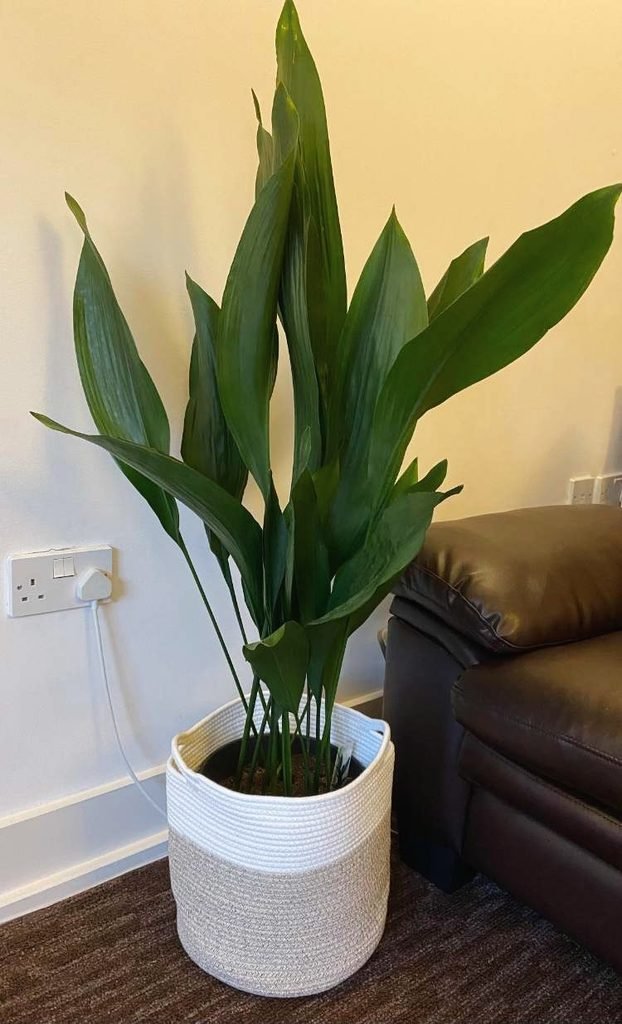
Cast iron plants earn their name by surviving through dim lighting and missed waterings with total ease.
They feature tall, deep green lanceolate leaves that bring an architectural feel to empty room corners.
Their tough, leathery foliage withstands accidental swats and playful nudges from resident cats.
The ASPCA certifies cast iron plants as non-toxic to both dogs and cats. Even if an ambitious cat chews a leaf corner, the tough fibers will not cause systemic toxicity.
- Light: Low light to medium indirect light; very shade tolerant
- Water: Allow the soil to dry out almost completely between waterings
- Mature Size: 2 to 3 feet tall, 1 to 2 feet wide
- Pet Safety Note: Certified non-toxic and tough enough to withstand playful paws
10. Bird’s Nest Fern (Asplenium nidus)
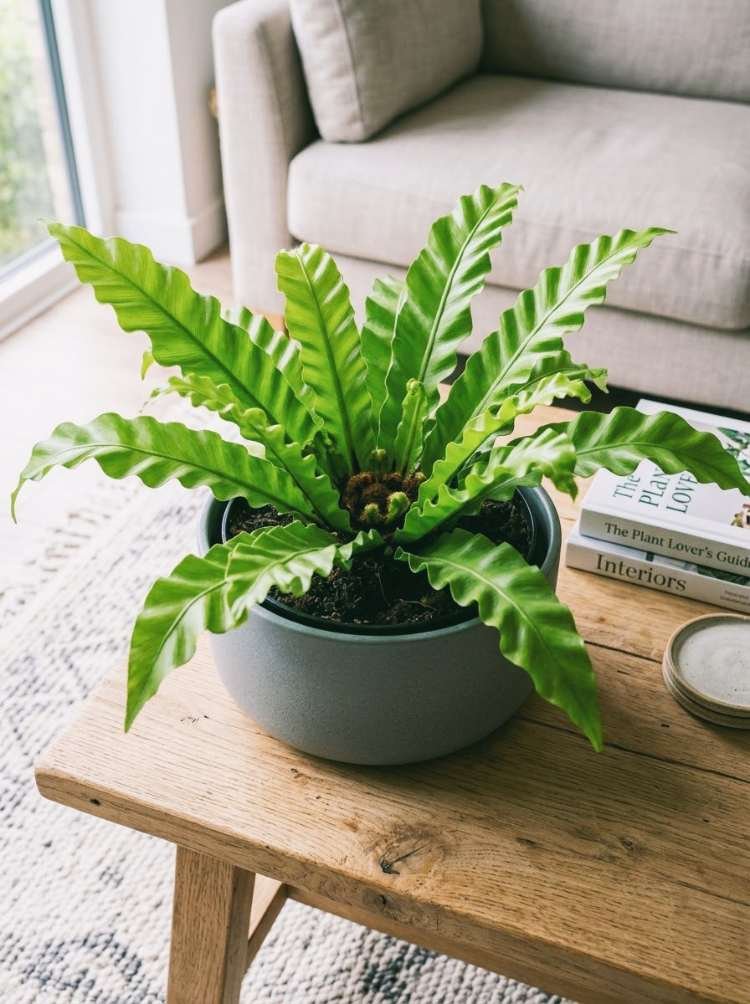
Bird’s nest ferns boast broad, vibrant green fronds with delightful crinkled margins that radiate from a central crown.
They offer a fresh, modern appearance that brightens up humid spots like bathrooms or kitchens.
Veterinary authorities confirm that this handsome epiphytic fern is non-toxic to felines. Your cat can safely sniff around the container without encountering harmful sap or irritating crystals.
- Light: Medium to bright indirect light; avoid direct sunlight
- Water: Water around the edges to keep soil moist; do not pour water into the center rosette
- Mature Size: 18 to 24 inches tall, 18 to 24 inches wide
- Pet Safety Note: Safe for all companion animals; free of irritants
11. String of Hearts (Ceropegia woodii)
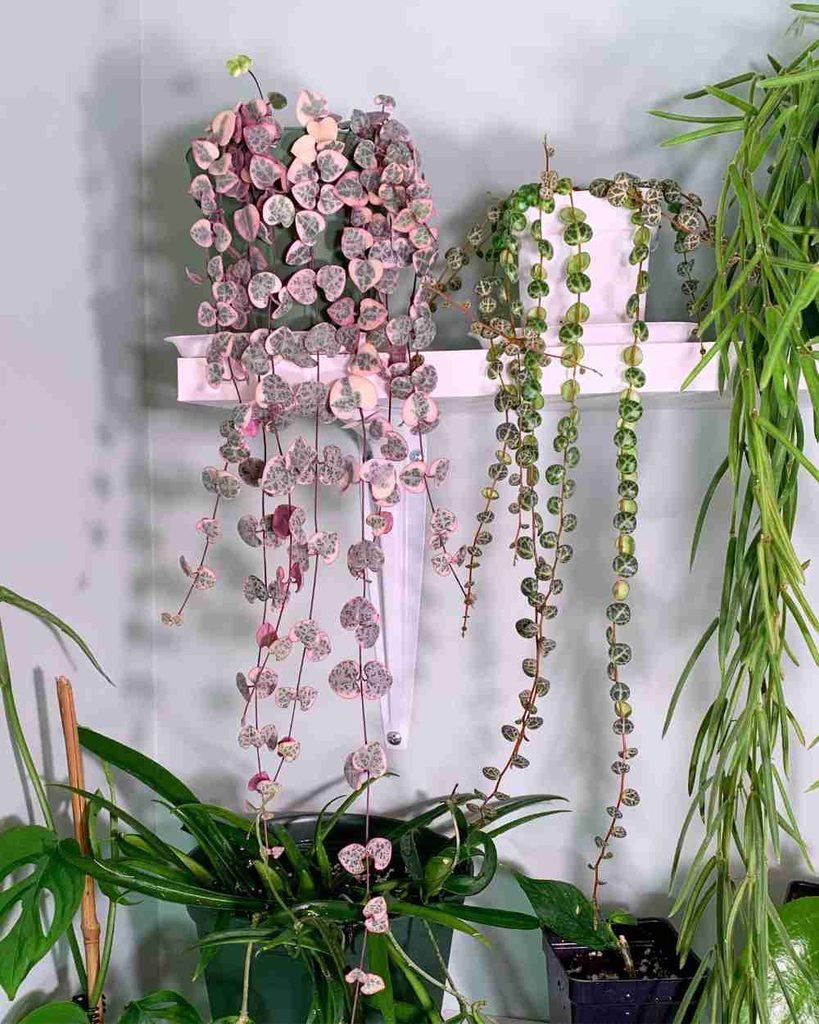
String of hearts is an elegant trailing succulent with slender vines adorned by tiny, heart-shaped leaves. The delicate foliage features silver marbling on top and soft rosy-purple tones on the undersides.
Unlike toxic trailing ivies or pothos, string of hearts is completely non-toxic to companion animals. Its cascading vines may tempt playful kittens to bat at the dangling threads. Hanging the planter high from a sturdy hook keeps the vines safe and avoids upset tummies.
- Light: Bright indirect light with a few hours of gentle morning sun
- Water: Water thoroughly only after the succulent potting mix has dried out completely
- Mature Size: Vines trail 3 to 6 feet long, 6 to 8 inches wide
- Pet Safety Note: Fully non-toxic alternative to toxic pothos and philodendrons
12. Moth Orchid (Phalaenopsis spp.)
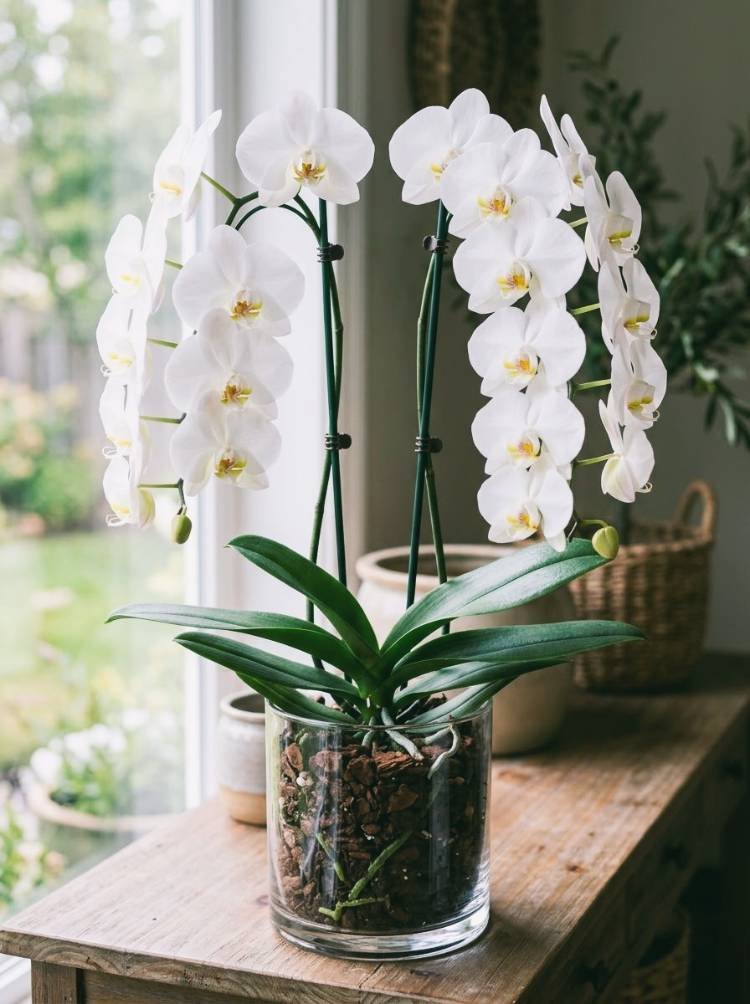
Moth orchids are sophisticated flowering houseplants that produce arching sprays of long-lasting, sculpted blooms. They grow in chunky bark chips and prefer gentle morning sunlight rather than heavy terrestrial soil.
While many cut flowers are hazardous to pets, moth orchids are completely safe for feline-loving homes. Curious cats might knock down a petal during play, but the plant carries no chemical toxins.
- Light: Bright, filtered indirect morning light
- Water: Soak the bark mix thoroughly every 7 to 10 days and let excess water drain out
- Mature Size: 12 to 24 inches tall, 12 to 16 inches wide
- Pet Safety Note: Certified pet-safe; provides floral beauty without the fatal risks of true lilies
Practical Tips for Plant Parents with Cats
Even when growing non-toxic plants, keeping curious paws and healthy leaves apart takes a little planning.
Cats are obligate carnivores whose stomachs are not designed to digest large piles of fibrous plant matter.
Chewing excessive amounts of any leaf can cause self-limiting nausea or vomiting.
Here are four simple ways to keep your plants thriving and your cats happy:
- Use Vertical Display Options: Hang trailing plants like string of hearts and spider plants from ceiling hooks or wall brackets, keeping them at least five feet away from launch points like couches or shelves.
- Cover Loose Potting Soil: Place large, smooth river stones on top of the soil in floor containers to stop cats from digging or using planters as litter boxes.
- Offer Cat Grass Trays: Grow a dedicated dish of organic wheatgrass or oat grass near your cat’s bed to satisfy their natural urge to chew on greens.
- Empty Drainage Saucers: Never allow runoff water containing concentrated fertilizer salts to sit in drip trays where pets might drink it.