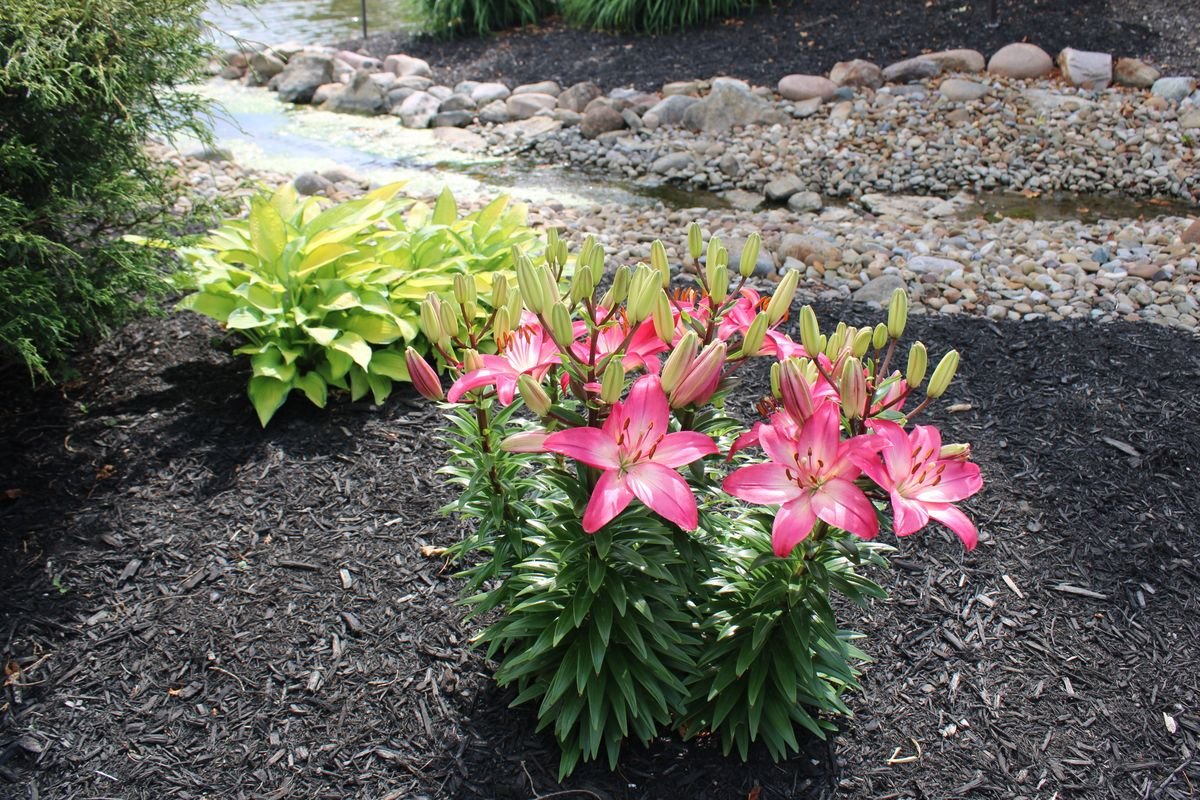
Gardeners are always searching for ways to keep their landscape beds healthy, tidy, and low maintenance. Both wood chips and recycled rubber nuggets offer unique benefits, leading many homeowners to wonder if combining them into a single blend is a smart gardening strategy.
You can certainly mix rubber mulch with wood mulch. Combining these two materials can create a durable ground cover that slows soil evaporation, discourages weeds, and brings a distinct visual texture to your outdoor spaces.
Before grabbing your rake, it helps to understand how these mulches interact, where the combination works best, and which precautions you should keep in mind.
Can You Combine Rubber Mulch and Wood Mulch
The short answer is yes. Gardeners frequently combine rubber mulch and wood mulch to balance longevity with soil nourishment.
Wood mulch is entirely organic and breaks down naturally over time, providing your topsoil with beneficial organic matter and microbes. In contrast, rubber mulch is inorganic and manufactured from recycled tires, meaning it can withstand weather extremes for a decade or more without decaying.
When you blend the two materials, you create a hybrid ground cover that lasts longer than pure wood while still allowing organic decomposition to take place underneath.
Moisture Retention in the Soil
Conserving soil moisture is one of the primary reasons to apply mulch around plants and trees. Combining rubber with wood creates a dual action moisture barrier.
Rubber pieces do not absorb water, allowing rain or irrigation to pass directly through to the soil surface without soaking into the mulch itself. Once the moisture enters the ground, the dense rubber pieces create a non-porous shield that slows evaporation significantly.
Meanwhile, the wood mulch layer absorbs a portion of the water and releases it slowly into the surrounding soil. Together, these two materials keep plant roots consistently hydrated, which can reduce your overall watering schedule during dry summer months.
Effective Weed Prevention
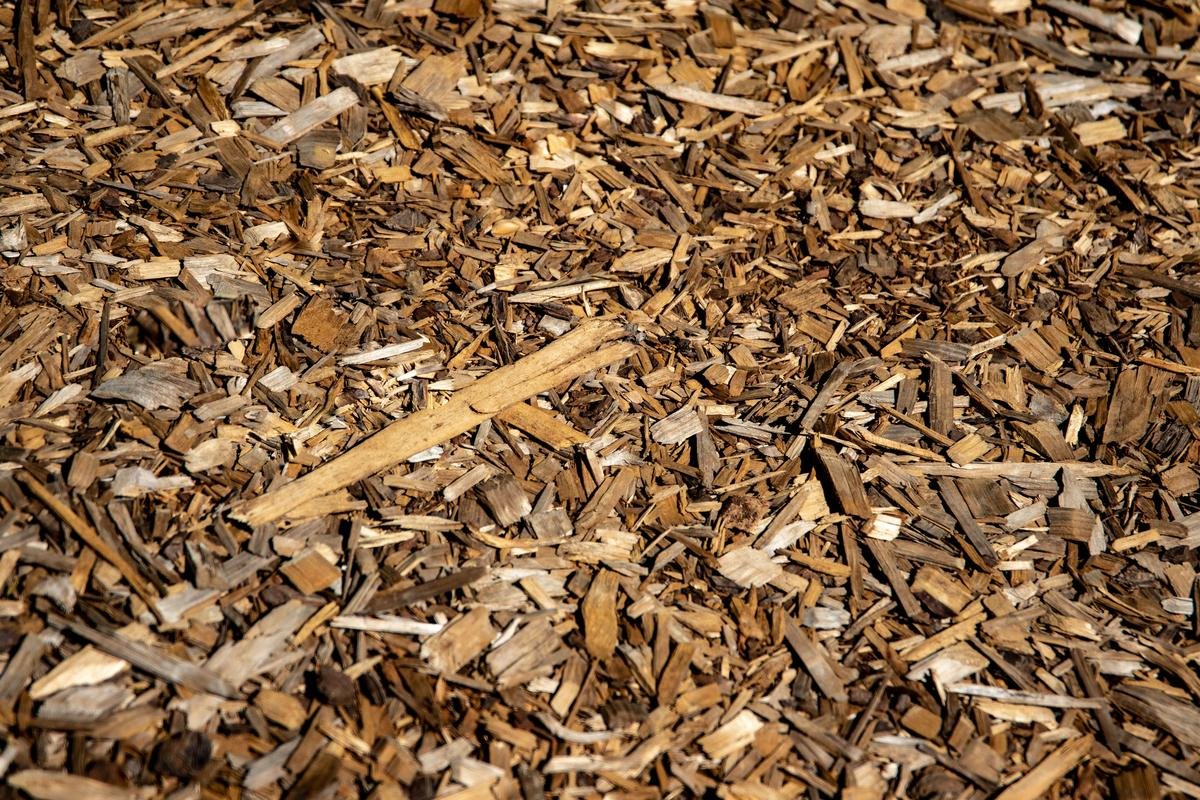
Weed seeds require sunlight, warmth, and moisture to germinate. A blended mulch layer provides strong defense against unwanted garden growth.
Rubber mulch creates a dense, heavy layer that blocks sunlight from penetrating the ground. Because rubber remains intact year after year, it will not decompose into a soft seedbed where airborne weed seeds can easily take root.
Wood mulch enhances this suppression by settling tightly into the gaps between larger rubber pieces. As the wood chips naturally decompose, they also release mild organic compounds that inhibit the growth of certain weed seedlings, making the hybrid layer exceptionally tough on garden weeds.
Long Lasting Ground Cover
Traditional wood mulch typically requires a fresh top dressing every spring because sunlight, rain, and soil organisms break it down rapidly. This regular replacement can demand substantial time and physical effort.
Rubber mulch resists fading, rotting, and insect damage. It stays in place during heavy rainstorms and windy weather, providing reliable structural mass to your landscape beds.
By mixing rubber with wood, you extend the lifespan of your top dressing considerably. While you may still need to add a light layer of wood chips every couple of years to keep the organic balance fresh, you will not have to replace the entire bed nearly as often.
Visual Appeal and Garden Texture
Aesthetics play a large part in landscaping decisions, and a mixed mulch bed can offer an attractive visual contrast.
Wood mulch delivers a natural, earthy finish with classic tones of cedar, pine, or rich brown bark. It blends effortlessly with native plants, perennial borders, and woodland themes.
Rubber mulch provides rich, uniform color choices such as dark charcoal, red brick, or deep espresso. When mixed evenly, the coarse, matte look of recycled rubber complements the organic fibers of wood, giving your landscape borders a modern yet grounded look.
Temperature Regulation for Plant Roots
Sudden temperature swings can cause severe stress to shallow root systems, particularly during intense heat waves or freezing winter nights.
A mixed mulch layer serves as a protective blanket over the root zone. Wood mulch acts as a natural insulator, moderating the soil temperature so plant roots stay cooler in the summer and warmer in the winter.
It is worth noting that dark rubber mulch absorbs heat under intense midday sun. By incorporating lighter wood mulch into the blend, you help disperse the absorbed heat and prevent the ground below from becoming excessively warm.
Potential Drawbacks to Consider
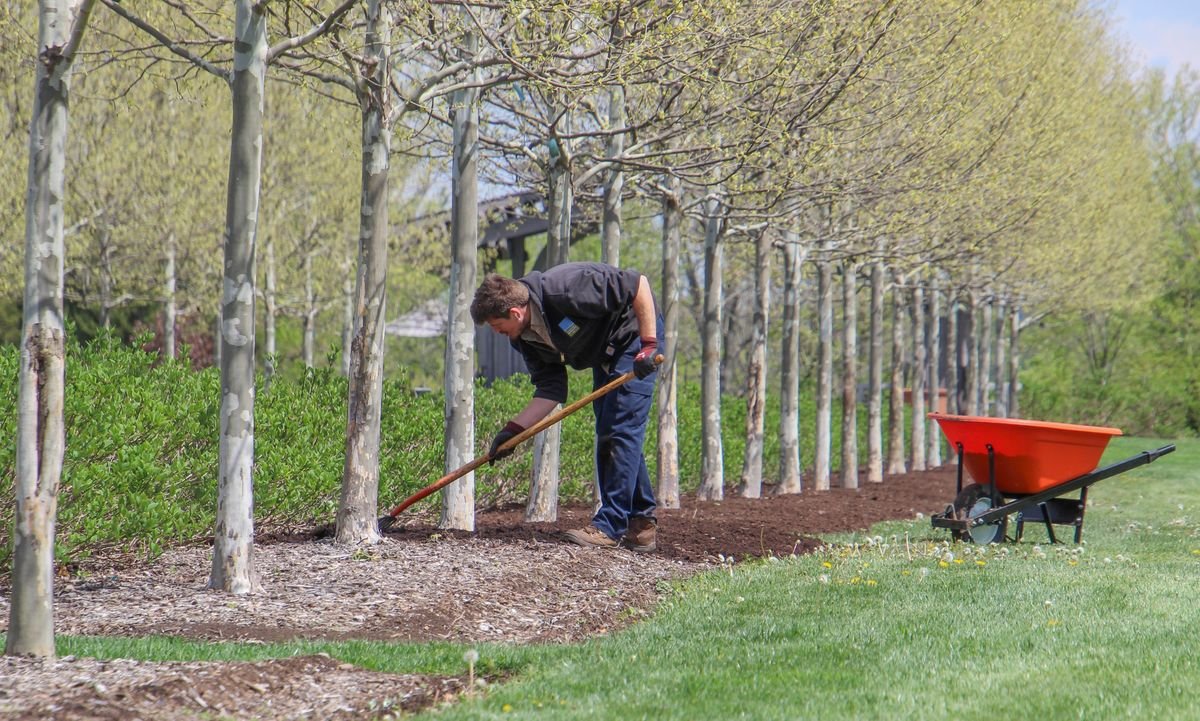
While there are clear benefits, mixing organic and inorganic mulches is not suitable for every gardening scenario. You should consider the following practical challenges:
- Separating the two materials later is nearly impossible once they are thoroughly mixed into the soil bed.
- Rubber mulch does not contribute nutrients or support beneficial soil organisms the way purely organic matter does.
- If you decide to change your landscape design in future seasons, removing rubber fragments from garden dirt requires painstaking sifting.
- The initial purchase price of high quality rubber mulch is substantially higher than standard wood chips.
Safety and Chemical Concerns
Rubber mulch is typically manufactured from recycled vehicle tires. As a result, there are specific safety factors you should evaluate before spreading it near delicate plants.
Some rubber products can release trace amounts of zinc, heavy metals, or petroleum residue over extended periods, particularly when exposed to extreme heat and acidic soil conditions. For this reason, you should avoid using rubber blends in edible vegetable gardens, herb patches, or around fruit trees.
Always choose non-toxic, certified playground-grade or landscape-grade rubber that is guaranteed free of steel wire fragments and harmful volatile chemicals.
Step by Step Guide to Mixing Mulch
Applying a balanced combination of rubber and wood mulch is straightforward when you follow a clear sequence.
- Clear the garden bed completely by removing weeds, dead roots, rocks, and old degraded mulch.
- Apply a generous base layer of shredded wood mulch, roughly one to two inches deep, directly on top of the soil.
- Spread your clean, high quality rubber mulch over the wood layer in a matching one to two inch thickness.
- Use a flexible landscape rake to gently combine the two layers until the materials are evenly distributed across the bed.
- Keep total mulch depth between three and four inches, making sure to leave two inches of open space around plant stems and tree trunks.
- Spray the finished bed lightly with a garden hose to help the particles settle firmly into position.
Tips for Long Term Maintenance
Maintaining a hybrid mulch bed requires slightly different care than managing traditional bark.
Every spring, use a leaf blower on a low setting or a light rake to clear away fallen leaves and plant debris without disturbing the mulch blend. Check for uneven settling after heavy rainfall, and rake high spots back into low areas.
If the top surface begins to look faded after several seasons, you can rake in a small amount of fresh wood mulch to revitalize the natural scent, color, and soil-nourishing properties of the bed.
Best Spots in Your Garden for Mixed Mulch
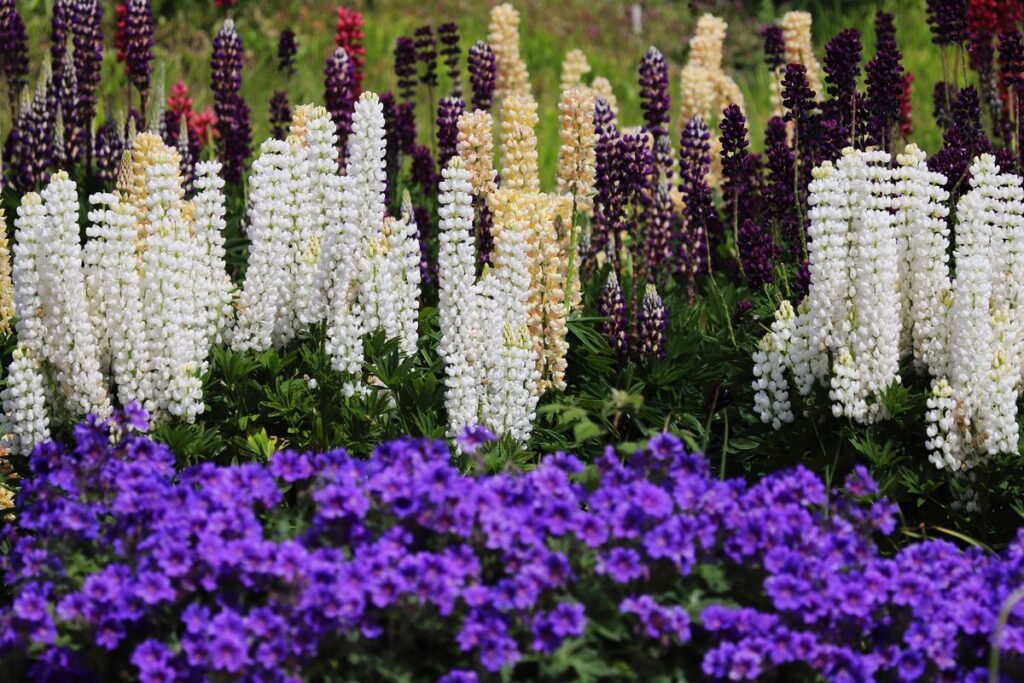
A mixed mulch bed excels in specific landscape locations where durability and weed resistance are top priorities.
Consider using this combination around established ornamental trees, extensive shrub borders, high-traffic garden walkways, and boundary fences. In these locations, the long lifespan of rubber mulch reduces overall labor, while the wood layer protects soil health.
Reserve pure organic wood chips or compost for your raised vegetable beds, annual flower beds, and kitchen herb gardens where ongoing soil improvement is vital.
Is a Rubber and Wood Mulch Blend Right for Your Garden?
Answer 4 quick questions to see your result