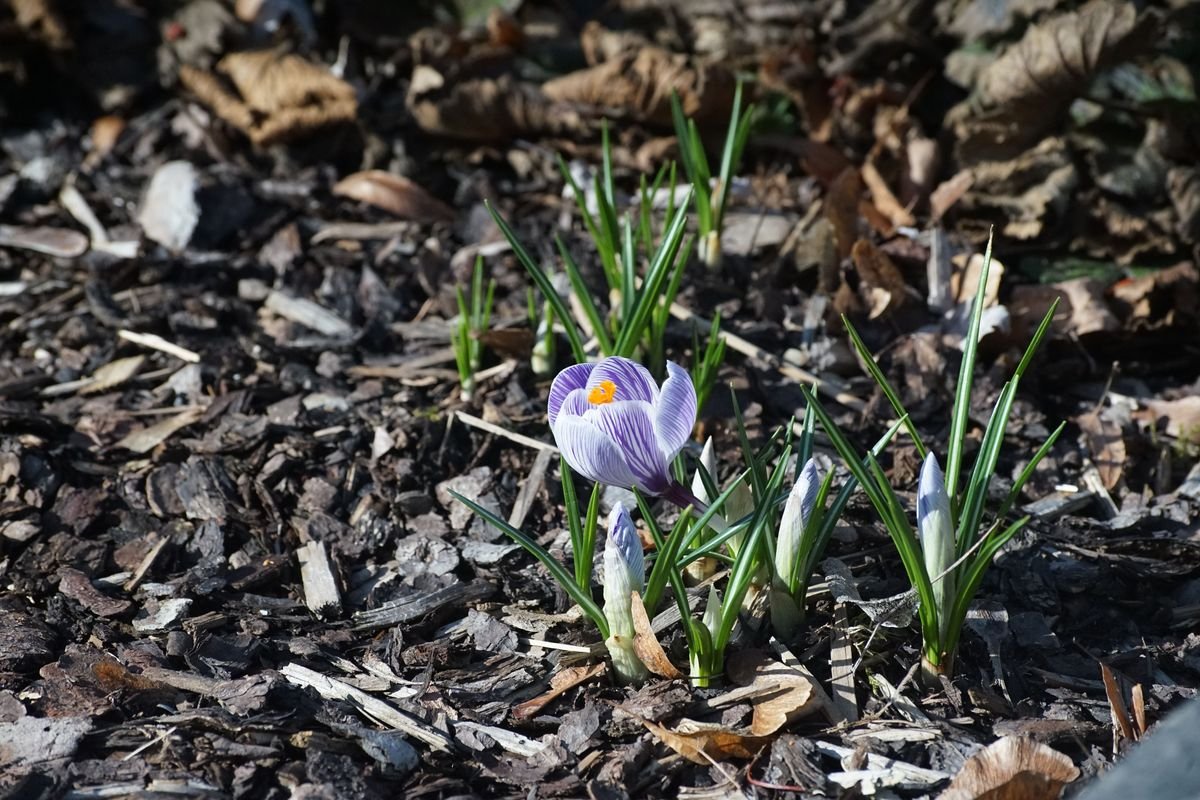
You step outside to admire your garden beds on a bright morning, only to find an uninvited surprise sitting on top of your fresh wood chips. A patch of yellow slime, white fuzz, or crusty gray webbing has spread across the mulch around your favorite perennials.
Finding mold in your landscape can be alarming, especially if you worry it will spread to your prize flowers or vegetable crops.
The good news is that moldy mulch is an extremely common gardening event, and understanding how it works makes managing it simple and stress-free.
Can Mulch Grow Mold
The short answer is yes. Mulch can and often does grow mold.
Organic mulch consists of natural plant materials such as shredded bark, hardwood chips, straw, pine needles, and composted leaves. These materials are dead organic matter, which means they are the natural food supply for decomposing microorganisms.
Fungi and bacteria are responsible for breaking down woody materials into rich humus that enriches your soil. Under normal garden conditions, millions of microscopic fungal spores live quietly within every bag or pile of mulch without causing visible problems.
When temperature, humidity, and airflow line up in a specific way, those dormant fungal spores wake up and multiply rapidly, creating visible colonies on the surface of your garden beds.
Why Mold Grows on Mulch
Mold appears on mulch because the ground provides the ideal environment for organic breakdown.
Mulch is designed to insulate soil and retain water for plant roots. While this is great for thirsty flowers and shrubs, it also traps moisture at the ground level.
As organic materials begin to decompose, natural bacterial activity generates internal heat inside the mulch layer. When you combine this warmth with trapped moisture and a steady food supply, you have an ideal incubator for fungal growth.
Garden beds located in full shade or areas with poor air movement are particularly prone to fungal blooms because the mulch surface rarely dries out between waterings.
The Three Conditions Fungi Need to Thrive
Fungi cannot grow without three essential factors working together in your landscape:
- An Organic Food Source: Wood chips, bark fragments, cellulose fibers, and decaying leaves supply the nutrients fungi need to build their structures.
- Consistent Moisture: High humidity, frequent overhead irrigation, or excessive rain saturate mulch pores and trigger spore germination.
- Warm Temperatures: Warm spring and summer weather accelerates fungal metabolism, allowing small patches to expand over several hours.
If you eliminate even one of these elements, fungal growth slows dramatically or stops altogether.
Common Types of Mold in Garden Mulch
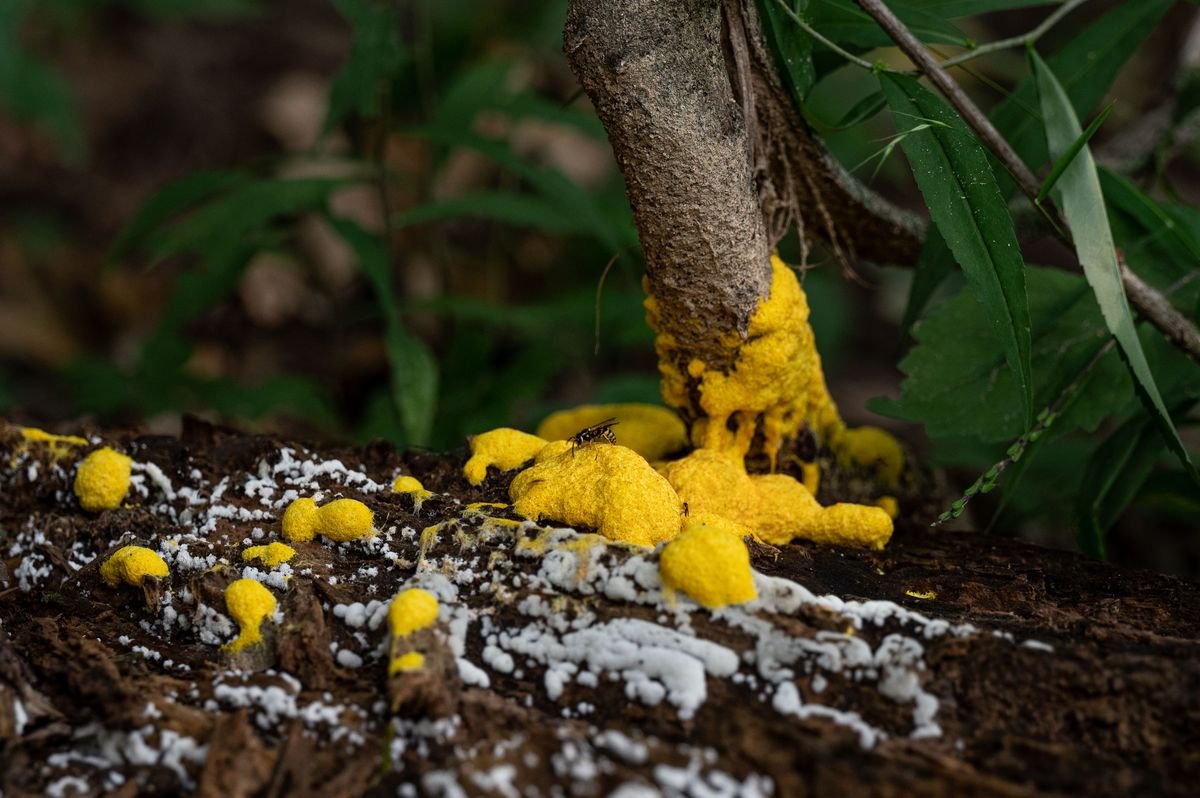
Gardeners encounter several distinct varieties of fungi in their flower beds, each with its own look and behavior.
Most landscape fungi fall into the category of saprophytic organisms. This means they feed exclusively on dead wood and plant tissues rather than living root systems.
Some species look like powdery white dust scattered over the surface of the wood chips. Others produce firm, spongy mats that look like expanding foam.
Knowing which fungal organism has moved into your yard helps you decide on the best way to handle it.
Slime Mold and Dog Vomit Fungus
One of the most noticeable mulch dwellers is Fuligo septica, commonly known as dog vomit slime mold.
This organism starts as a bright yellow or orange mass that looks like scrambled eggs or foamy vomit on top of the mulch. Over the course of twenty-four to forty-eight hours, it dries into a crusty, tan or brown cake.
When disturbed, dry slime mold releases a cloud of fine brown spores into the air.
While dog vomit slime mold is visually unappealing, it is completely harmless to your garden soil and plants. It merely consumes bacteria on the mulch surface and decomposes on its own within a few days.
Artillery Fungus and Birds Nest Fungus
Artillery fungus, scientifically known as Sphaerobolus stellatus, is a small cream or tan fungus that produces tiny cups containing black spore masses.
This fungus is famous for shooting its sticky black spores up to fifteen feet into the air toward light-colored surfaces. If your mulch sits against light vinyl siding, white fences, or parked cars, artillery fungus can leave stubborn black dots that are difficult to scrub away.
Bird’s nest fungus, on the other hand, forms tiny decorative cups filled with egg-shaped spore packets.
When raindrops hit these miniature nests, the water droplets splash the spore packets outward. Bird’s nest fungi are harmless, do not stain structures, and assist in creating fertile, crumbly soil.
How to Identify Moldy Mulch
Identifying mold on your mulch usually takes nothing more than a quick visual check during your garden rounds.
Look for obvious signs of fungal development across the top layer of your landscape beds:
- Color Changes: Bright yellow, vibrant orange, powdery white, pale green, or deep black patches covering wood chips.
- Texture Shifts: A soft, slimy, or fuzzy layer coating the mulch rather than crisp, rough wood.
- Hydrophobic Crusts: A hardened, interwoven mat of fungal threads (mycelium) that causes water to bead up and run off instead of sinking into the soil.
- Musty Odors: A noticeable earthy, sour, or damp smell when standing near the affected bed.
If the mulch feels spongy, sticky, or mats together when you pick up a handful, fungal mycelium is actively colonizing the material.
Does Moldy Mulch Harm Your Plants
In the vast majority of cases, mold on mulch does not harm your garden plants directly.
Because these fungi are saprophytes, they lack the biological mechanisms required to attack living, healthy stems or foliage. Your flowers, vegetables, and ornamental shrubs will continue to grow and bloom normally.
However, moldy mulch can cause indirect problems if left unchecked.
When fungal mycelium forms a dense, water-repellent blanket over the bed, water cannot reach plant roots beneath it. Rain and hose water simply slide off the crust and puddle elsewhere, causing your plants to suffer from drought stress.
Additionally, fungal colonies compete with root systems for ambient nitrogen while breaking down raw wood chips, which can temporarily stunt growth in young seedlings.
Mulch Mold Risks for People and Pets
For healthy adults, garden mulch molds pose very little danger beyond general aesthetic frustration.
However, individuals with respiratory sensitivities, asthma, or severe mold allergies should exercise caution. Disturbed fungal mats release microscopic spores into the air, which can trigger coughing, sneezing, itchy eyes, or breathing difficulty.
Curious pets, particularly dogs, should be discouraged from snacking on moldy garden debris.
While standard slime molds are non-toxic, consuming large amounts of rotting, moldy mulch can cause stomach upset, vomiting, or gastrointestinal distress in animals. Certain rare molds can produce mycotoxins that are harmful if ingested in quantity.
Can Mold Spread Across Your Yard
Fungal spores are extremely light, making them easy to transport across your property.
Wind gusts easily carry dry spores from one flower bed to another. Heavy rainstorms and sprinkler runoff wash spores into new corners of your landscaping.
Wildlife, birds, and domestic pets also carry spores on their paws, fur, and feathers as they move through your yard.
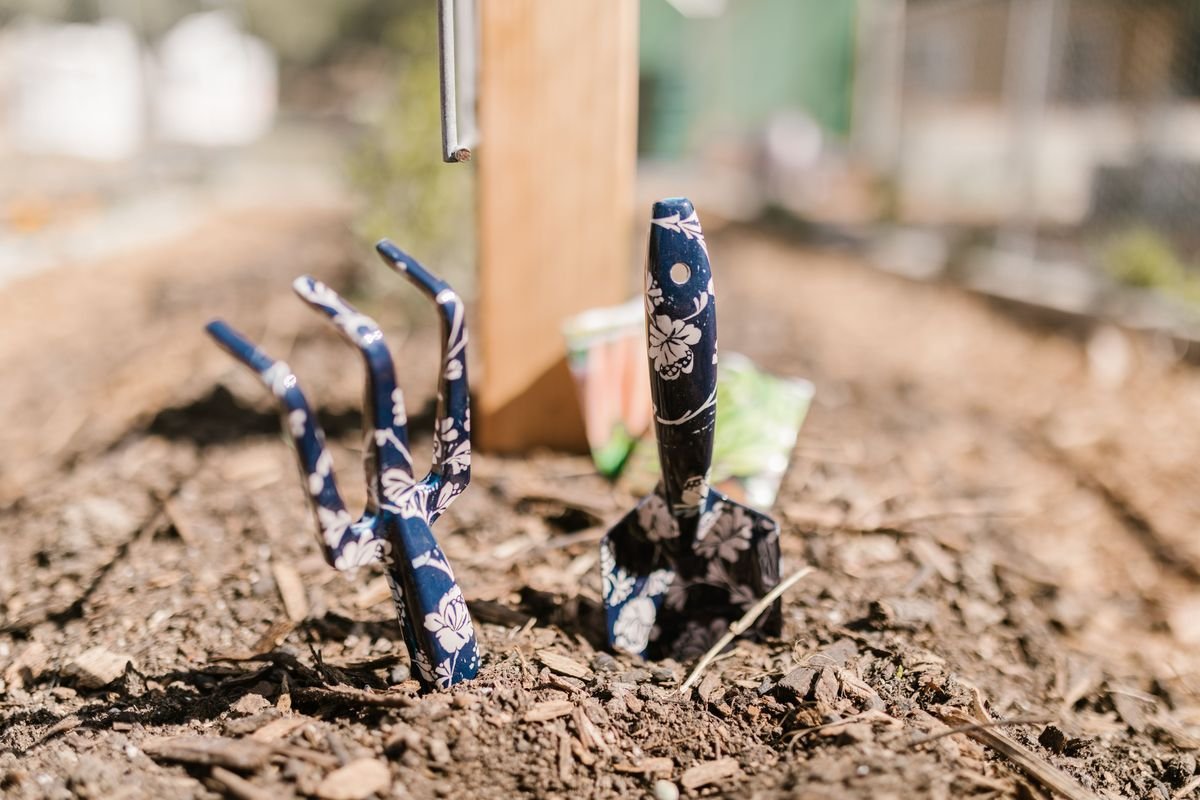
Gardeners often spread mold inadvertently by dragging shovels, rakes, or muddy boots from an infected bed into a fresh garden zone. Cleaning your garden tools after working in moldy areas prevents spreading spores to pristine beds.
How to Fix Moldy Mulch Naturally
You do not need expensive chemicals to clear mold out of your garden beds. Simple, non-toxic methods work quickly and protect your soil health.
Follow these practical steps to remove and neutralize mulch mold:
- Put on Protective Gear: Wear garden gloves, a dust mask, and safety goggles to protect your lungs and skin from airborne spores.
- Break Up the Mats: Use a sturdy garden rake or pitchfork to turn the mulch over. Breaking the crust exposes the fungal mycelium to direct sunlight and fresh air, which naturally dries it out and halts growth.
- Scoop Heavy Colonies: If you are dealing with large masses of slime mold or artillery fungus, use a trowel to dig them up along with an inch of surrounding mulch, then seal them in a trash bag.
- Apply a Mild Vinegar Solution: Mix one part household white vinegar with four parts water in a spray bottle. Mist the moldy mulch lightly to suppress fungal spores. Be careful not to spray plant leaves directly, as vinegar can scorch foliage.
Using Fungicides on Garden Beds
Many gardeners wonder if chemical fungicides are a smart solution for moldy mulch. In almost all residential situations, chemical fungicides are unnecessary and discouraged.
Fungicides intended for garden use are designed to protect plant leaves from pathogenic diseases such as powdery mildew, rust, and black spot. They are not formulated to sterilize yards of decomposing wood chips.
Pouring strong fungicides into garden beds can damage beneficial soil microbes, disrupt earthworm populations, and leach into local groundwater.
Chemicals can also cause phytotoxicity in nearby ornamentals if the solution contacts tender foliage. Sticking to mechanical disruption, aeration, and moisture control is both safer and more effective.
How to Prevent Mold on Mulch in the Future
Preventing mold growth starts with managing how much moisture your mulch absorbs and retains.
Keep your mulch layer between two and three inches deep. Applying mulch deeper than three inches suffocates soil, prevents evaporation, and creates permanent damp pockets where fungal colonies thrive.
Avoid piling mulch directly against tree trunks and woody shrub stems. Leaving a three-inch gap around plant bases protects plant bark and encourages steady air circulation.
Water your garden at the soil level using drip irrigation or soaker hoses rather than overhead sprinklers. Keeping the top layer of mulch dry minimizes spore activation.
Periodically fluff or rake your mulch throughout the growing season to aerate the wood chips and discourage crust formation.
Best Mulch Types That Resist Mold
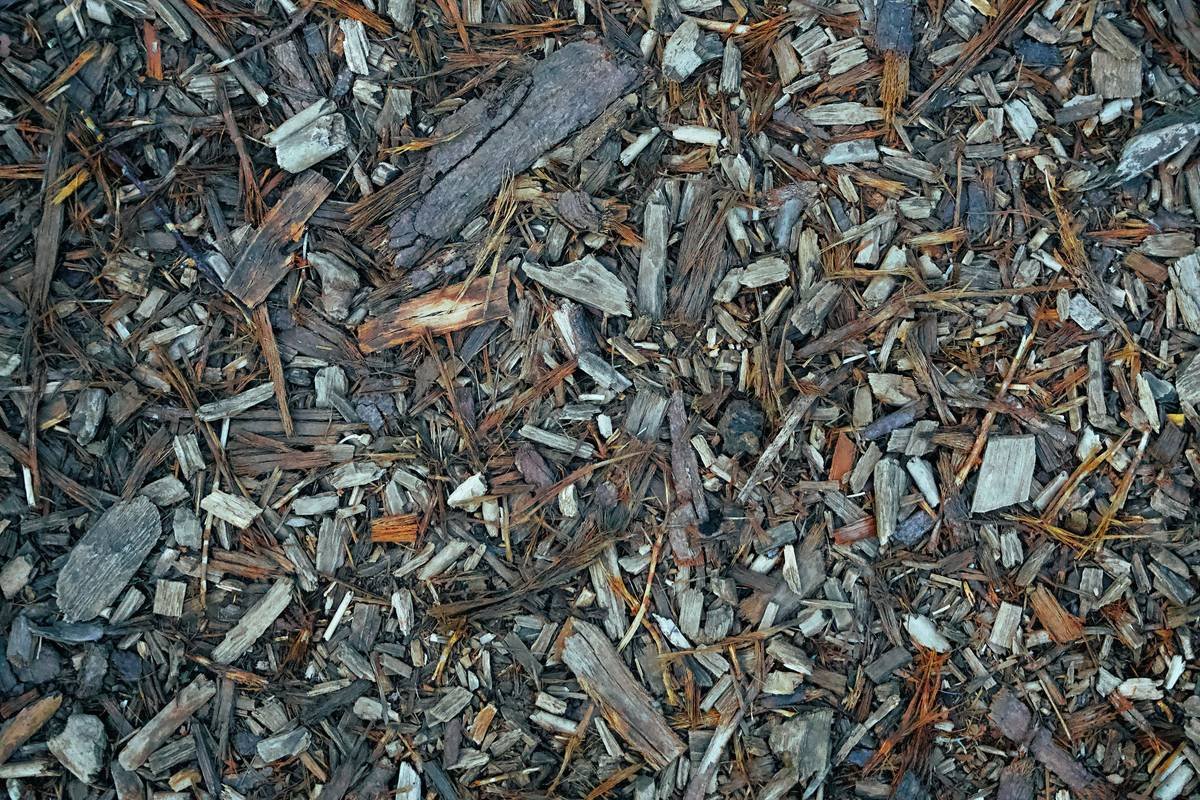
The type of mulch you buy plays a major role in how often mold appears in your yard.
Finely shredded hardwood mulches pack tightly together, retain massive amounts of water, and decompose rapidly, making them highly susceptible to mold and artillery fungus.
To reduce fungal outbreaks, consider these more mold-resistant alternatives:
- Cedar Mulch: Cedar wood contains natural aromatic oils and resins that deter both fungal growth and pest insects.
- Pine Bark Nuggets: Coarse bark nuggets do not mat together easily, allowing water and air to move freely between the pieces.
- Cypress Mulch: Cypress heartwood resists rot and fungal decay much longer than standard mixed hardwoods.
- Inorganic Mulches: River rock, crushed gravel, and pea stone provide weed suppression and ground cover without offering food for fungi.
How Severe Is Your Garden Mulch Mold Problem?
Answer 4 quick questions to see your result