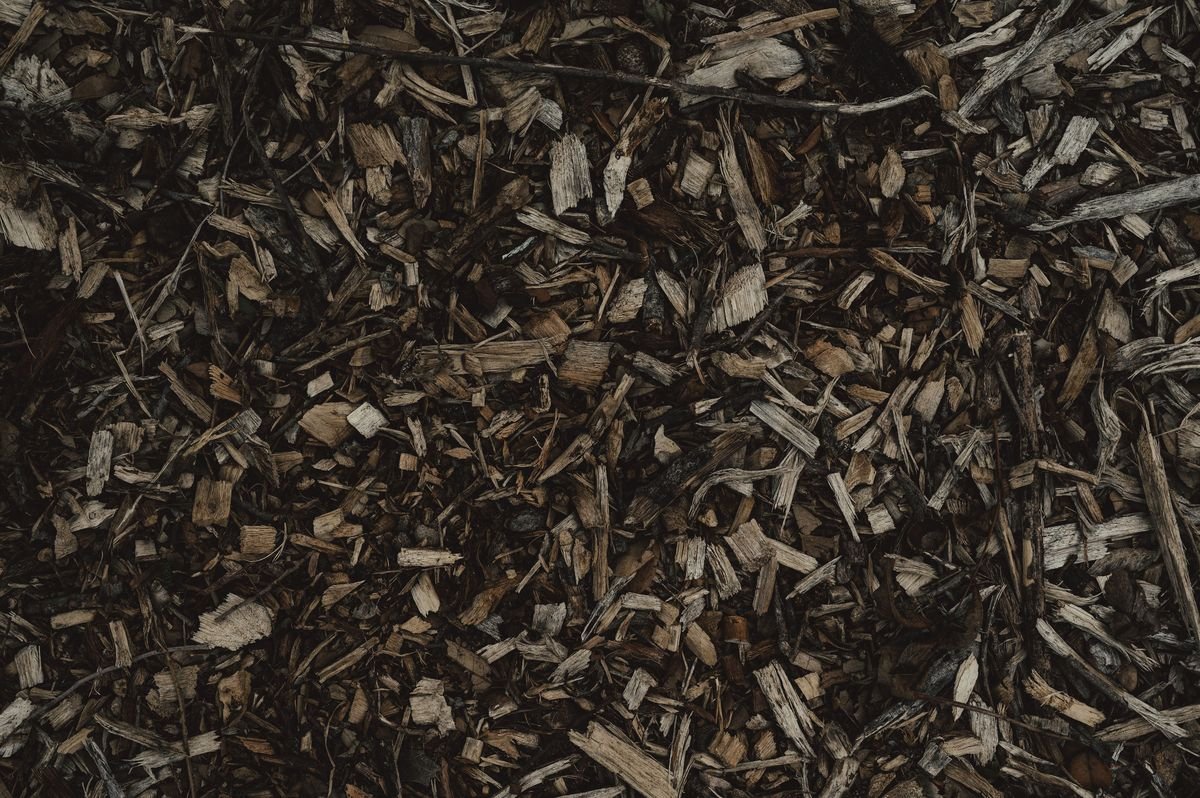
Making your own mulch from freshly pruned branches, fallen tree limbs, or arborist wood chips is one of the most satisfying ways to recycle organic waste in your yard.
However, spreading fresh wood chips directly around your prize plants can quickly backfire. Raw wood requires time to break down before it becomes a safe, nutrient-rich soil dressing that helps your garden thrive.
Why Fresh Wood Chips Need Time to Age
Freshly cut wood is biologically active and chemically raw.
When you leave tree trimmings to age, natural microbes begin the decomposition process, neutralizing harsh compounds and stabilizing carbon levels so the material protects your soil instead of depleting it.
The Problem of Nitrogen Robbing
Microorganisms that break down raw wood require plenty of nitrogen to fuel their work.
When you spread fresh wood directly over your soil, these soil microbes draw nitrogen up from the root zone of your plants to decompose the high-carbon wood. This process temporarily starves shallow-rooted perennials, annuals, and vegetables of essential nutrients.
Toxic Compounds in Raw Wood
Fresh green wood and foliage often contain natural allelopathic chemicals, terpenes, and phenols designed to inhibit competing seed growth.
Species like black walnut, cedar, and certain pine varieties carry compounds that can stunt root development in young garden plants until weather and microbes break those toxins down.
Standard Aging Timeline for Garden Mulch
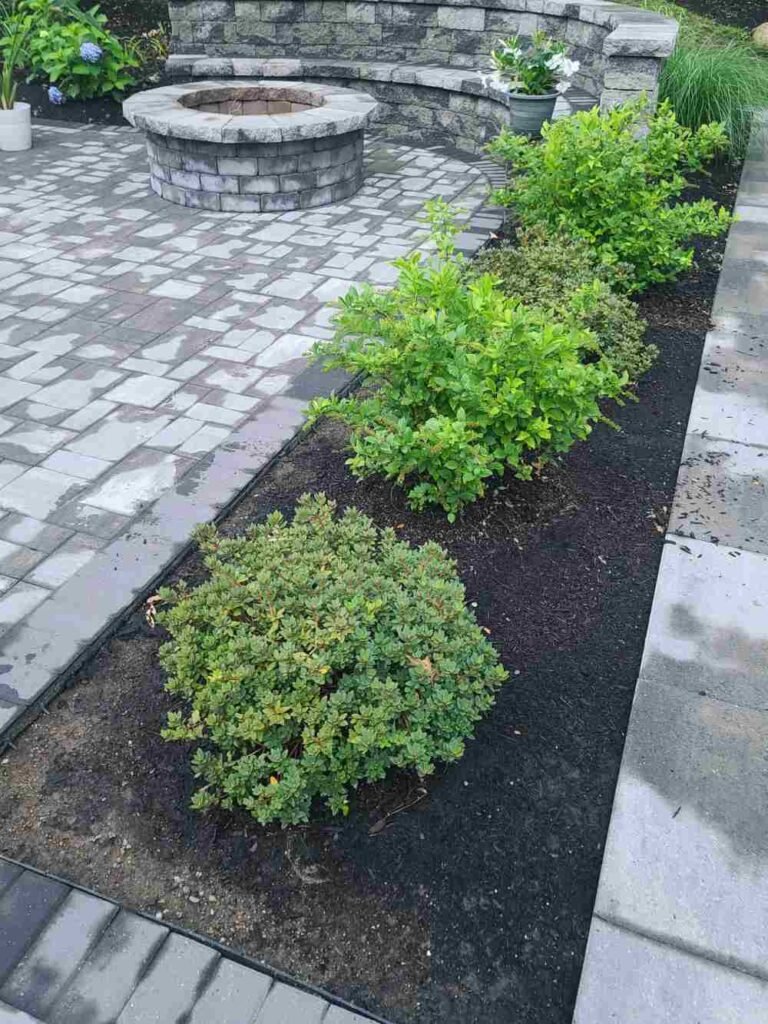
Under average conditions, a pile of chipped yard waste takes six to twelve months to age properly.
During this resting window, fungal colonies and beneficial bacteria soften the fibrous lignin, eliminate plant-inhibiting acids, and convert raw carbon into stable humus that supports long-term soil health.
Factors That Influence How Fast Mulch Ages
Not all wood decomposes at the same rate.
Several environmental and physical elements determine whether your pile is ready in a few months or requires an entire year of curing.
Tree Species and Wood Hardness
Softwoods like pine, poplar, and birch break down far quicker than dense hardwoods like oak, maple, or hickory.
Coniferous wood, however, carries resinous saps that take extra weeks to oxidize, meaning you should allow extra aging time for evergreen chips even though the wood fibers themselves are soft.
Overall Size of the Wood Particles
Surface area directly controls the speed of microbial decomposition.
Finely shredded bark and thin shavings present massive surface areas for fungi to colonize, whereas large two-inch wood chunks take significantly longer to soften and turn dark.
Moisture and Outdoor Air Exposure
Decomposers cannot function in bone-dry environments or in compacted, oxygen-starved heaps.
A pile that receives steady moisture and regular airflow will cure twice as fast as a dry, neglected heap tucked under dense tree cover.
Your Intended Use in the Landscape
Your performance expectations determine how aged the mulch needs to be.
If you simply want to build clean walking pathways or block aggressive weed seeds in utility areas, lightly aged chips work well. If you plan to dress delicate vegetable beds or shallow flower borders, only thoroughly decomposed mulch should touch the ground.
Signs Your Mulch Is Ready to Apply
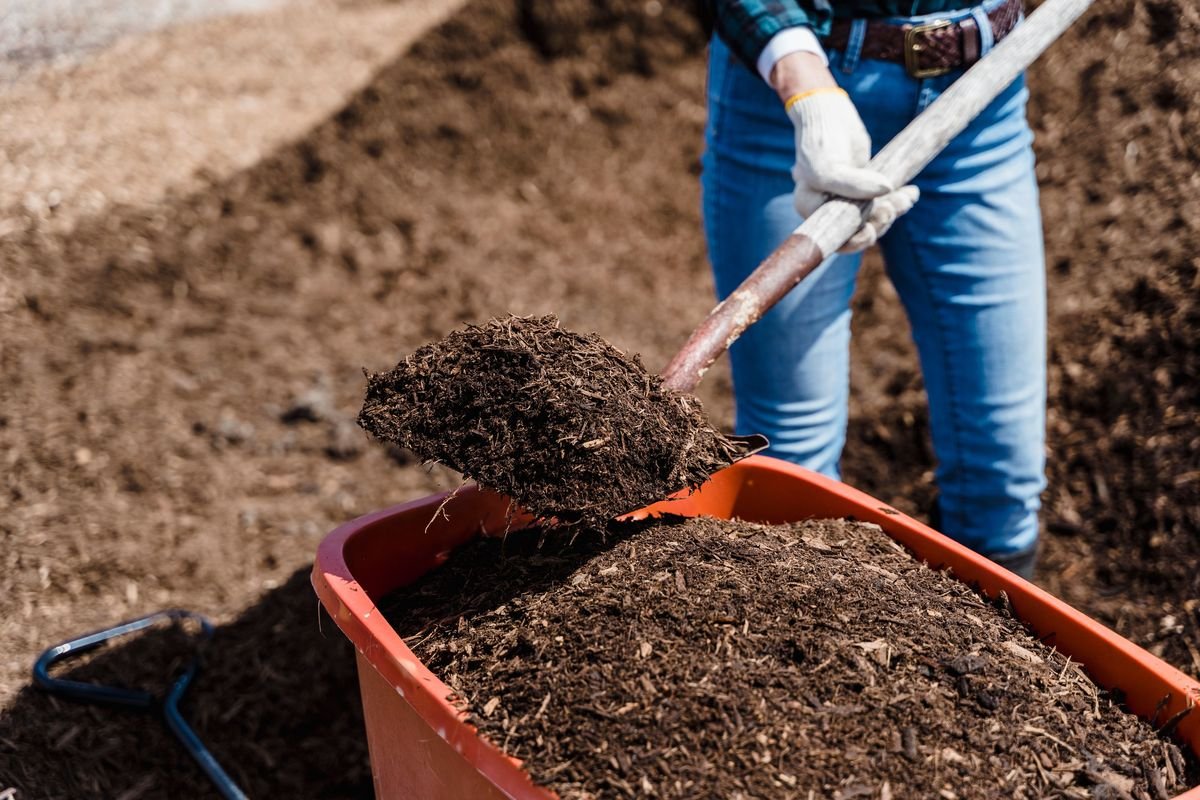
You do not need laboratory tools to know when your wood chips have finished curing.
A few simple sensory checks will tell you if the mulch is safe for plant beds.
Color and Texture Changes
Raw wood typically shows bright yellow, tan, or green hues with sharp, rigid splinters.
Aged mulch turns a uniform dark brown or charcoal shade, crumbling easily between your fingers without poking your skin.
Earthy Smell Versus Sour Odor
A healthy, aged pile smells rich, clean, and earthy like a forest floor.
If the material smells like vinegar, sulfur, alcohol, or ammonia, anaerobic bacteria have taken over, meaning the mulch must be aired out before touching living roots.
Practical Steps to Speed Up Mulch Aging
You do not have to wait a full year for your chipped branches to become usable.
By managing carbon-to-nitrogen ratios, oxygen, and water, you can accelerate the natural curing process down to two or three months.
Shred the Wood Pieces Smaller
Run thick prunings through a high-torque wood chipper twice or use a mulching lawnmower over thin twig debris.
Reducing chip size multiplies the exposed surface area, giving bacteria and fungal mycelium immediate entry points across the material.
Build a Dedicated Aging Pile
Assemble your raw chips into a mound that measures roughly four feet wide and four feet tall.
This volume holds internal heat effectively while still allowing ambient oxygen to reach the interior core without smothering beneficial microbes.
Introduce High Nitrogen Activators
Raw chips contain overwhelming amounts of carbon. Blending in nitrogen-dense amendments sparks internal heating and speeds decomposition dramatically.
- Fresh grass clippings from chemical-free lawns
- Spent coffee grounds collected from local cafes
- Well-rotted poultry or steer manure
- Organic blood meal or alfalfa meal
- Kitchen fruit and vegetable scraps
Keep the Pile Damp
Moisture allows bacteria to travel freely through the pile and softens dense wood fibers.
Water the pile during construction until it feels like a wrung-out sponge, and give it a quick soak during hot, dry stretches of weather.
Turn the Mixture Regularly
Use a sturdy garden pitchfork to turn the pile inside out every two weeks.
Moving the outer, dry layers into the steaming center replenishes oxygen supplies, evens out moisture levels, and prevents sour, anaerobic pockets from forming.
Where You Can Safely Use Fresh Wood Mulch

If you have an abundance of raw wood chips and zero compost space, you can still put them to work immediately in specific areas.
Spread fresh chips generously along garden walking paths, beneath mature shade trees with deep root systems, or around perimeter fence lines where weed suppression is the sole goal and delicate garden crops are not present.
Is Your Mulch Ready for Garden Beds?
Answer 4 quick questions to see your result