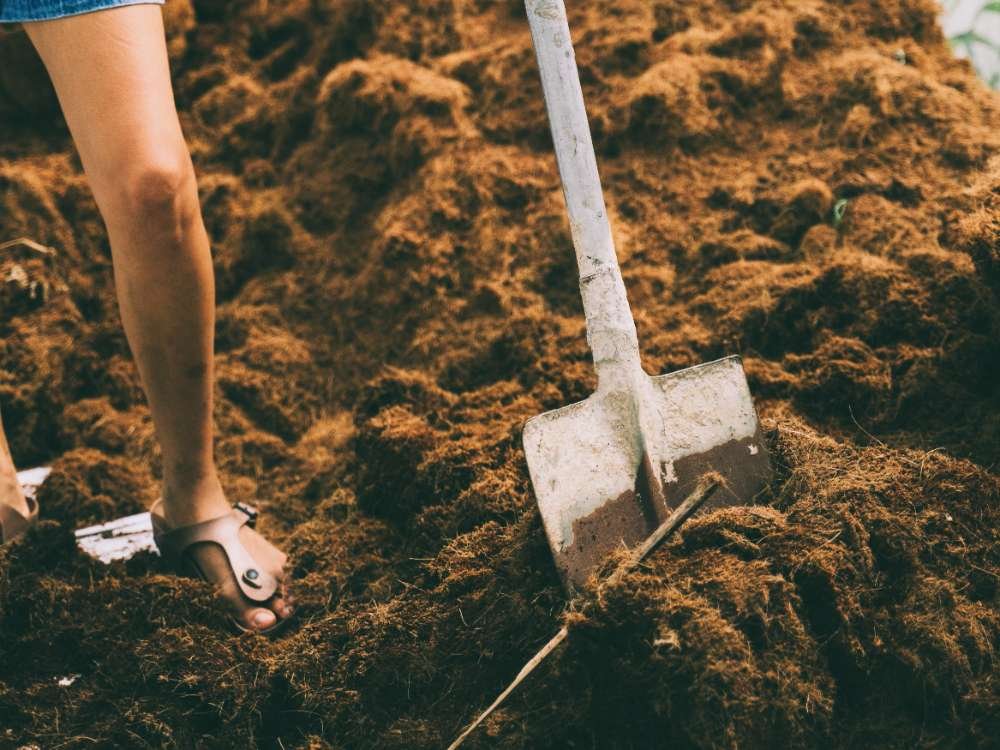
Mulch is one of the most valuable tools in any gardener’s routine. It shields your soil from intense sun, prevents pesky weeds from taking over, and locks in essential moisture during dry spells.
Because plants often thrive after a fresh layer of mulch is applied, many beginners wonder if mulch actually contains fertilizer.
While organic mulch does provide gradual nourishment to the soil, it works very differently from standard fertilizer. Understanding how these two garden elements work together will help you build stronger, more productive plants.
Understanding the Difference Between Mulch and Fertilizer
Mulch and fertilizer serve two distinct purposes in the garden, even though both contribute to plant health.
Fertilizer is formulated specifically to deliver concentrated nutrients directly to plant roots. It features measured amounts of nitrogen, phosphorus, and potassium (the primary N-P-K nutrients) that plants need for rapid leaf growth, root development, and flower production.
Mulch, on the other hand, is a protective layer spread over the surface of the soil. Its primary role is physical protection rather than direct feeding.
While organic mulches naturally decompose into rich organic matter over time, they release nutrients very slowly and in modest amounts compared to commercial plant foods.
Primary Benefits of Mulching Your Soil
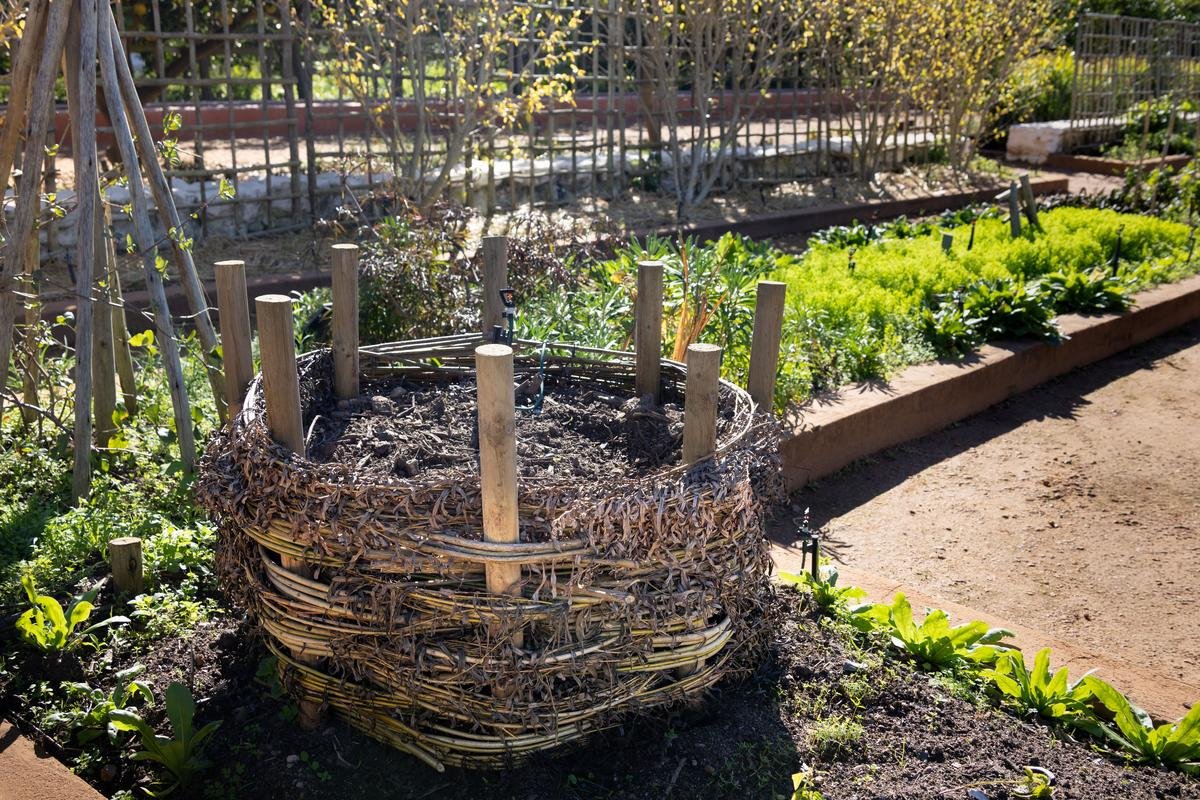
Even though mulch is not a direct substitute for fertilizer, adding it to your garden beds creates an ideal environment for plant roots to absorb available nutrients.
Here are the top advantages of keeping your garden beds well mulched:
- Moisture conservation: Mulch acts as a protective blanket that drastically slows down water evaporation from the soil surface.
- Temperature moderation: It keeps root systems cooler during hot summer days and shields them from sudden freezes in late autumn.
- Weed reduction: A thick mulch layer blocks sunlight, preventing dormant weed seeds from sprouting and competing for nutrients.
- Erosion control: Heavy rain cannot wash away topsoil when a sturdy layer of mulch absorbs the impact of raindrops.
- Soil structure enhancement: As organic mulch breaks down, it feeds beneficial microbes and earthworms that loosen compacted soil.
Can Mulch Replace Commercial Fertilizer
In most cases, mulch cannot completely replace fertilizer, especially for heavy-feeding plants like tomatoes, corn, and flowering annuals.
These fast-growing plants require quick access to balanced nutrients that uncomposted mulch simply cannot provide quickly enough.
However, in established perennial beds, native shrub borders, and woodland gardens, a continuous layer of organic mulch can supply nearly all the nutrients mature plants require. As organic materials break down, they create a steady, low-level release of micronutrients that mimic natural forest floors.
Organic Mulches That Feed the Soil
Not all mulches contribute nutrients to the earth. Inorganic mulches, such as river stones, landscape fabric, and rubber chips, provide weed suppression and moisture retention without ever breaking down.
If you want your mulch to nourish the soil beneath it, you need organic materials that decompose naturally over time. Here are the best organic mulch varieties you can use to give your plants an extra nutritional boost.
Fresh Grass Clippings
Grass clippings are rich in nitrogen, making them a fantastic natural soil booster. Because lawn clippings are soft and moist, they decompose quickly and return valuable nitrogen to the earth in a matter of weeks.
To use grass clippings safely, spread them in thin layers no more than an inch thick. If you apply them too thickly while they are fresh and wet, they can mat together into a slimy barrier that blocks air and water from reaching the soil.
Always ensure the lawn was not treated with chemical herbicides before spreading clippings around edible crops.
Finished Homemade Compost
Finished compost is the ultimate dual-purpose garden material because it acts as both a rich mulch and an organic fertilizer.
When spread across the top of your garden beds as a top dressing, compost protects the soil surface while immediately introducing beneficial bacteria, fungi, and trace minerals. Earthworms quickly move into compost layers, pulling the nutrient-dense organic material deeper down into the root zone.
Shredded Fallen Leaves
Fallen autumn leaves are one of the most nutrient-packed, budget-friendly mulches available to home gardeners. Leaf mulch (often called leaf mold) contains valuable minerals drawn up from deep underground by mature tree roots.
Run your lawnmower over dry fallen leaves to shred them before adding them to flower beds. Whole leaves can stick together and form an impenetrable crust, but shredded leaves decompose gently, aerate the soil, and create a loose, dark top layer by spring.
Aged Bark and Wood Chips
Wood chips and shredded bark are among the most popular landscaping mulches because they look neat and last a long time.
As wood chips weather and slowly break down over several seasons, they support beneficial fungal networks that improve soil porosity.
While fresh raw wood chips can temporarily tie up tiny amounts of nitrogen right at the surface level, aged wood mulch does not rob plants of nitrogen and provides long-term organic matter.
Dry Pine Needles
Pine needles (also sold as pine straw) make an attractive, lightweight mulch that stays in place on sloped garden beds.
As pine needles decompose, they release a small amount of nutrients and help build a light, airy soil texture. While there is a common myth that pine needles will drastically lower soil pH, fresh or dry pine needles only cause a negligible, temporary change in surface acidity, making them safe for almost all garden plants.
Clean Straw and Hay
Straw is a classic mulch choice for vegetable gardens, berry patches, and raised beds. It creates an effective barrier between developing fruit and damp ground, preventing soil-borne fungal diseases.
Straw breaks down steadily over a single growing season, enriching the soil with carbon and small amounts of potassium. Always opt for weed-free straw rather than field hay, which often contains unwanted pasture weed seeds.
Best Practices for Applying Nutrient Rich Mulch
Applying mulch correctly ensures that your plants reap maximum benefits without suffering accidental damage.
Follow these simple steps when laying mulch in your garden beds:
- Remove existing weeds thoroughly so they do not push up through your fresh mulch layer.
- Water the garden bed deeply before applying mulch, as dry soil covered in mulch takes longer to absorb moisture.
- Apply a consistent depth of two to three inches for most organic materials.
- Pull the mulch back two to four inches from plant stems and tree trunks to maintain good air circulation.
Mistakes to Avoid When Mulching Garden Beds
Even natural materials can cause problems if they are used improperly around your plants.
One common error is creating ‘mulch volcanoes’ around tree bases and woody shrubs. Piling mulch directly against bark traps excess moisture, leading to rot, fungal infections, and rodent damage.
Another mistake is spreading mulch too thickly. Adding more than four inches of dense mulch can suffocate plant roots by cutting off oxygen exchange and preventing light rainfall from reaching the soil.
Final Thoughts on Mulch and Soil Nutrition
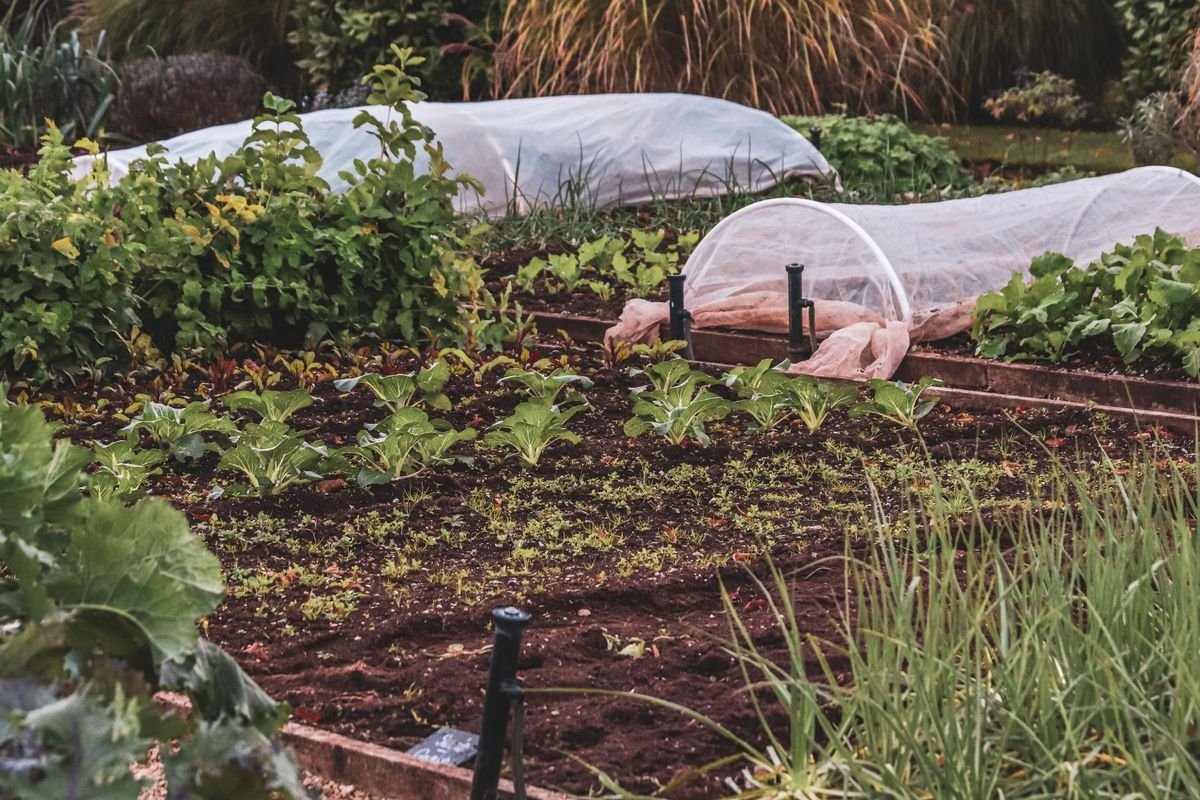
While mulch does not replace the concentrated power of a targeted fertilizer, organic mulches play a vital role in building healthy, living soil over time.
By selecting nutrient-friendly mulches like shredded leaves, grass clippings, and compost, you can reduce how often you need to buy commercial plant food. Combine a regular feeding schedule for heavy crops with a generous top dressing of organic mulch, and your garden will thrive throughout the growing season.
Does Your Garden Need Mulch, Fertilizer, or Both?
Answer 4 quick questions to see your result