Every gardener dreams of spending less time pulling weeds and more time enjoying healthy, thriving plants. Unwanted weeds rob your flowers and vegetables of vital moisture, soil nutrients, and sunlight.
Mulch is one of the most reliable tools available to keep unwanted growth under control. Covering your soil with the right protective layer suppresses weed seeds, conserves moisture, and improves your landscape aesthetics all at once.
How Mulch Stops Weeds from Spreading
Mulch works primarily by creating a physical barrier between the sun and the soil surface.
Most weed seeds buried in the ground require sunlight to trigger their germination process. When you spread a thick blanket of mulch over garden beds, you effectively block out light.
Without adequate illumination, dormant weed seeds remain asleep under the soil.
Even when persistent seeds manage to sprout beneath the surface, they struggle to push through the heavy layer. Most run out of stored energy and die before ever reaching the light.
Applying Mulch Directly Over Existing Weeds
You can spread mulch directly over existing weeds, provided the layer is thick enough to starve them of sunlight.
Small, young weeds will quickly wither and decompose under a solid layer of organic material.
For stubborn perennial weeds with deep taproots, like dandelions or thistle, mulch alone might not be enough.
In those cases, placing a layer of plain, unprinted cardboard or several sheets of newspaper over the weeds before applying mulch creates an impenetrable light barrier that speeds up the smothering process.
The Ideal Mulch Depth for Weed Control
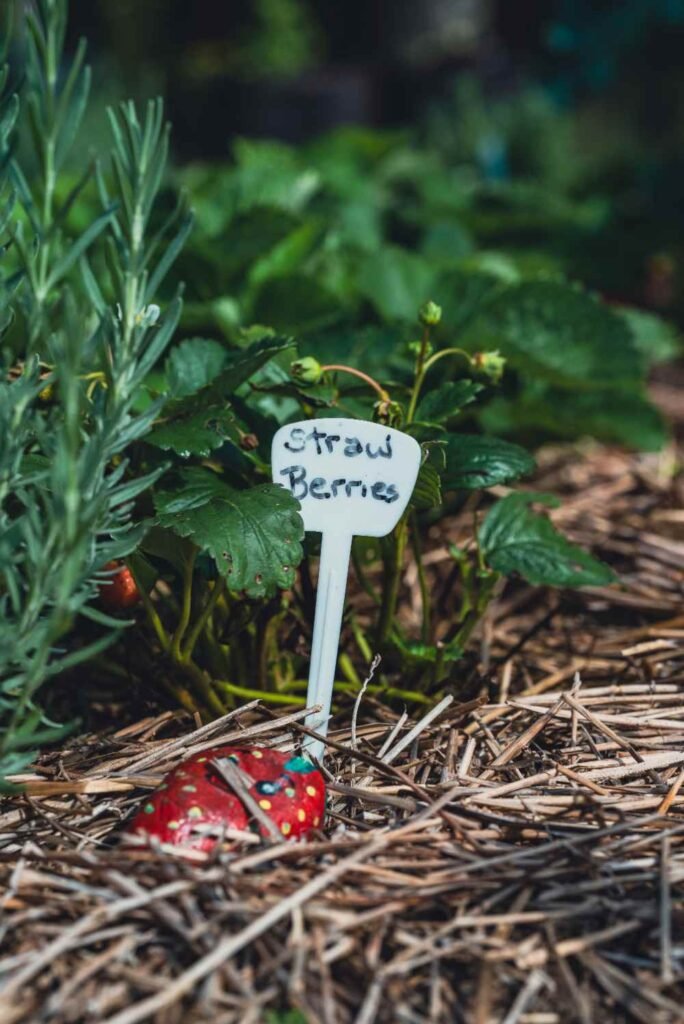
Finding the sweet spot for mulch depth is critical for long-term weed prevention.
Garden experts recommend maintaining a layer between two and three inches deep for optimal results.
A layer thinner than two inches allows sunlight to penetrate down to the soil line, encouraging airborne weed seeds to take root.
Conversely, a layer that meets the recommended depth keeps the soil dark, damp, and cool while preventing windblown seeds from reaching bare earth.
Dangers of Applying Too Much Mulch
While it can be tempting to add extra mulch for maximum weed protection, excessive depth creates serious issues.
Spreading mulch deeper than four inches can suffocate your plant roots by restricting oxygen exchange in the soil.
Thick mulch can also prevent light rainfall from ever reaching the root zone, as the dry material absorbs the water before it trickles down.
Additionally, excessively deep layers can stay soggy for too long during wet seasons, encouraging fungal root rot and providing shelter for destructive rodents.
Proper Spacing Around Stems and Trunks
Proper placement is just as important as proper depth when spreading mulch.
Always leave a clear ring of one to two inches around herbaceous stems, and three to six inches around tree trunks.
Piling mulch directly against plant tissue creates trapped moisture against the bark or stem.
This mistake, often called mulch volcano building, invites insect pests, fungal decay, and bacterial infections that can permanently damage your plants.
How Often to Replenish Garden Mulch

Organic mulches naturally decompose over time, which improves your soil structure but thins out the weed barrier.
Plan to check your beds each spring or autumn and top off the existing mulch with a fresh one-inch layer to restore the total three-inch depth.
Inorganic mulches, such as stone or crushed gravel, do not break down and only need occasional rinsing or spot replacement.
Regular top-offs ensure weed seeds carried by the wind cannot find exposed pockets of soil.
Best Organic Mulches for Weed Suppression
Organic mulches offer the dual benefit of stopping weed growth while slowly feeding beneficial soil microbes as they break down.
Choosing the right organic material depends on your garden type, local climate, and personal budget.
Here are some of the most popular and effective organic options for outdoor beds:
- Shredded hardwood bark for long-lasting coverage on slopes and ornamental beds.
- Pine bark nuggets for acid-loving shrubs like blueberries and azaleas.
- Clean straw for vegetable gardens and seasonal planting rows.
- Arborist wood chips for deep pathways and large landscape borders.
Wood Chips and Shredded Bark
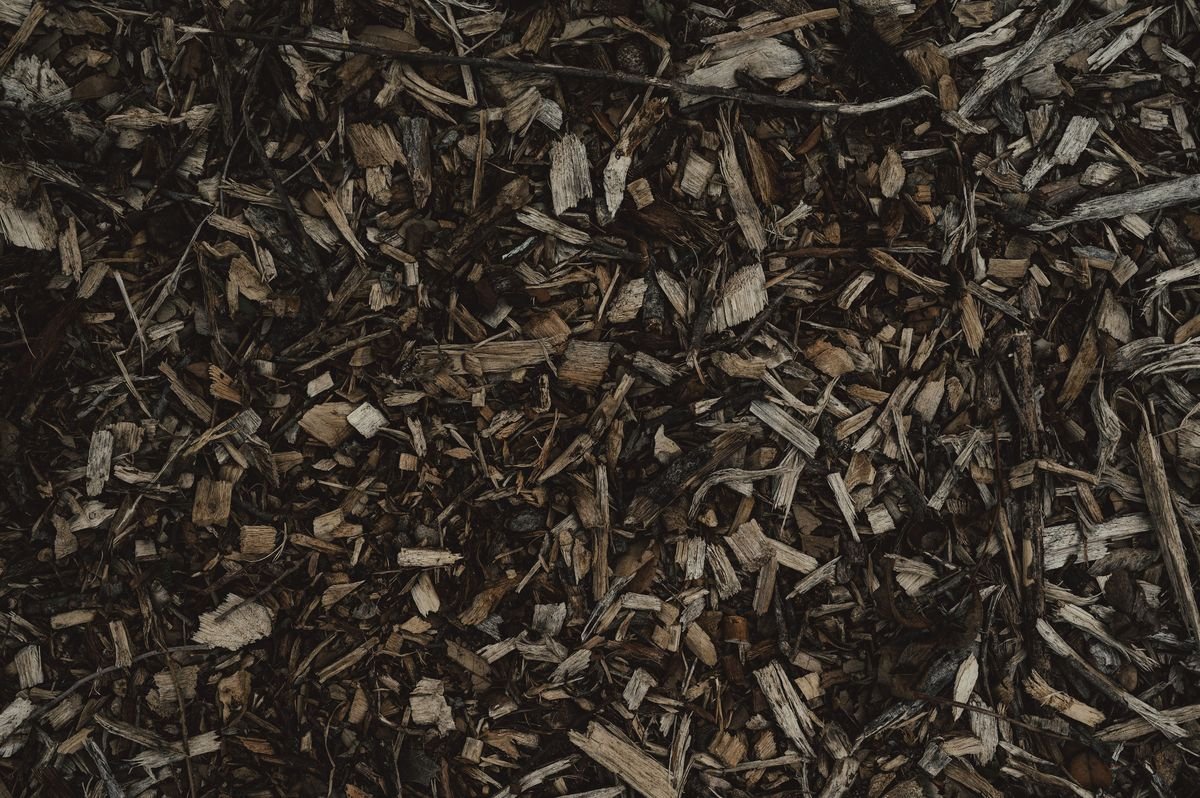
Shredded bark is one of the most reliable weed-suppressing mulches available.
The jagged edges of shredded bark interlock when spread, creating a cohesive mat that resists washing away during heavy downpours.
Bark breaks down slowly over one to two years, meaning you spend less time reapplying it compared to fast-rotting alternatives.
Wood chips from local arborists also provide fantastic weed resistance in large landscape areas, provided you keep them above the soil line rather than mixing them into planting holes.
Pine Needles and Straw
Pine needles, often sold as pine straw, knit together to form a lightweight yet effective light-blocking web.
They allow water and air to pass easily while remaining breathable and resistant to compaction.
Clean agricultural straw is an ideal weed barrier for vegetable patches, keeping produce off muddy ground.
Always verify that straw is completely free of field weed seeds or agricultural herbicides before spreading it around sensitive crops.
Inorganic Mulch Options and Benefits
Inorganic mulches consist of non-plant materials that provide permanent weed barriers without decomposing.
Because they do not decay, you save money and labor on annual replacements.
However, inorganic options do not improve soil quality or release plant nutrients.
They work best in rock gardens, desert landscapes, and high-traffic pathways where organic enrichment is not required.
Gravel and River Rock
Stone mulches like pea gravel, crushed granite, and smooth river rocks create a sleek, modern look in the garden.
Rocks absorb solar heat during the day, which helps warm the soil in cooler regions but can stress heat-sensitive plants in hot climates.
Weeds can still blow into the gaps between stones over time, so pairing rock mulch with a durable underlayment is essential for lasting weed management.
Landscape Fabric and Plastic Barriers
Landscape fabric acts as a porous synthetic barrier placed underneath organic or stone mulch.
It allows water and gas exchange while preventing plant shoots from penetrating upward from the native soil.
Solid black plastic sheeting provides extreme weed suppression by eliminating all light and water access, though it is usually reserved for targeted vegetable rows rather than permanent perennial beds.
Make sure to pin fabric securely to the ground to keep edges from curling up over time.
Inexpensive DIY Mulch Ideas
You do not need to spend significant money at a garden center to build a great weed barrier.
Many of the best mulching materials are readily available in your own yard or community for free.
Consider these budget-friendly alternatives:
- Shredded autumn leaves, which break down into rich leaf mold.
- Dried grass clippings from pesticide-free lawns applied in thin layers.
- Plain brown cardboard boxes laid flat beneath top mulch.
- Compost spread over beds to suppress weeds while feeding roots.
Mistakes to Avoid When Mulching for Weeds
Even experienced gardeners make small mulching mistakes that allow weeds to sneak through.
One common error is using freshly cut green lawn clippings in thick, wet clumps, which can form a smelly, slimy mat that prevents water penetration.
Another mistake is neglecting to pull large perennial weed roots before laying down your cover layer.
Finally, avoid disturbing your established mulch bed unnecessarily, as digging through the mulch exposes buried weed seeds to sunlight and triggers unwanted germination.
How Effective Is Your Garden Weed Barrier?
Answer 4 quick questions to see your result