When you look for ways to upgrade your garden, mulching is one of the first techniques you encounter. It is a time-tested landscaping method that involves spreading a protective layer of material across bare soil.
Gardeners everywhere swear by it, but beginners often wonder whether covering the ground actually helps or hinders their plants.
Applying mulch the right way transforms soil health, conserves water, and keeps root zones comfortable throughout the changing seasons.
Let us explore how mulch works, the distinct benefits it offers, and the common mistakes you should avoid to keep your plants thriving.
Does Mulch Truly Help Plants
The short answer is yes. Adding a layer of mulch around your garden beds provides a long list of positive benefits for nearly all types of plants.
Mulch acts as a protective shield between the harsh atmosphere and the delicate root zone beneath the surface. It preserves hydration, prevents soil compaction, and creates an environment where roots can branch out freely without fighting extreme heat or sudden cold snaps.
When you use organic materials, the decomposing matter also continually replenishes the topsoil with vital organic carbon and trace elements.
How Mulch Improves Garden Beds
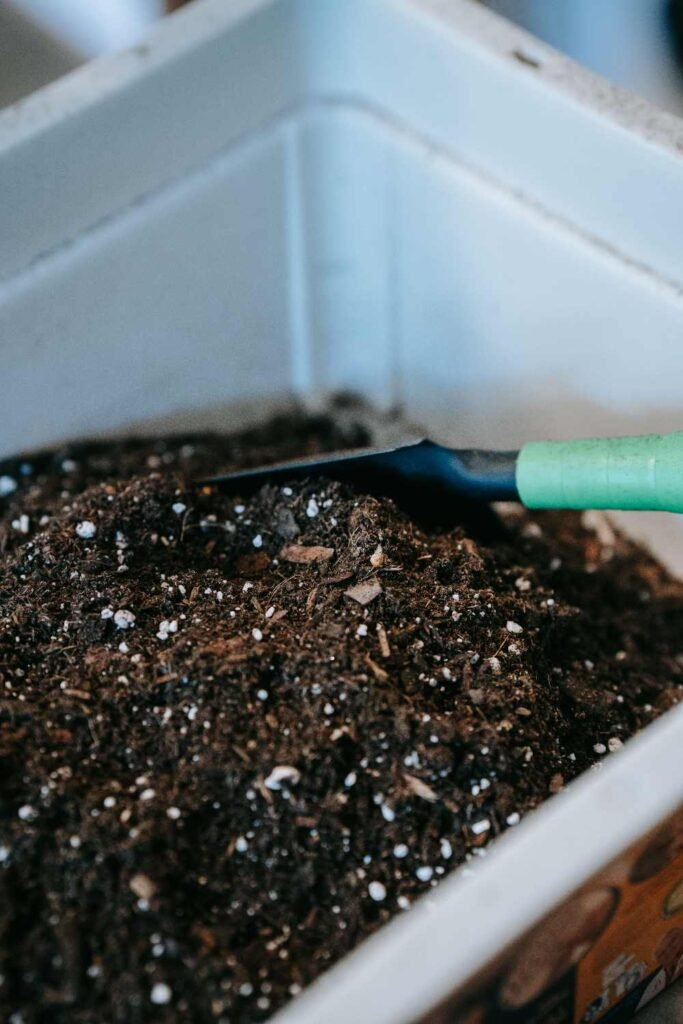
Mulch changes the physical, chemical, and biological profile of your garden beds for the better.
Without a protective top layer, garden soil is directly exposed to intense sunlight, pounding rain, and drying winds. This exposure leads to rapid water loss, hard crust formation on the surface, and nutrient runoff.
A uniform layer of mulch softens the impact of heavy rains and prevents the sun from baking the ground into an impenetrable crust.
Retaining Soil Moisture
One of the most immediate benefits of applying mulch is its ability to conserve water.
Direct sunlight hitting bare earth causes rapid evaporation, pulling vital moisture out of the root zone within hours. Mulch serves as a physical barrier that slows evaporation significantly.
Because the soil retains water longer, you will not need to drag the hose out as frequently. This steady moisture level prevents the stress cycle of severe drying and sudden soaking, giving plants a dependable environment to grow steadily.
Releasing Key Nutrients
Organic mulches break down slowly over weeks and months, steadily releasing nutrients into the soil.
As soil bacteria and fungi break down materials like bark, shredded leaves, or compost, they release nitrogen, potassium, phosphorus, and valuable micronutrients directly into the root zone.
This continuous, mild fertilization feeds your plants naturally without the risk of chemical burn, helping improve soil structure over time.
Suppressing Troublesome Weeds
Weed seeds are present in almost all garden soil, waiting for light and moisture to sprout.
A layer of mulch around two to three inches thick blocks sunlight from reaching these buried seeds, preventing germination.
For airborne weed seeds that land on top of the mulch, the dry, loose surface makes it difficult for roots to establish. Any stray weeds that manage to grow through the loose mulch are far easier to pull out by hand.
Regulating Ground Temperature
Soil temperature swings can shock tender root systems, especially in midsummer and late autumn.
Mulch acts like a layer of home insulation for your garden. In peak summer heat, it keeps the root zone several degrees cooler than exposed soil. During chilly autumn nights and unexpected cold snaps, it traps residual warmth within the ground.
This thermal buffer protects shallow feeder roots from extreme temperature shocks that can stunt plant growth.
Preventing Soilborne Diseases
Many fungal and bacterial pathogens live naturally in the soil, waiting for heavy rain to splash them onto lower foliage.
Diseases such as early blight, black spot, and various leaf spots spread rapidly when water droplets bounce dirt onto plant leaves.
A clean mulch layer absorbs raindrops and eliminates soil splashing, effectively breaking the transmission cycle of soilborne pathogens and keeping your garden foliage spotless.
Stopping Soil Erosion and Runoff
Unprotected topsoil easily washes away during torrential downpours or blows away during dry, windy spells.
Topsoil contains the highest concentration of organic matter and microbial life. Losing it weakens your garden bed.
Mulch cushions rainfall, disperses water flow, and encourages moisture to soak downward rather than sheet across the surface, keeping valuable topsoil right where it belongs.
Shielding Young Seedlings
Young transplants and emerging seedlings are vulnerable to environmental stress.
Mulch provides a physical buffer around new stems, preventing soil compaction from heavy foot traffic or intense watering sessions.
By keeping the ground surrounding tender seedlings soft and aerated, root systems expand quickly without hitting compacted barriers.
Encouraging Beneficial Soil Life
Healthy soil is alive with earthworms, mycorrhizal fungi, and beneficial bacteria.
These organisms thrive in dark, moist, and temperate conditions. Mulch creates the ideal microhabitat for earthworms to tunnel through the soil, naturally aerating it and leaving behind nutrient-rich worm castings.
The steady decomposition of organic material provides a constant food source that keeps your soil ecosystem active and productive.
Types of Organic Mulch
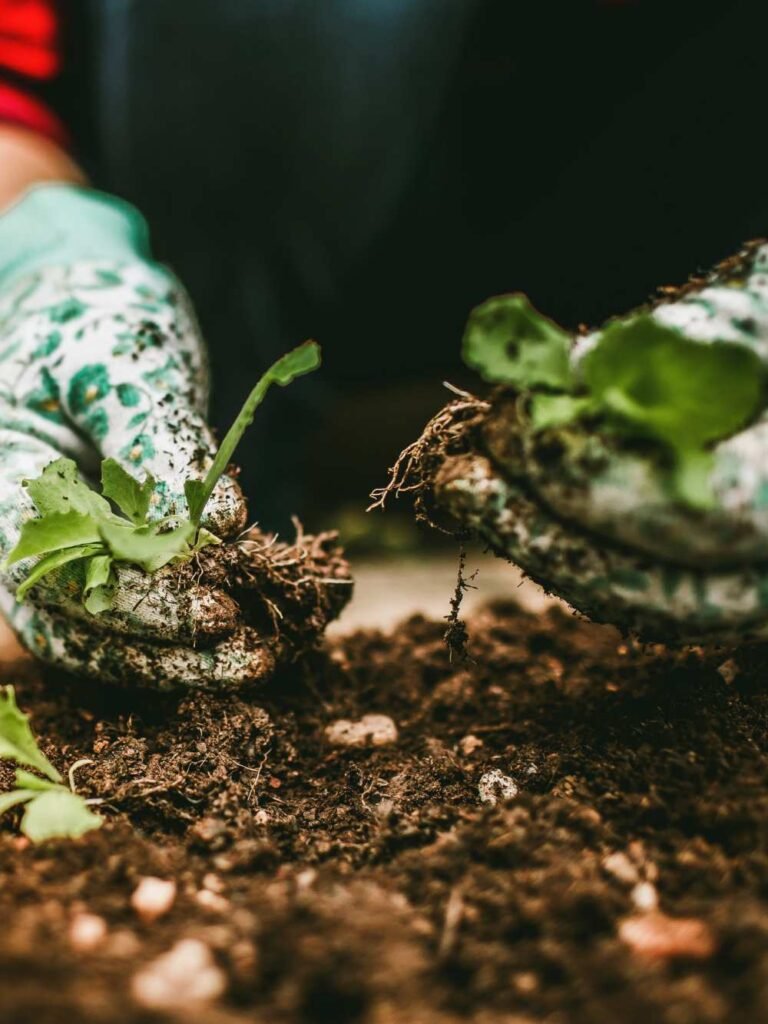
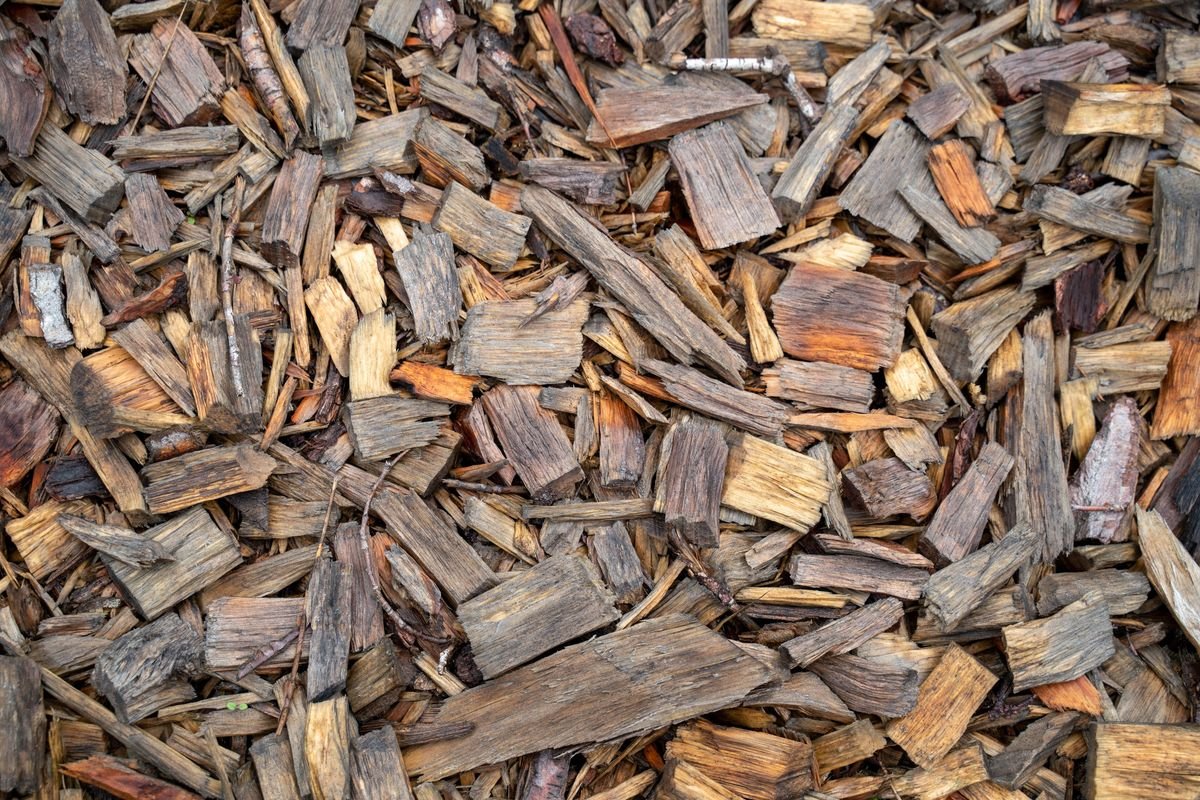
Organic mulches come from plant-derived materials that break down naturally over time. They are ideal for building soil fertility.
Common organic options include:
- Shredded hardwood bark for long-lasting landscape beds and shrub borders
- Pine needles for acid-loving plants like blueberries, azaleas, and hydrangeas
- Straw or clean hay for vegetable patches and seasonal annual beds
- Leaf mold or shredded fall leaves for rich, moisture-retentive perennial gardens
- Compost for an immediate nutrient boost across all planting zones
Types of Inorganic Mulch
Inorganic mulches do not break down or contribute nutrients, but they offer durability and permanence.
Popular inorganic materials include:
- Crushed gravel and pea stone for rock gardens, succulent beds, and Mediterranean herbs
- River rock for decorative borders and areas prone to heavy drainage
- Landscape fabric used beneath decorative gravel to prevent sinking into the soil
- Rubber mulch for playground borders and pathways where plant nutrition is not a priority
Selecting the Best Mulch for Your Garden
Choosing the right mulch depends entirely on the types of plants you are growing and your garden goals.
For vegetable gardens and fruit patches, fast-decomposing materials like straw, grass clippings, or compost work best because they enrich the soil every single season.
For ornamental trees, shrubs, and perennial beds, slow-decomposing wood chips or bark nuggets provide long-term beauty without requiring frequent replenishment.
Can Mulch Burn or Damage Roots
Mulch is generally safe, but improperly managed mulch can harm your plants.
Sour or improperly cured mulch can accumulate toxic organic acids and alcohol in the center of huge piles where oxygen is absent. When applied directly to beds, this anaerobic mulch can scorch foliage and damage shallow roots.
Fresh, nitrogen-rich grass clippings piled too thickly can also generate intense composting heat, which can literally cook nearby plant stems.
How Thick Should Mulch Be
Applying the right depth is crucial to reap the benefits of mulch without suffocating your plants.
For most fine-to-medium organic mulches, an even depth of two to three inches is ideal. Coarser materials like large bark nuggets can be laid up to four inches thick because air still circulates through the gaps.
Applying more than four inches can choke off oxygen exchange, prevent water from reaching the soil, and cause plants to root upward into the mulch layer instead of deep into the ground.
Common Mulching Mistakes to Avoid
Even seasoned gardeners make simple mistakes when laying down mulch.
Watch out for these common errors:
- Mulch volcanoes: Piling mulch high against tree trunks and plant stems, which invites rot, fungus, and pest boring
- Over-mulching: Creating a dense barrier thicker than four inches that starves root zones of air
- Mulching completely dry soil: Always water thoroughly before laying mulch so moisture is trapped beneath
- Using contaminated clippings: Applying lawn clippings treated with persistent herbicides that damage garden plants
How Often Should You Replace Mulch
You rarely need to remove old mulch completely unless it has been infested with persistent fungal mats or pests.
Fine organic materials, like shredded leaves or compost, break down within a single season and can simply be topped up each spring.
Hardwood bark and wood chips last two to three years. Simply rake the existing layer lightly to break up any crust, then add a thin one-inch refresher layer to restore color and depth.
Best Practices for Applying Mulch
To get the most out of your mulch application, follow a clear, organized process.
Start by weeding the bed thoroughly and watering the soil deeply. Spread your mulch evenly across the bed using a rake or your hands, keeping a clear gap of two to three inches around the base of every plant stem or tree trunk.
This simple donut pattern keeps the stems dry and well-ventilated while protecting the extensive root zone underneath.
Are You Mulching Your Garden Correctly?
Answer 4 quick questions to see your result