Many people assume that gardening is strictly a warm weather hobby that ends with the first autumn frost.
With the right planning and techniques, you can maintain a lively outdoor space and harvest fresh produce throughout every single month of the year. Four-season gardening transforms your yard into a continuous ecosystem that feeds your household, enriches the soil, and provides vital habitat for local wildlife.
Understanding Four Season Gardening
Four-season gardening is the method of actively growing, harvesting, and maintaining plants across all twelve months.
Instead of putting the entire garden to bed in October, you transition between different plant types and protective setups.
This continuous approach maximizes your garden yield and keeps living roots in the ground to nourish essential soil biology.
Why Year Round Gardening Matters
Keeping your garden active throughout the winter offers significant environmental and personal advantages.
Living plant roots prevent winter soil erosion and stop vital nutrients from leaching away during heavy rains.
Having fresh greens and cold-tolerant vegetables in the middle of winter reduces grocery bills and keeps your connection to fresh food intact.
Know Your Local Climate Zone
The foundation of successful year-round growing begins with knowing your regional hardiness zone.
Your zone tells you the average minimum winter temperatures you should prepare for.
Gardeners in warmer regions can grow tender root vegetables straight through winter, while northern gardeners must rely on cold-hardy varieties and sheltered structures.
Assess Garden Microclimates
Even within a single backyard, distinct microclimates can alter temperature and wind exposure.
South-facing walls absorb heat during the day and release warmth back into the soil at night.
Low-lying corners tend to gather frost and cold air, making them poor choices for delicate winter crops.
Plan Succession Planting
Succession planting ensures that as soon as one crop is harvested, another is ready to take its place.
By staggering your planting schedule, you avoid empty garden beds that invite weeds.
Midsummer is the perfect window to sow late fall and winter crops such as kale, radishes, and winter squash.
Use Row Covers for Cold Defense
Floating row covers are lightweight spun fabrics that drape directly over your plants.
They create a modest thermal barrier that can raise temperatures by several degrees.
Row covers also protect delicate winter leaves from harsh winds and freezing rain without blocking essential sunlight.
Build and Use Cold Frames
Cold frames act like miniature unheated greenhouses placed right over your garden soil.
A simple wooden box with a repurposed glass window lid can trap solar energy throughout the day.
Cold frames keep hardy greens like spinach, mâche, and arugula crisp and harvestable through freezing weather.
Invest in a Greenhouse

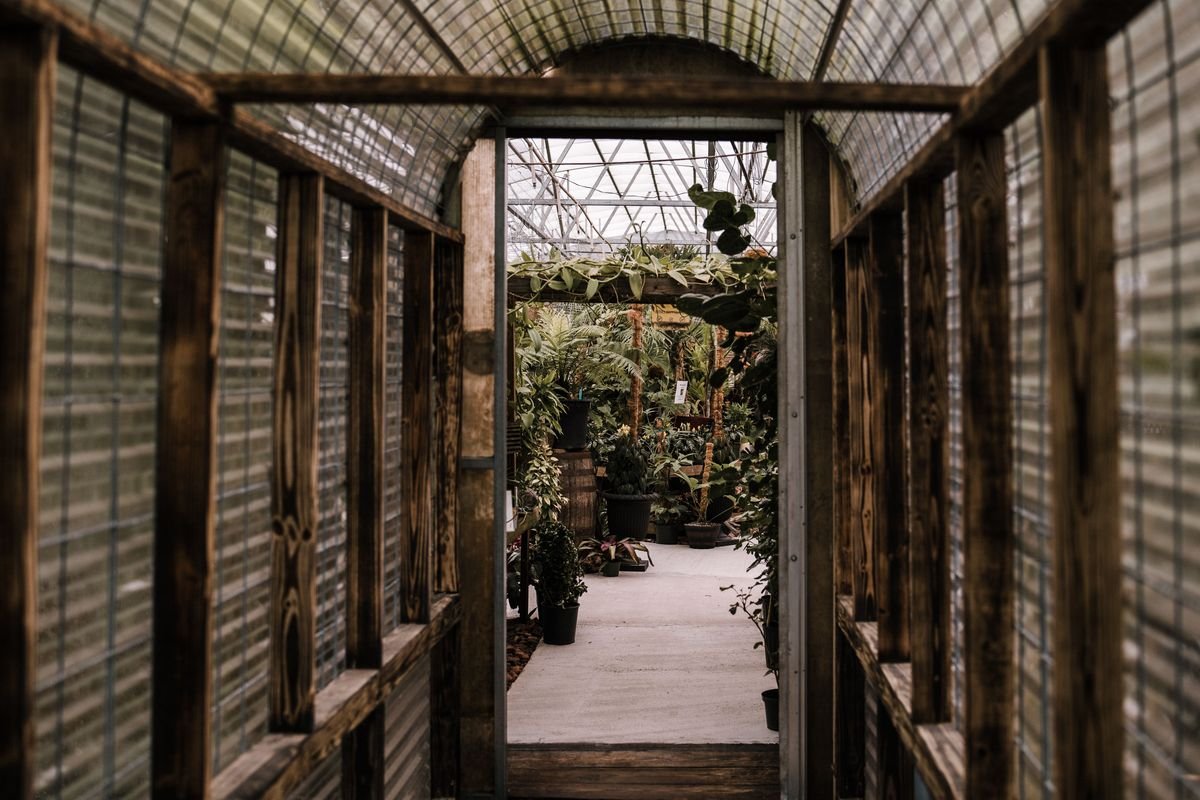
A walk-in greenhouse provides the ultimate level of climate control for four-season growing.
It allows you to extend the season for warm-weather crops and overwinter delicate container plants.
Even an unheated plastic greenhouse creates an environment warm enough to keep root systems thriving through hard freezes.
Protect and Nourish Your Soil
Healthy soil is the true engine of any successful winter garden.
Spread a thick layer of organic compost or straw mulch around all standing plants before freezing temperatures arrive.
Mulch insulates root zones, conserves soil moisture, and gradually breaks down to feed beneficial soil microbes.
Adjust Your Watering Routines
Plants require significantly less water during cold weather because evaporation rates drop drastically.
Overwatering in winter causes waterlogged soil and root rot, which quickly kills dormant plants.
Always check soil moisture beneath the mulch and water during the warmest part of the day so the moisture settles before freezing night temperatures.
Best Cold Hardy Vegetables to Grow
Certain vegetables develop richer flavors after experiencing light frosts as they convert starches into protective natural sugars.
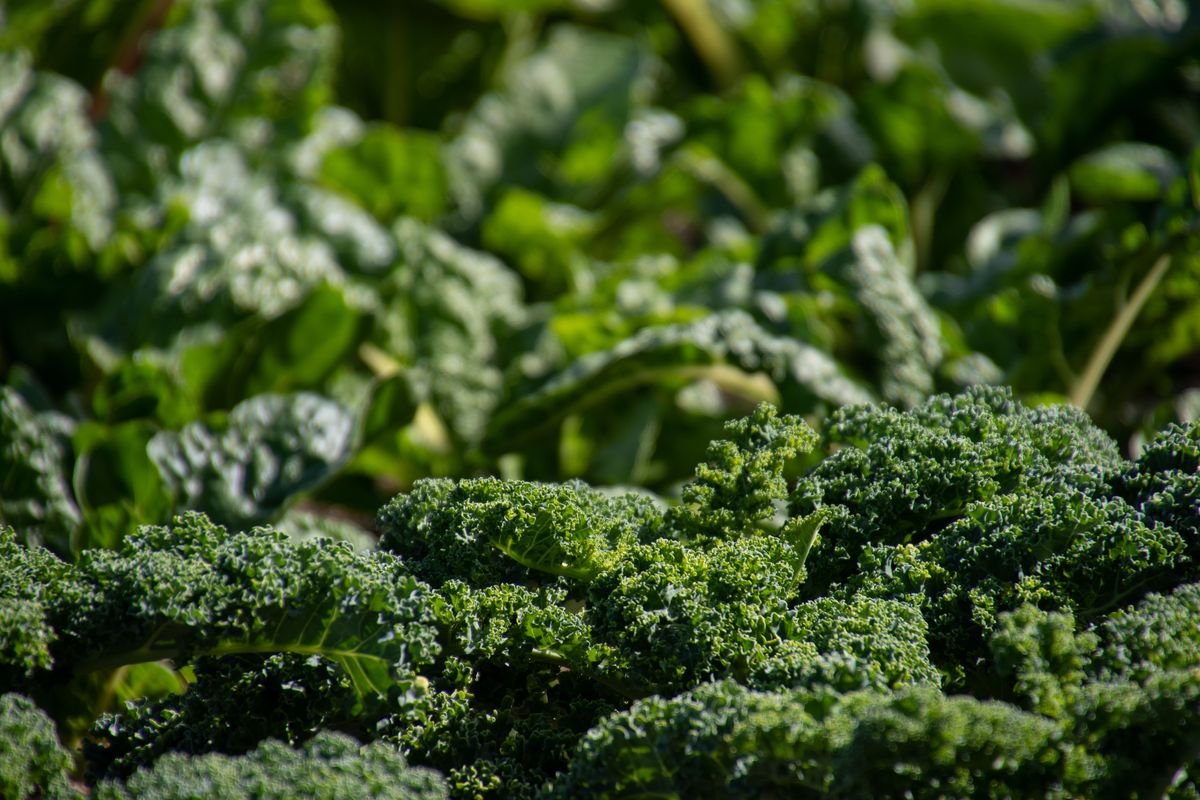
Kale, collards, and winter spinach can withstand sub-freezing temperatures under basic row covers.
Root crops like carrots, parsnips, and leeks can be stored directly in the ground beneath heavy straw until you are ready to dig them up.
Evergreen Shrubs for Winter Structure
Visual green elements are just as important for year-round garden satisfaction as edible crops.
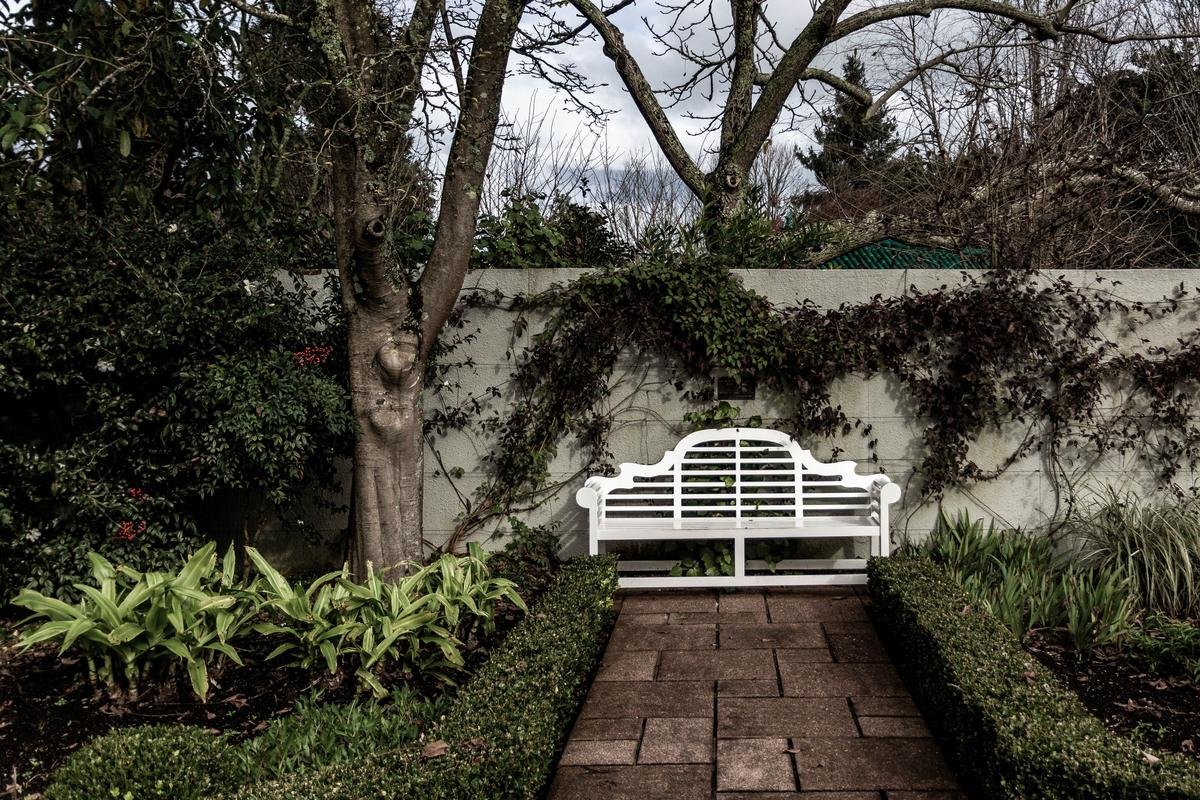
Incorporate hardy evergreen shrubs like boxwood, yew, and dwarf conifers throughout your landscape beds.
These plants provide structural interest, block cold prevailing winds, and offer shelter for overwintering birds.
Preparing Perennials for Winter
Preparing perennial flowers and herbs ensures strong growth when spring returns.
Prune away dead, diseased, or pest-damaged foliage in late autumn to prevent fungal spores from overwintering.
Leave ornamental seed heads on plants like coneflowers and black-eyed Susans to feed songbirds and add beauty against the winter frost.
How Prepared Is Your Garden for Four-Season Growing?
Answer 4 quick questions to see your result