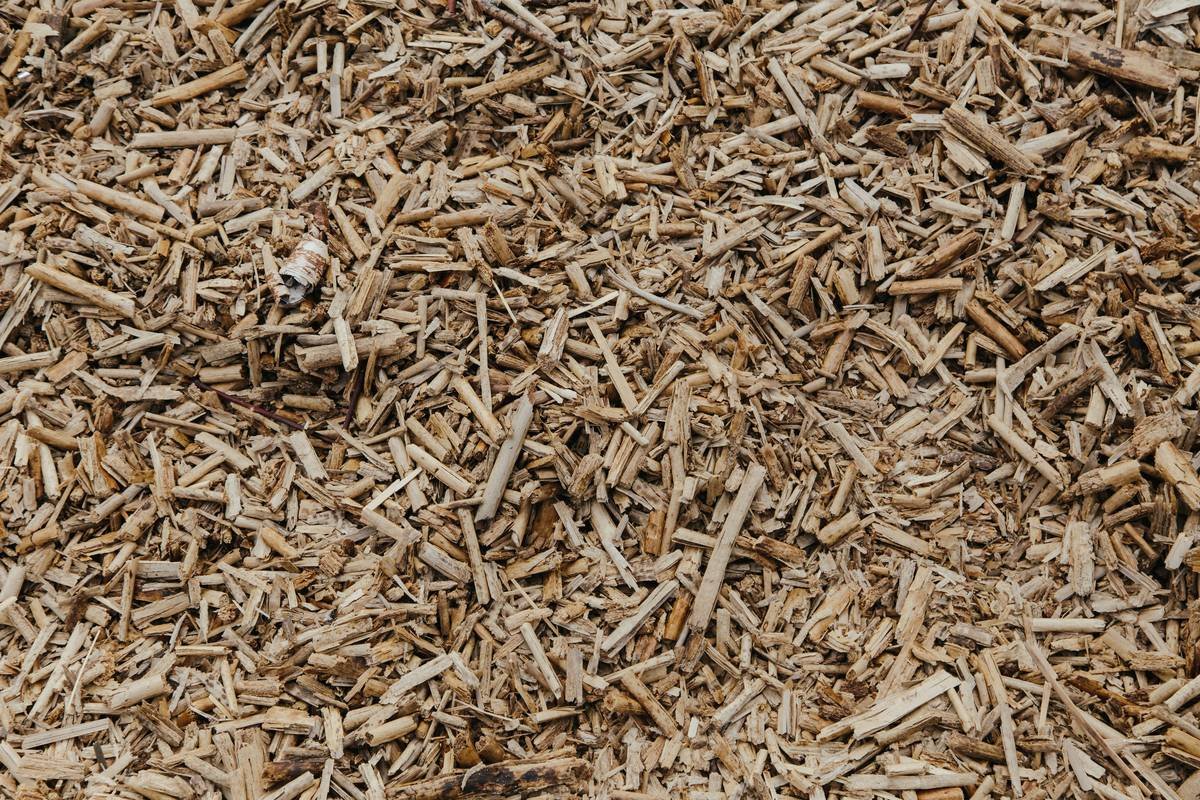
Adding a thick layer of mulch to your garden beds is one of the best things you can do for your soil and plants.
Mulch keeps weeds from taking over, holds valuable moisture in the ground during hot spells, and slowly breaks down to feed organic matter into your garden.
While wood chips from a heavy commercial chipper are great, you do not need expensive machinery to create fantastic mulch at home.
If you have fallen branches, dry leaves, or pruning debris sitting in your yard, you can easily turn them into nutrient-rich mulch using standard tools you already own.
Why Mulch Matters for Your Garden
Mulch acts as a protective blanket across the surface of your soil. Without mulch, bare earth is exposed to direct sunlight, harsh winds, and heavy rainfall that can compact the dirt.
When you cover garden beds with shredded organic matter, you create an ideal environment for soil microbes and earthworms. These beneficial organisms thrive in cool, moist soil and work around the clock to improve soil structure.
Mulch also regulates soil temperature throughout the seasons. It keeps plant roots cool during the heat of midsummer and provides insulation against sudden temperature drops in the fall.
Over time, organic mulch decomposes and enriches your garden with vital nutrients. This natural cycle reduces the need for synthetic fertilizers and improves overall plant health without extra cost.
Chopping Wood Branches by Hand
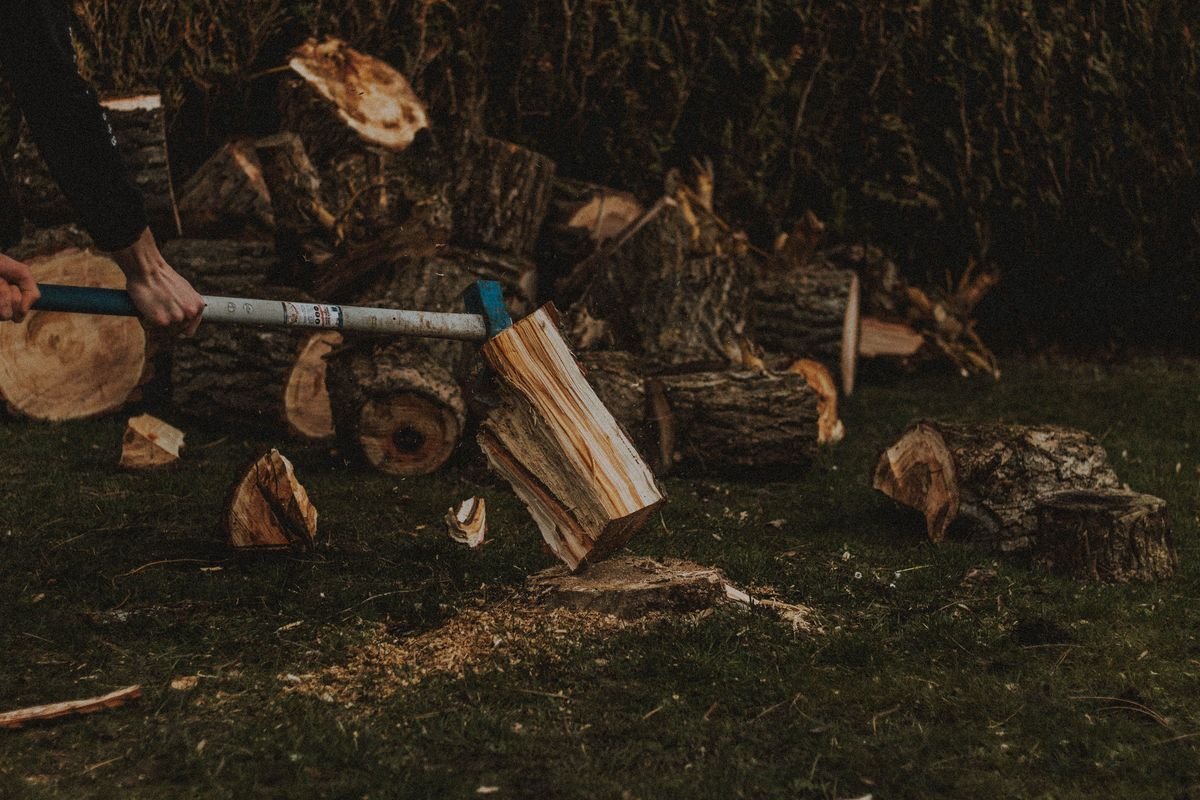
If you have a collection of fallen tree limbs and thick branches, you can break them down manually using a sharp axe, hatchet, or splitting maul.
Start by trimming off small side branches so you have clean, straight pieces of wood to work with. Place your branch or log securely on a sturdy chopping block to protect your tools and prevent slipping.
Chop the wood lengthwise into thin slivers rather than broad chunks. Thin slivers break down much faster in the garden and knit together nicely on top of garden beds.
- Use a sharp hatchet for branches that are one to two inches thick.
- Use a full-sized axe or splitting maul for thicker logs and stump sections.
- Keep a mallet and wedge handy to split stubborn hardwood pieces.
Manual chopping gives you complete control over the size of your wood chips, but it does require physical effort. Take regular breaks and work in short sessions so you do not strain your back or arms.
Using a Lawn Mower on Leaves and Small Twigs
Your standard rotary lawn mower is one of the most effective mulching tools you already own. It excels at breaking down dry leaves, pine needles, and slender twigs.
Spread your yard debris across a flat grassy area in a layer that is roughly two to three inches deep. If the pile is too deep, the mower may bog down or scatter material without cutting it cleanly.
Attach the grass collection bag to your mower, set the deck to a middle or high setting, and run directly over the pile. The rapidly spinning blades will slice dry leaves and brittle twigs into fine, uniform pieces.
Empty the collection bag straight into your garden beds or into a wheelbarrow for easy transport. Shredded leaves make exceptional mulch because they do not mat down into an airtight layer like whole leaves often do.
Shredding Yard Waste with a String Trimmer
A string trimmer paired with a large plastic garbage can makes an outstanding homemade leaf and twig shredder. This method works like an oversized kitchen blender for organic material.
Place dry leaves, garden clippings, and soft plant stems into a clean, empty plastic trash can until it is about half full. Do not pack the material down tightly.
Insert the head of your string trimmer into the barrel and turn it on. Move the trimmer head slowly up and down through the material while holding the barrel steady with your other hand.
In less than a minute, the trimmer line will reduce a full barrel of loose leaves and stems into a handful of fine mulch. This approach is fast, keeps debris contained, and creates remarkably uniform mulch for delicate flower beds.
Using Pruners and Loppers for Small Batches
When you only need a small amount of mulch for container plants or a single raised bed, hand pruners and bypass loppers are ideal tools.
After pruning shrubs, perennial flowers, or fruit trees, gather the trimmings into small bundles. Use your bypass pruners to snip the stems into segments that are one to two inches long.
Loppers give you extra leverage for branches that are up to an inch in diameter. By cutting branches into short pegs, you create a rustic, coarse mulch that works wonderfully around shrubs and trees.
This method takes minimal setup and allows you to clean up pruning mess while simultaneously creating mulch right beside your garden beds.
Cardboard and Paper as Alternative Mulch
Wood and leaves are not the only materials you can turn into effective garden mulch. Plain corrugated cardboard and non-glossy newspaper work remarkably well for suppressing stubborn weeds.
Remove all plastic tape, shipping labels, and staples from your cardboard boxes. Lay the flat cardboard pieces directly over the soil around your plants, making sure to overlap the edges by several inches so weeds cannot emerge through the gaps.
If you prefer shredded mulch, you can run plain newspaper and thin cardboard through a cross-cut paper shredder. Shredded paper creates a light, fluffy mulch that settles well once watered down.
Always top paper or cardboard with a thin layer of chopped leaves, bark, or compost. This keeps the paper from blowing away in the wind and provides a neat, natural finish for your landscape.
Safety Gear You Must Wear
Making mulch without specialized machinery still involves sharp blades, high-speed tools, and flying wood splinters. Taking proper safety precautions will protect you from unnecessary injuries.
Always wear impact-resistant safety glasses when using lawn mowers, string trimmers, or hand chopping tools. Wood fragments and dried stems can easily bounce into your eyes.
Put on heavy leather work gloves to shield your hands from blisters, splinters, and thorns. Sturdy boots with non-slip soles are essential when chopping wood with axes or operating yard equipment.
- Safety glasses or a full face shield to block flying debris.
- Heavy leather work gloves to protect your hands and wrists.
- Ear protection when operating string trimmers or gas lawn mowers.
- Dust mask or respirator when shredding dry leaves to avoid inhaling mold spores.
When You Should Consider Buying or Renting a Chipper
While manual methods work brilliantly for small yards, there comes a point where volume makes a dedicated machine practical. If you have multiple acres, large fallen trees, or regular storm cleanup, manual mulching may consume dozens of hours.
Renting a commercial wood chipper from a local tool rental shop is an affordable way to process massive piles of branches in a single afternoon. You can clear your entire property and generate a year of premium wood chips in just a few hours.
If you prefer to own your equipment, compact electric chipper shredders are available at hardware stores for moderate prices. These smaller residential units are quiet, take up little storage space, and handle branches up to an inch and a half thick with ease.
Best Practices for Applying Homemade Mulch
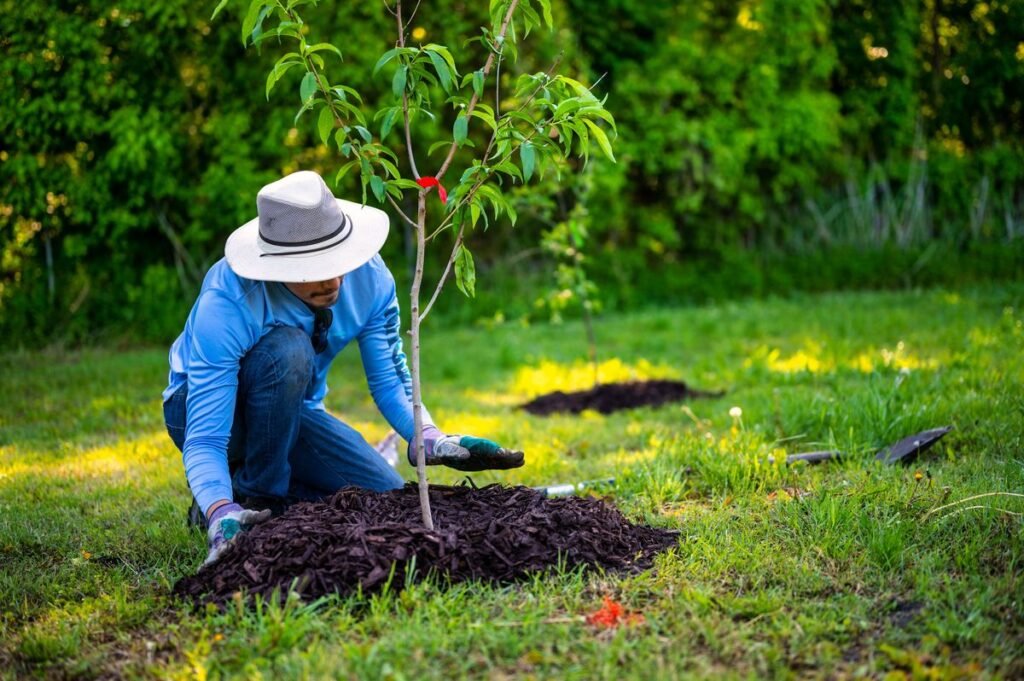
Once you have produced your homemade mulch, applying it correctly ensures your plants receive maximum benefits without developing fungal problems.
Spread the mulch across your soil in an even layer between two and four inches deep. A layer thinner than two inches will not block sunlight well enough to stop weeds, while a layer thicker than four inches can prevent oxygen and water from penetrating the root zone.
Always keep mulch pulled back two to three inches away from the trunks of trees and the stems of woody shrubs. Piling mulch directly against plant stems creates excess moisture that encourages rot, fungal infections, and rodent damage.
Water the mulch thoroughly after spreading it across your garden beds. Wetting the material helps it settle into place and keeps light leaves and wood shavings from scattering in strong winds.
Should You Make Mulch by Hand or Rent a Chipper?
Answer 4 quick questions to see your result