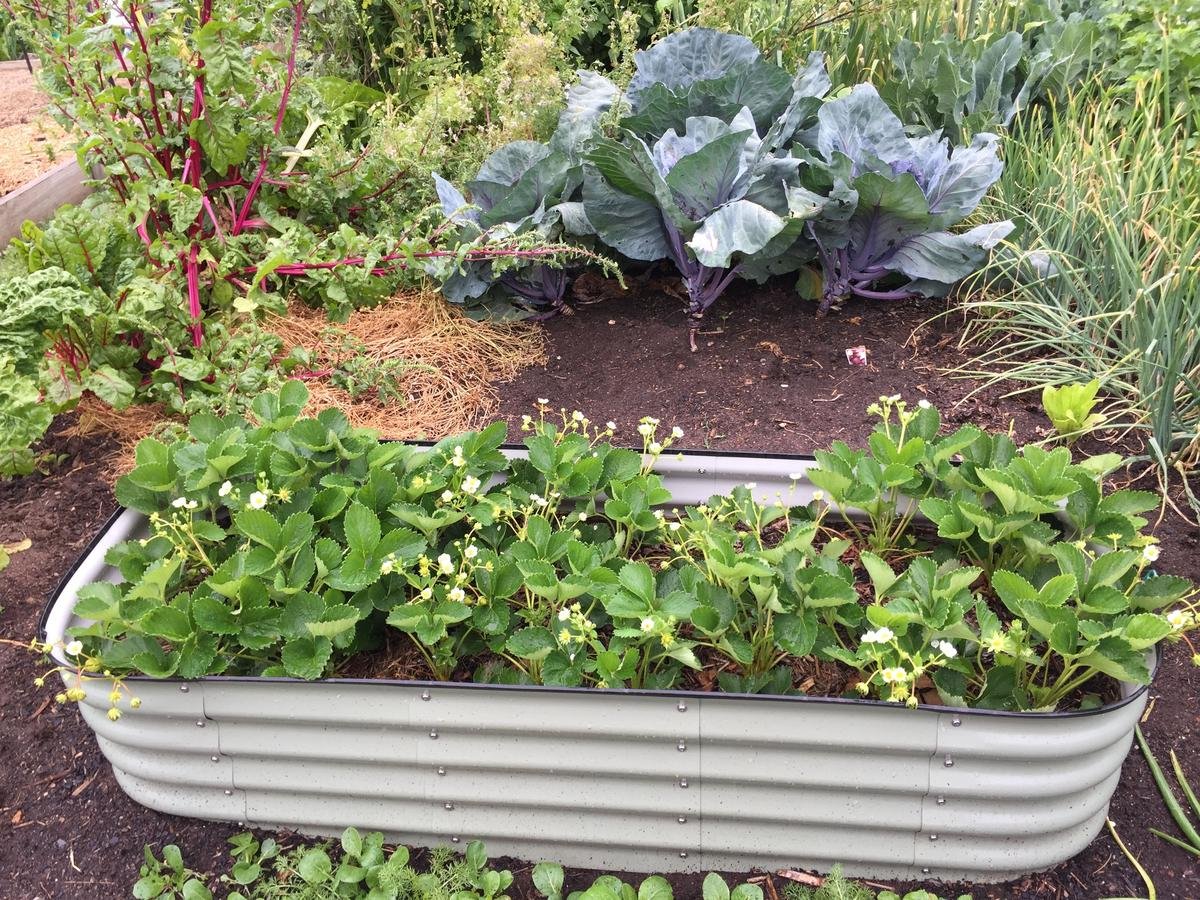
When most people picture a vegetable patch, they imagine messy dirt rows, sprawling vines, and tangled stakes. While functional, that traditional setup does not always inspire you to step outside with a harvesting basket every morning.
A salad garden can be just as breathtaking as an ornamental flower bed while serving fresh produce for your kitchen table daily. By combining purposeful design, diverse plant textures, and rich colors, you can cultivate an outdoor space that pleases both your eyes and your appetite.
Plan Your Garden Layout First
Before you sow a single seed or buy nursery starts, take time to map out your space on paper. A well-organized layout ensures every vegetable receives optimal sunlight while keeping daily maintenance simple and pleasant.
Start by assessing how the sun moves across your yard throughout the day. Most salad ingredients, such as crisp lettuces, radishes, and sweet peppers, thrive best with at least six hours of direct sunlight.
Consider how you move through your yard as well. You will want quick and effortless access from your kitchen door to your garden beds so that clipping fresh greens for dinner never feels like a chore.
Pick the Right Bed Shapes
Raised garden beds offer clean lines and structural order that immediately elevate the visual appeal of any backyard. They also give you complete control over soil quality, drainage, and root depth.
Geometric layouts like squares, rectangles, or even classic French potager patterns bring balance and sophistication. If your home has clean modern lines, matching symmetrical rectangular beds will complement your architecture beautifully.
For a relaxed cottage feel, curved wooden planters or keyhole garden designs create gentle visual movement. Keep the width of your beds under four feet so you can reach the center comfortably without stepping onto the soil.
Arrange Plants by Height and Spread
One of the quickest ways a salad garden looks chaotic is when tall plants overshadow smaller, delicate greens. Organizing your crops by height establishes visual structure and keeps every plant healthy.
Place taller crops like trellised cucumbers, pole beans, and cherry tomatoes along the northern or eastern side of your planting beds. This prevents them from casting heavy shadows over lower-growing crops during peak afternoon sun.
Group medium-sized leafy greens such as romaine, kale, and Swiss chard in the middle zone. Finish the edges with low-growing ground-huggers like baby spinach, loose-leaf lettuces, and miniature radishes.
Prevent Weeds with Smart Spacing
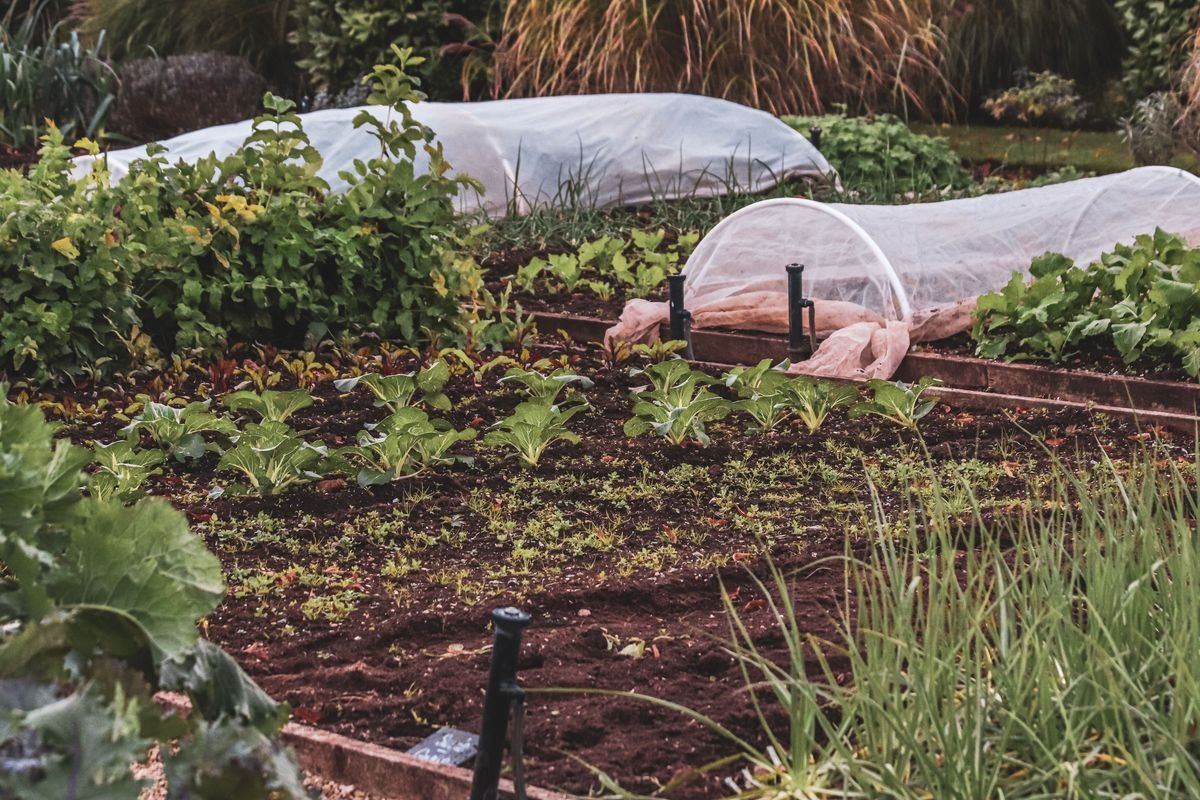
Empty patches of exposed soil look unkempt and invite aggressive weeds to take over your planting beds. Leaving too much bare dirt also causes moisture to evaporate rapidly under the hot sun.
Instead of wide open spaces, practice dense companion planting that creates a living green canopy. As your salad crops mature, their leaves will touch lightly, shading the soil beneath them and locking in vital root moisture.
Be mindful not to overcrowd plants to the point where air cannot circulate freely. Good airflow is essential for preventing powdery mildew and fungal leaf spots, especially in humid regions.
Add Color with Diverse Leafy Greens
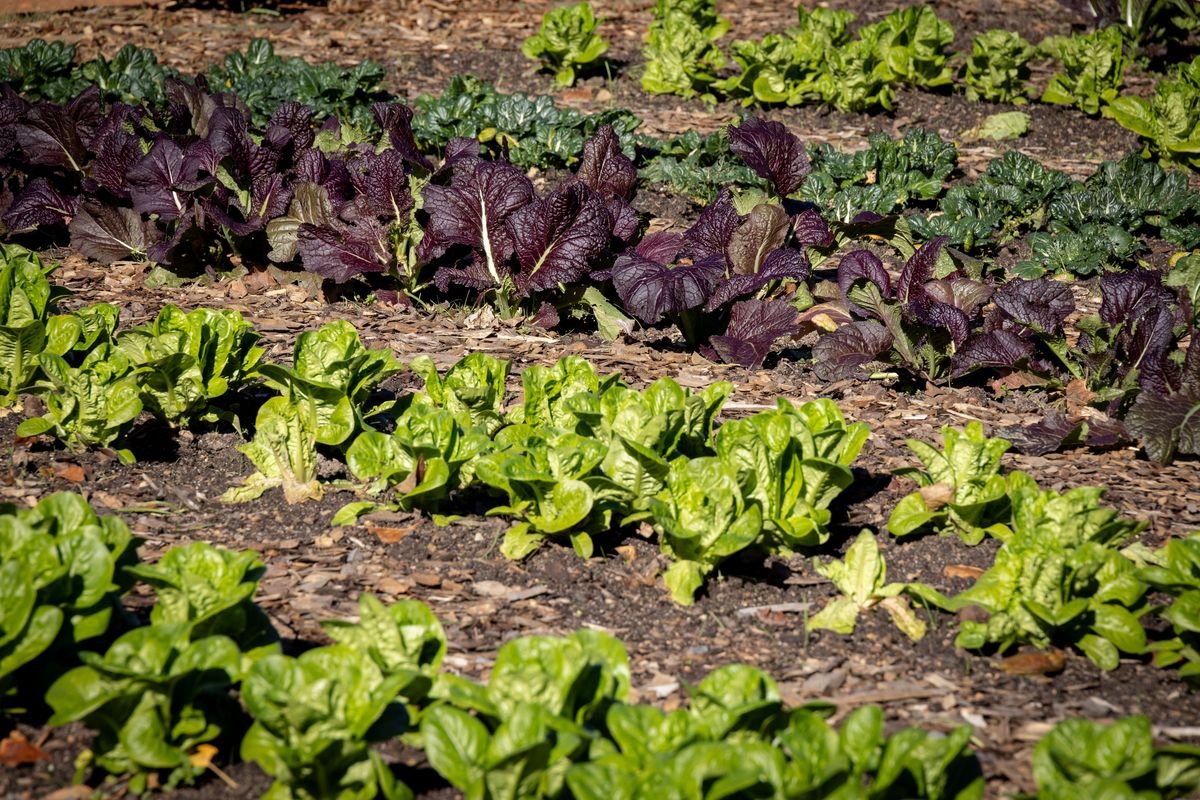
If you plant only standard green butterhead lettuce, your garden beds might end up looking flat and monotonous. You can transform your space into a vibrant visual tapestry simply by mixing different foliage hues.
Incorporate deep red and purple varieties such as ‘Lollo Rossa’ lettuce, ‘Redbor’ kale, and purple mustard greens. Their rich pigmentation creates striking contrast against emerald greens and golden-yellow chard stems.
Pay attention to leaf textures as well. Pairing ruffled endive with glossy spinach leaves and feathery carrot frills adds depth and sophistication to every row.
Mix in Bright Root Crops
Root vegetables are staples in any fresh salad bowl, and their above-ground foliage is surprisingly elegant. Radishes, beets, and young carrots add lovely form to garden edges while maturing quickly.
French breakfast radishes display bright green leaves with glowing magenta shoulders peeking above the soil line. Golden beets and rainbow carrots feature colorful stems that highlight bed borders.
Because root crops grow downward, you can interplant them snugly between slower-growing crops. They will be ready to harvest long before larger plants need the extra root space.
Integrate Fragrant Culinary Herbs
No gourmet salad is complete without fresh aromatic herbs, and these plants make fantastic border accents. Herbs provide fine textures, pleasant fragrances, and natural pest deterrence across your garden beds.
Plant sweet basil, purple ruffled basil, and curly parsley along the sunny corners of your planter boxes. Chives produce beautiful spherical lavender blooms in spring that look gorgeous and taste mildly of onion.
Bushy herbs like thyme and oregano can trail gently over the wooden edges of raised beds. This softens hard corners and releases wonderful essential oil aromas every time you brush past them.
Plant Edible Flowers for Charm and Pest Control
Bringing flowers into a food garden adds instant charm, but choosing edible varieties makes them doubly rewarding. You can toss the petals directly into your salad bowls for restaurant-style presentation.
Bright orange and yellow nasturtiums are classic salad companions with a delicious peppery crunch. Their broad, round leaves fill open gaps quickly while deterring harmful aphids and beetles.
French marigolds and vibrant calendula blossoms attract beneficial pollinators and predatory insects like hoverflies and ladybugs. Meanwhile, delicate blue borage flowers offer a mild cucumber flavor that pairs perfectly with cool summer dressings.
Use Warm Wood and Natural Materials
The materials you use to build and frame your garden beds establish the overall tone of your outdoor sanctuary. Natural wood, stone, and woven willow offer a grounded, organic feel that synthetic plastics cannot match.
Cedar and redwood are naturally rot-resistant options that weather into a soft, rustic silver-gray tone over time. If you prefer a crisp cottage aesthetic, safe non-toxic white paint or earth-toned milk stains work wonders.
Incorporate climbing structures made of bamboo poles or natural branch teepees for your vining crops. These vertical elements draw the eye upward and turn simple climbing peas into architectural features.
Design Pathways and Seating Zones
A salad garden should be an inviting retreat where you want to spend quiet mornings and relaxing evenings. Installing clean pathways and a dedicated resting nook transforms your plot from a farm chore into an outdoor room.
Line your walkways with pea gravel, cedar woodchips, or flagstone pavers. This keeps your shoes clean on dewy mornings while clearly separating walking zones from soft garden soil.
Add a small bistro table or a weathered wooden bench nearby. Having a place to sit, sip tea, and admire your growing crops will deepen your connection to your garden space.
Practice Succession Planting for Continuous Harvests
Nothing ruins the beauty of a salad garden faster than harvesting an entire bed all at once, leaving behind bare dirt and pulled roots. Succession planting solves this problem by ensuring a steady, rotating harvest.
Instead of sowing a full packet of lettuce seeds in one afternoon, plant a short row every ten to fourteen days. As the oldest heads reach maturity, new seedlings are already emerging nearby to take their place.
Use the ‘cut-and-come-again’ harvesting method for loose-leaf greens. By trimming only the outer leaves and leaving the central crown intact, your plants will produce crisp new growth for weeks.
Final Thoughts on Salad Gardens

Designing an edible salad garden allows you to merge ornamental beauty with nutritious homegrown food. When you treat your vegetable beds like an artistic landscape, gardening becomes a daily source of delight.
Start small, choose varieties you love to eat, and experiment with vibrant colors and rich textures. With a thoughtful layout and consistent care, your garden will reward you with gorgeous views and delicious meals all season long.
Is Your Space Ready for a Salad Garden?
Answer 4 quick questions to see your result