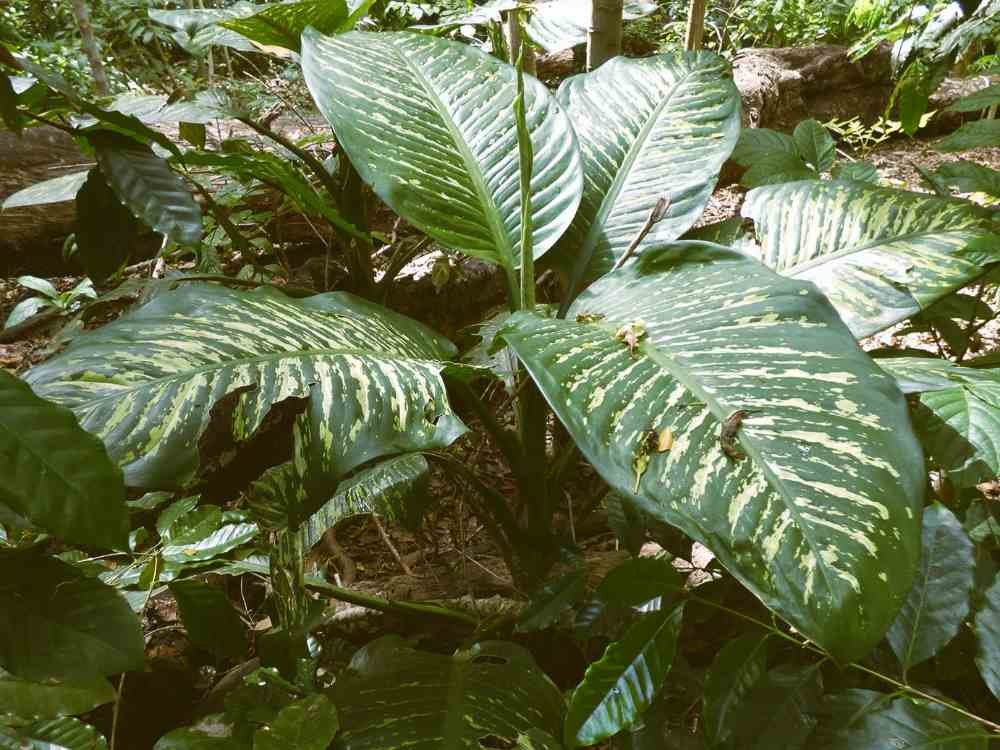
Dieffenbachia, commonly known as dumb cane, is widely adored as a vibrant indoor houseplant with striking foliage. Its lush, patterned leaves bring a slice of the tropics directly into living rooms and offices across the world.
While most plant parents keep this showstopper strictly indoors, you might wonder whether it can survive and flourish in your outdoor garden or patio.
The great news is that dieffenbachia can indeed grow outdoors under the right conditions, often reaching heights and leaf sizes that far surpass what it achieves inside.
Ideal Outdoor Growing Conditions
Dieffenbachia originates from the warm, humid, tropical rainforests of Central and South America. In these natural habitats, the plant thrives underneath dense forest canopies where direct sunlight never scorches its broad leaves.
Replicating this tropical environment in your yard is the key to outdoor success. You will need warmth, elevated humidity, and a steady supply of bright, dappled shade throughout the day.
When you give dumb cane these exact conditions, it responds with vigorous growth. A plant that produced modest twelve-inch leaves indoors can suddenly push out foliage that spans twenty inches or more across a single summer season.
Climate Zones and Temperature Limits
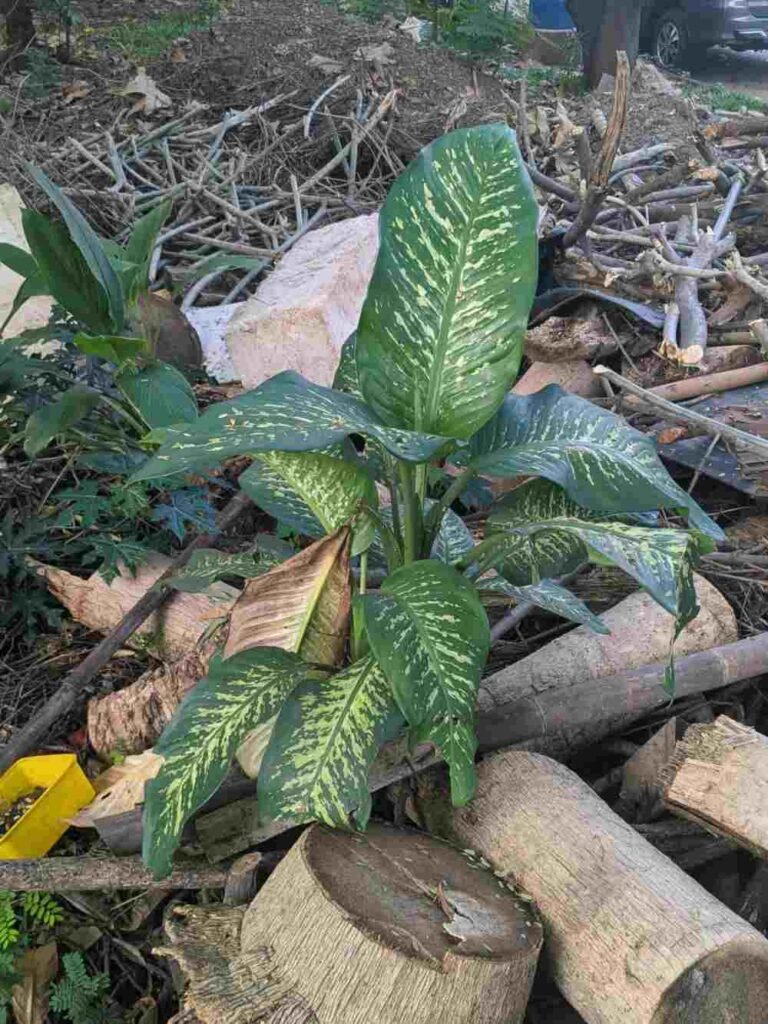
Because dieffenbachia is completely intolerant of frost, climate plays a major role in how you should grow it outside.
In USDA hardiness zones 11 and 12, dieffenbachia can live outdoors in the ground all year without winter risk.
If you live in zones 9 or 10, you might keep your plant outside during most months, but you must protect it during unexpected cold snaps. For zones 8 and below, outdoor growing should remain strictly seasonal.
Temperature is the single most critical factor when planning outdoor placement. Dieffenbachia prefers sustained temperatures between 65 and 85 degrees Fahrenheit.
If night temperatures drop below 55 degrees, growth halts and foliage begins to show signs of cold distress. Sustained exposure to freezing temperatures will destroy the leaf tissue and kill the root ball entirely.
Finding the Right Sunlight Balance
Outdoors, natural sunlight is significantly stronger than the light coming through your living room windows. Direct sun can quickly scorch dieffenbachia leaves, leaving behind bleached spots, crisp brown edges, and permanent damage.
To prevent sunburn, place your plant in an area that receives bright indirect light or gentle morning sun. A covered patio, a shaded porch, or the area beneath a leafy tree canopy offers an ideal light balance.
If you notice that the leaves are turning pale yellow or losing their distinct patterns, your plant may be receiving too much intense light. Moving the pot just a few feet deeper into the shade often resolves the problem quickly.
Conversely, if the plant produces long, leggy stems with tiny leaves, it is likely reaching toward a light source and needs a brighter shaded spot.
Soil and Moisture Management Outside
Soil moisture behaves very differently outdoors compared to the steady environment of an indoor room. Summer heat and wind can dry out potting soil rapidly, while unexpected rainstorms can saturate the ground for days.
Dieffenbachia requires a loose, well-draining soil mix that holds moderate moisture without becoming waterlogged. A blend of standard potting soil, perlite, and orchid bark creates an ideal structure for root aeration.
If you plant dieffenbachia directly into a garden bed, amend heavy clay soils with organic compost to improve drainage. Always make sure outdoor containers feature large drainage holes so excess rainwater can escape immediately.
Check the moisture level regularly by inserting your finger two inches into the soil. Water deeply when the top two inches feel dry to the touch, and avoid letting the pot sit in standing water trays outside.
Moving Your Plant Outdoors Safely
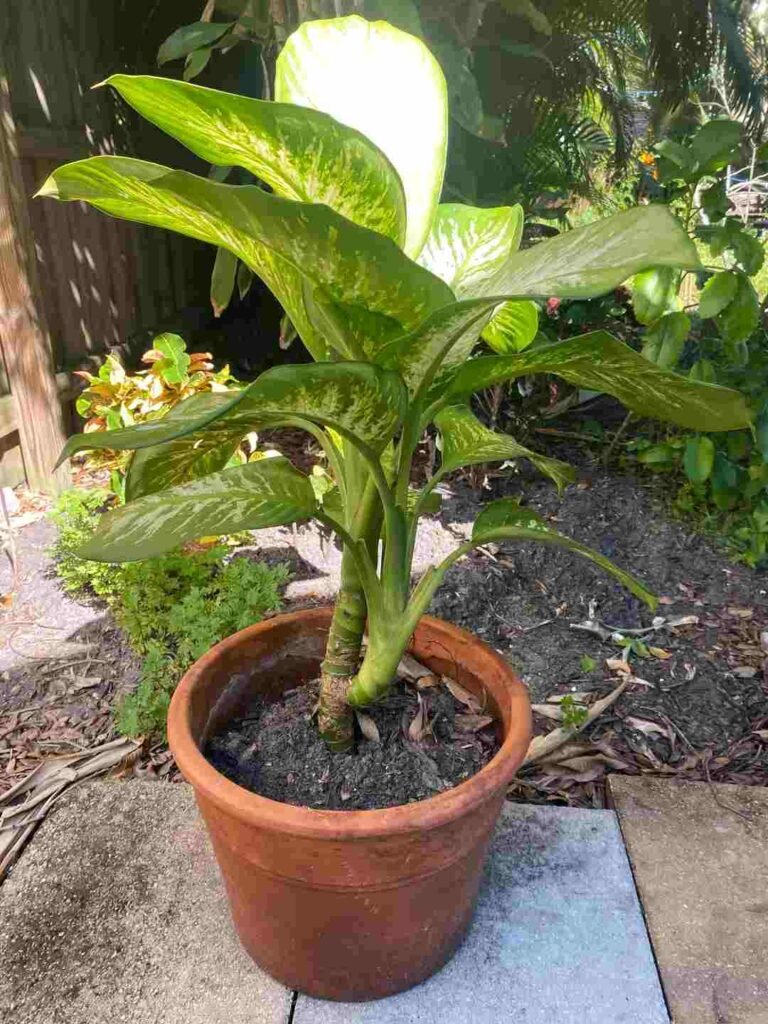
You should never move an indoor plant directly into full outdoor conditions in a single afternoon. The sudden increase in light intensity, wind exposure, and temperature fluctuation can cause severe shock and defoliation.
Acclimatize your dieffenbachia through a gradual hardening off process over ten to fourteen days:
- Day 1 to 3: Place the plant in a deep shade spot protected from strong wind for two to three hours, then bring it back inside.
- Day 4 to 7: Gradually extend outdoor time to six or eight hours in bright, indirect shade.
- Day 8 to 10: Allow the plant to remain outside for a full day in its permanent shaded location.
- Day 11 onwards: Leave the plant outside overnight once minimum nighttime temperatures stay reliably above 60 degrees Fahrenheit.
Taking your time during this transition period gives the foliage time to develop a thicker cuticle layer, helping it resist wind and ambient temperature shifts.
Common Outdoor Pests and Protection
Growing outside opens up your plant to natural predators and garden pests that rarely enter the home. While beneficial garden insects help keep pest populations in check, you must still inspect your plant regularly.
Watch out for common troublemakers such as spider mites, aphids, mealybugs, and scale insects. Slugs and snails also enjoy munching on the broad, succulent foliage of young dieffenbachia plants.
If you discover an infestation, hose down the undersides of the leaves with a gentle spray of water to dislodge pests. Follow up with an application of neem oil or insecticidal soap in the evening so the sun does not burn treated leaves.
Keep the base of the plant clear of rotting leaf debris, which frequently harbors hiding pests and fungal spores.
Bringing Dieffenbachia Back Inside
When late summer winds down and nighttime temperatures consistently drop toward 55 degrees Fahrenheit, it is time to prepare your plant for its journey back indoors.
Begin the reverse acclimatization process early to minimize shock before you crank on the indoor heating system. Start by moving the container to a deeper shade area on your patio for a week to prepare it for indoor light levels.
Before bringing the pot indoors, give the entire plant a thorough inspection and cleaning:
- Wipe down all leaf surfaces and stems with a damp cloth to remove outdoor dust, pollen, and lingering bugs.
- Drench the soil thoroughly with a diluted neem oil treatment to eradicate hidden soil-dwelling pests.
- Prune away any damaged, yellowed, or sun-spotted leaves to encourage tidy, compact growth indoors.
Once indoors, place the plant near a bright window with filtered light and monitor it closely for the first two weeks.
Basic Pruning and Outdoor Maintenance
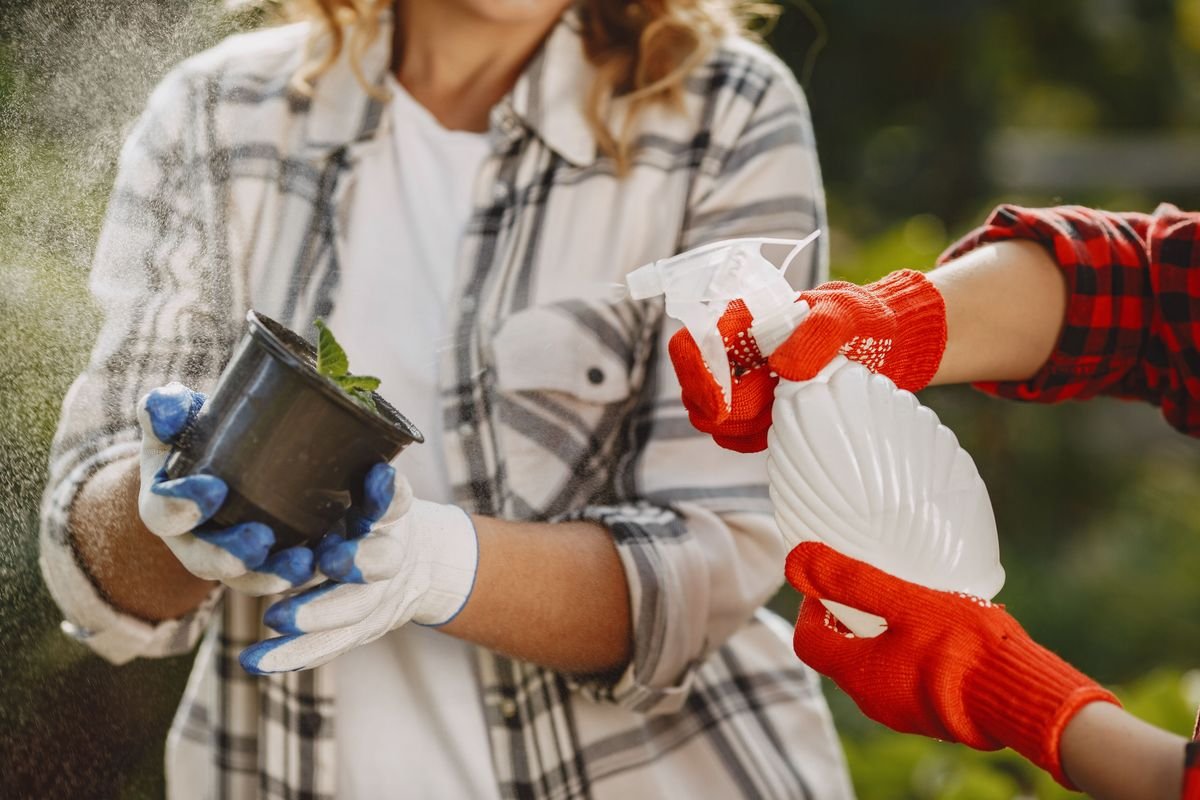
Dieffenbachia tends to grow rapidly during warm outdoor months, which means you may need to prune it occasionally to maintain its shape.
It is completely natural for older leaves at the bottom of the stalk to turn yellow and drop off as new growth emerges from the crown. Use sterilized shears to cut dead leaves close to the main stem.
If your dieffenbachia grows tall and bare at the bottom, you can cut the main cane back to roughly six inches above the soil line. The rooted base will produce fresh shoots, while the severed top cutting can be rooted in water or moist potting mix to start a new plant.
Always wear protective gloves when cutting or pruning dieffenbachia. The sap contains calcium oxalate crystals, which can cause intense skin irritation and swelling if touched or accidentally ingested.
Is Your Yard Ready for an Outdoor Dieffenbachia?
Answer 4 quick questions to see your result