
Dieffenbachia plants, commonly known as dumb cane, are cherished indoor companions thanks to their broad, patterned foliage and forgiving nature.
They bring a lush tropical vibe to living rooms and offices while asking for very little attention in return.
Even the most resilient plants eventually outgrow their space or start looking bare at the base. Learning how to prune your dieffenbachia keeps it compact, vibrant, and actively producing fresh foliage season after season.
What Is Dieffenbachia
Dieffenbachia is a genus of tropical perennial plants native to the New World tropics, stretching from Mexico down to Argentina. In their natural habitat, these plants flourish beneath dense rainforest canopies where sunlight filters through gently.
Because they adapted to tropical forest floors, dieffenbachias handle lower light levels indoors far better than many other large foliage houseplants.
Their striking leaves showcase intricate combinations of cream, yellow, and deep green variegation. Under the right indoor conditions, a healthy dieffenbachia can reach heights of four to six feet, making it a dramatic focal point in any room.
Understanding Dumb Cane Growth Habits
In an indoor setting, dieffenbachia develops thick, cane-like central stems that slowly shed lower leaves as the plant matures. This natural aging pattern exposes a sturdy trunk, giving the plant a miniature tree-like silhouette over time.
When light levels drop too low, the plant accelerates its vertical growth in an attempt to reach a brighter source. This response causes the spaces between leaf nodes to stretch out, leading to a spindly appearance.
Understanding how these growth nodes work allows you to guide the plant back toward a bushy, dense canopy with simple, targeted cuts.
Why Pruning Your Plant Matters
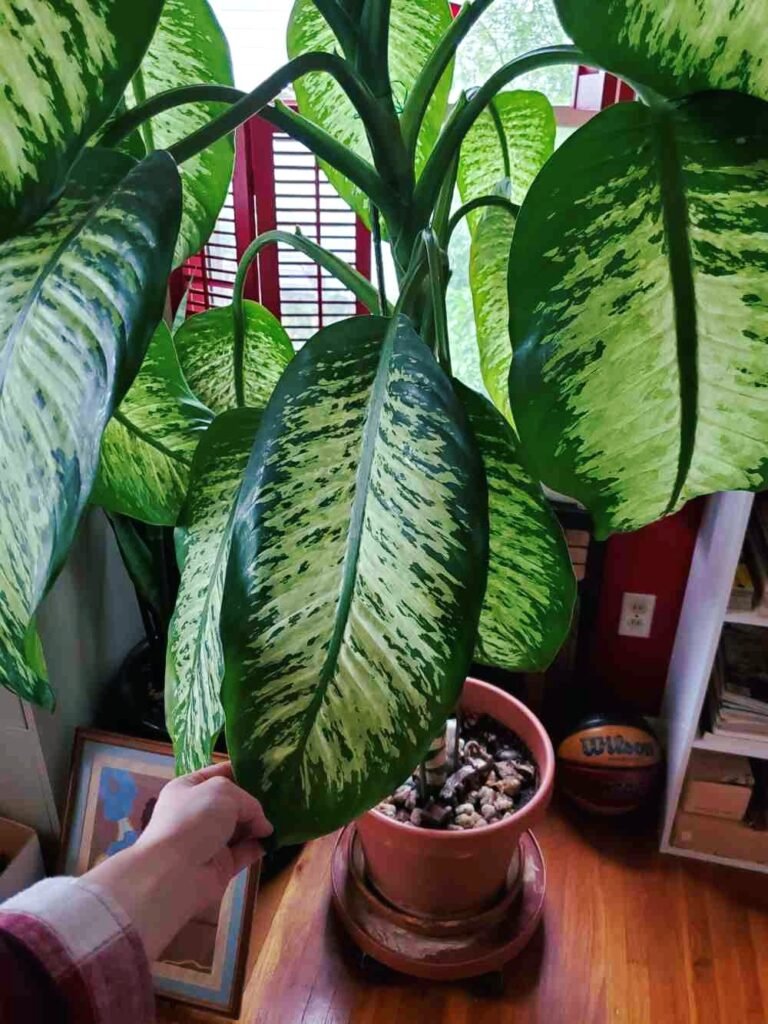
Pruning serves two primary functions for indoor plants: maintaining vitality and enhancing overall appearance.
Without periodic trimming, dieffenbachia stems can become top-heavy, causing them to lean awkwardly or snap under the weight of their own crown.
When you cut back an overgrown stem, you remove apical dominance. This biological process stimulates dormant buds located along the lower stem to awaken and send out fresh shoots.
Regular trimming also keeps the plant proportionate to its container, reducing the risk of premature root-bound stress.
Improving Plant Health and Airflow
Dense clusters of older foliage can restrict natural air circulation around the interior stems and the topsoil surface. Poor airflow creates an ideal microclimate for pests like spider mites and mealybugs, as well as fungal leaf spot.
By thinning out crowded branches and clearing away damaged leaves, you open up the canopy to fresh air.
Improved ventilation helps moisture evaporate evenly from the soil, protecting delicate roots from fungal pathogens and anaerobic conditions.
Controlling Shape and Bushiness
A mature dumb cane often loses its lower leaves naturally, leaving bare canes topped with a small cluster of foliage. While some plant owners enjoy this palm-like look, many prefer a lush, full pot with green leaves from soil level up.
Strategic pruning forces the plant to branch out closer to the base instead of focusing all its energy on a single upward stem.
Making precise cuts just above active growth points encourages multiple new side branches, transforming a sparse plant into a compact, bushy showpiece.
Safety Warnings Before You Begin
Before reaching for your pruning tools, you must understand the safety precautions unique to dieffenbachia. The common name dumb cane comes from the temporary loss of speech and intense irritation that occurs if the sap touches oral tissues.
The plant cells contain microscopic needle-shaped crystals that defend it from herbivores in the wild.
Always work with caution, especially in households with curious cats, dogs, or small children who might investigate discarded plant trimmings.
Handling Calcium Oxalate Crystals
Dieffenbachia sap contains insoluble calcium oxalate crystals packaged inside specialized cells called idioblasts. When a stem is cut, these needle-like structures eject and can puncture skin and mucous membranes.
Contact with raw sap can cause localized redness, intense itching, swelling, and burning sensations on sensitive skin.
If sap gets on your hands, wash immediately with warm soapy water. Never touch your eyes, nose, or mouth during the pruning process.
Essential Tools for Pruning

Having the right equipment prepared beforehand makes the pruning process fast, clean, and safe for both you and your plant. Preparing your workspace in advance prevents sap from dripping onto floors, rugs, or furniture.
Gather your supplies on a solid, easy-to-clean work surface like a kitchen counter lined with newspaper or an outdoor patio table.
Using clean, sharp tools guarantees quick healing cuts that minimize infection risks for the mother plant.
Sharp Gardening Shears
A pair of bypass pruning shears or heavy-duty floral snips is the ideal tool for trimming dieffenbachia stems. Bypass blades slice cleanly past each other, creating a crisp cut without crushing the plant tissues.
Avoid using dull kitchen scissors or anvil-style pruners that pinch and bruise the fibrous canes.
Crushed plant tissue takes longer to callous over, making the stem vulnerable to bacterial soft rot and fungal decay.
Protective Gloves and Eyewear
Thick rubber or nitrile gardening gloves are essential to protect your hands from sap exposure. Fabric gloves are not recommended because liquid sap can soak through the weave and make contact with your skin.
If you are cutting large, pressurized canes that might splatter sap, wearing basic protective eyeglasses is a smart precaution.
Keep a dedicated towel nearby to wipe tool blades, and dispose of gloves immediately after finishing the pruning session.
Disinfectant and Cleanup Supplies
Sterilizing your pruning blades is critical before making the first cut. Wipe down the blades thoroughly with seventy percent isopropyl alcohol or a mild bleach solution to kill any lingering pathogens.
Keep a lined trash bin or plastic bag directly beside the plant so cut foliage can be dropped straight into disposal.
Having paper towels on hand allows you to dab oozing sap from freshly cut stems before moving the plant back to its permanent spot.
Step by Step Guide to Pruning
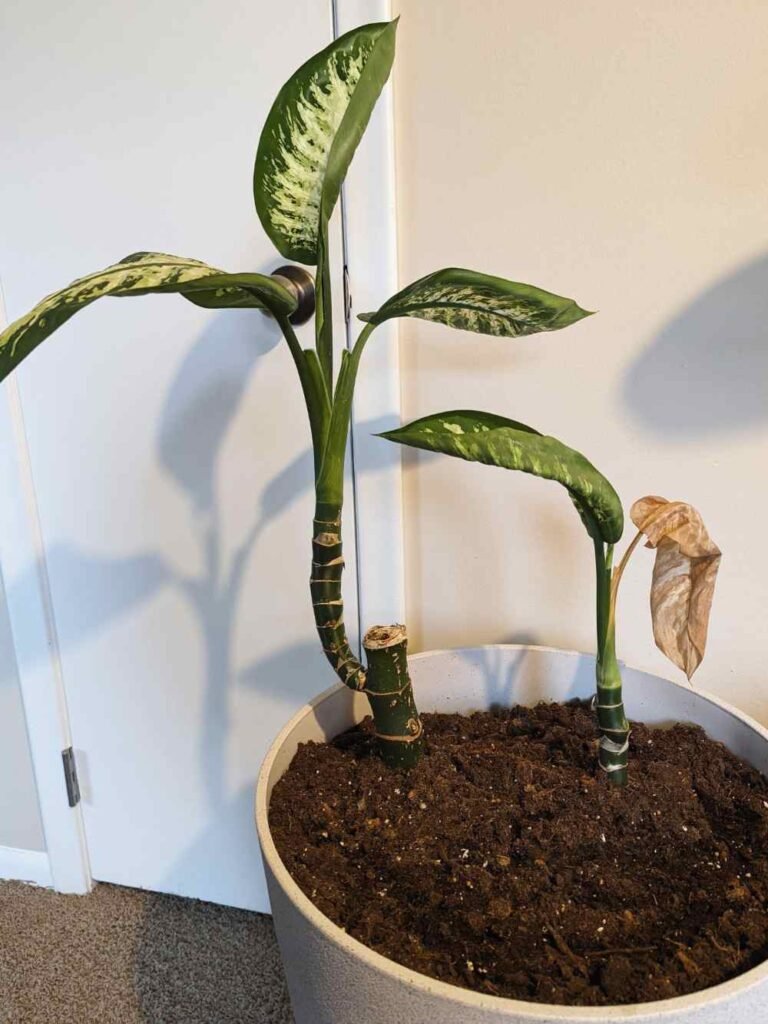
Pruning a dieffenbachia is a straightforward process once your tools are sanitized and protective gear is in place. Work slowly and examine the overall structure of the plant from several angles before making major cuts.
Follow these organized steps to prune your plant safely:
- Put on your nitrile gloves and sanitize your shears with rubbing alcohol.
- Inspect the plant and cut away all yellowing, brown, or diseased foliage at the base of the leaf petiole.
- Identify elongated or bare stems that you want to shorten.
- Locate a healthy leaf node or dormant bud eye along the cane.
- Make a clean, horizontal cut roughly one-quarter to one-half inch above the node.
- Dab excess sap from the cut cane with a clean paper towel.
- Place all severed leaves and stems directly into your disposal bag or save them for propagation.
Removing Dead and Yellowing Leaves
Begin every pruning session by clearing away the foliage that is no longer serving the plant. Leaves that have turned yellow, brown, or crispy drain energy that the plant could direct toward fresh growth.
Follow the leaf stalk down to the point where it wraps around the main cane, then slice it off cleanly.
Avoid tearing or pulling leaves away with your bare hands, as this can rip the delicate outer bark of the main stem.
Cutting Back Leggy Stems
To reduce the height of an overgrown cane, pinpoint the exact height where you want new growth to emerge. Look for the horizontal rings running along the stem, which mark the leaf nodes.
Position your shears slightly above one of these rings and make a smooth, confident slice.
Within two to four weeks, the dormant bud just beneath that ring will activate, producing fresh shoots that fill out the canopy.
The Best Time of Year to Prune
Timing plays an important role in how quickly your dieffenbachia recovers and pushes out new leaves. The ideal window for major pruning is during spring and early summer, when the plant enters its active growth phase.
Longer days and warmer temperatures provide the metabolic energy needed to heal cut surfaces and activate dormant buds quickly.
Minor maintenance, such as snipping off an individual dead leaf, can be performed at any point throughout the year without harming the plant.
How Often to Schedule Pruning
Most indoor dieffenbachias do not require frequent pruning. An annual maintenance session in the spring is typically plenty to manage size and maintain a balanced shape.
If your plant lives in a warm, brightly lit greenhouse or sunroom, it may grow aggressively enough to need a light trim every four to six months.
Never remove more than one-third of the total foliage mass in a single pruning session to avoid throwing the root system into shock.
Preventing Leggy Growth in Low Light
Leggy growth occurs when a plant stretches toward weak light, producing long, thin canes with wide gaps between leaf attachments. While dieffenbachia tolerates low light, prolonged darkness inevitably causes this sparse growth habit.
To keep your plant naturally compact, relocate it to a spot that receives medium to bright indirect sunlight.
East-facing windows or positions a few feet back from south-facing exposures provide ideal lighting without scorching the delicate variegated leaves.
What to Do When a Plant Is Already Too Tall
If your dumb cane has grown so tall that it hits the ceiling or bends sideways under its own weight, gentle trimming will not solve the issue. In this case, you need a more decisive rejuvenation technique known as topping.
Topping involves cutting back mature canes severely to reset the height and stimulate dense growth from the root crown.
While cutting back a tall plant can feel intimidating, dieffenbachias possess incredible regenerative abilities and bounce back quickly.
How to Top a Mature Dieffenbachia
To top a mature dieffenbachia, use clean shears to cut the main cane down so that only four to six inches of stem remain above the soil line. Ensure there is at least one visible node on the remaining stump.
The established root system will quickly push sap to the remaining nodes, stimulating multiple fresh sprouts within a month.
Keep the soil slightly on the drier side after topping, because a plant with no foliage consumes much less water until new leaves unfurl.
Propagating Stem Cuttings in Soil
The healthy canes you remove during pruning do not need to go into the compost. Dieffenbachia is exceptionally easy to propagate through stem cuttings, allowing you to create brand new plants for your home.
Here is how to propagate your stem trimmings directly into potting mix:
- Cut the healthy cane into four- to six-inch segments, making sure each piece contains at least one node.
- Allow the cut ends to dry and callous over on a clean paper towel for twenty-four hours.
- Dip the bottom end of the cutting into powdered rooting hormone to accelerate root development.
- Plant the cutting upright into a small pot filled with moist, well-draining soil containing peat and perlite.
- Place the pot in warm, bright indirect light and maintain light soil moisture until new leaves emerge.
Rooting Dieffenbachia in Water
Water propagation is another fun, visual way to root your dieffenbachia cuttings. You can place top leafy cuttings or bare cane segments directly into a jar of clean room-temperature water.
Keep the jar in a warm room with bright, filtered sunlight, making sure direct sun rays do not overheat the water.
Change the water every five to seven days to replenish oxygen levels and prevent bacterial slime from developing.
Once roots reach two inches in length, pot the cutting into standard houseplant soil and water it thoroughly.
Aftercare Tips for Quick Recovery
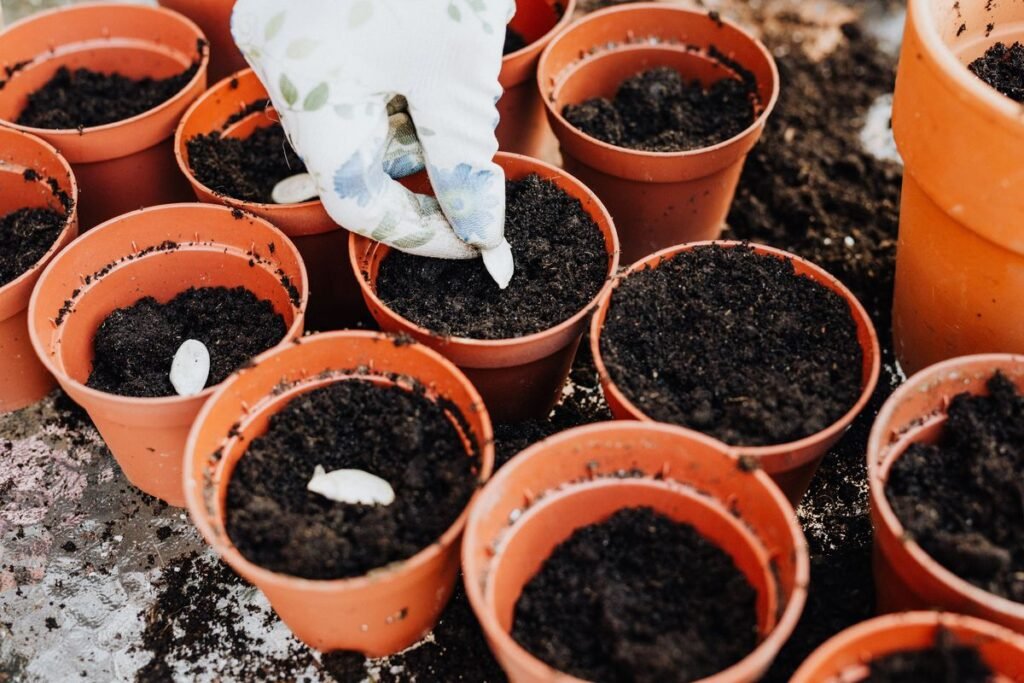
Proper aftercare ensures that your dieffenbachia recovers quickly from pruning and resumes vigorous growth. Place the freshly pruned plant in a warm area with stable temperatures between sixty-five and eighty degrees Fahrenheit.
Hold off on applying fertilizer for four to six weeks following a major pruning session to avoid burning sensitive new roots.
Water only when the top two inches of potting mix feel completely dry to the touch, as trimmed plants lose less moisture through transpiration.
Does Your Dieffenbachia Need Pruning?
Answer 4 quick questions to see your result